1 / 3
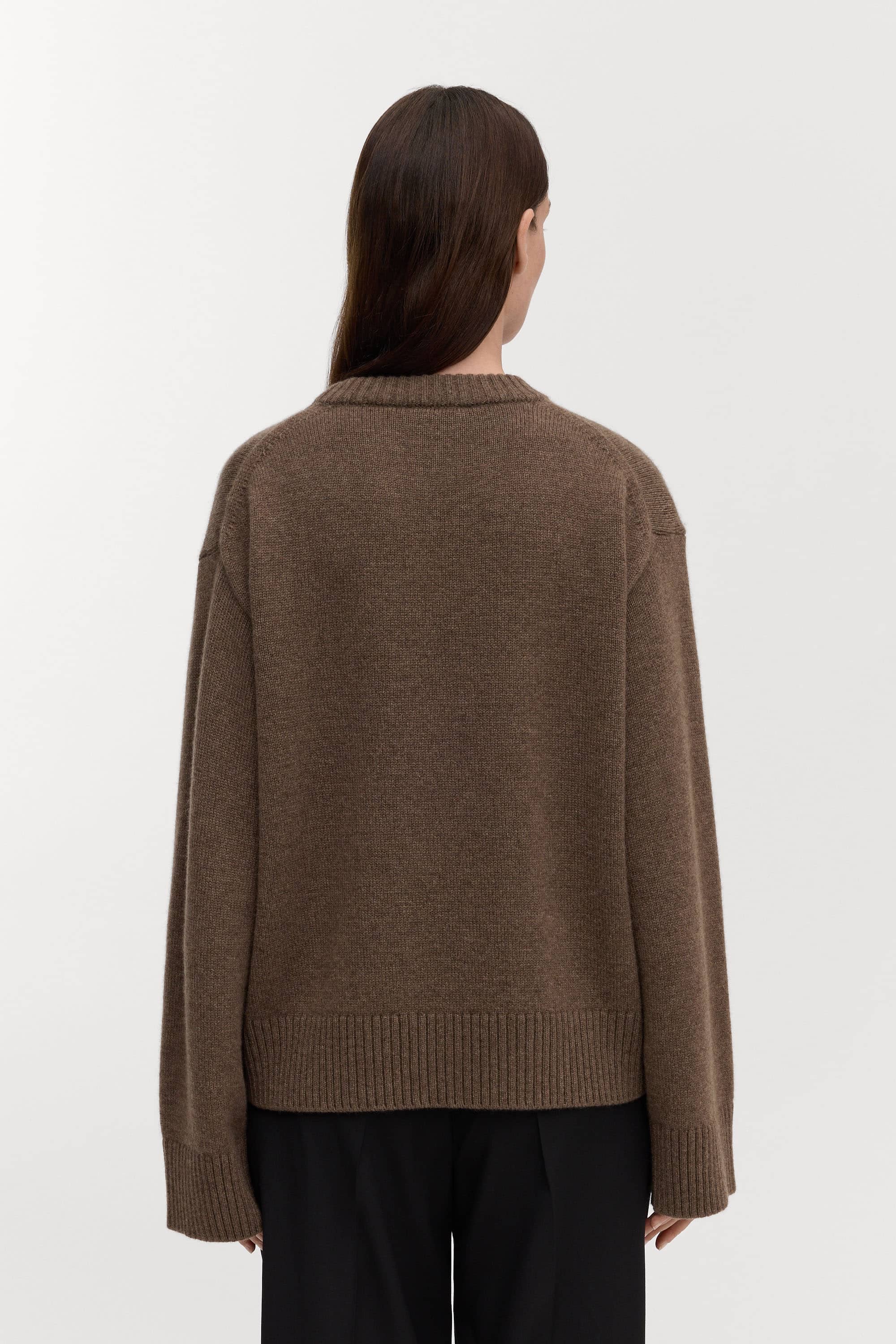
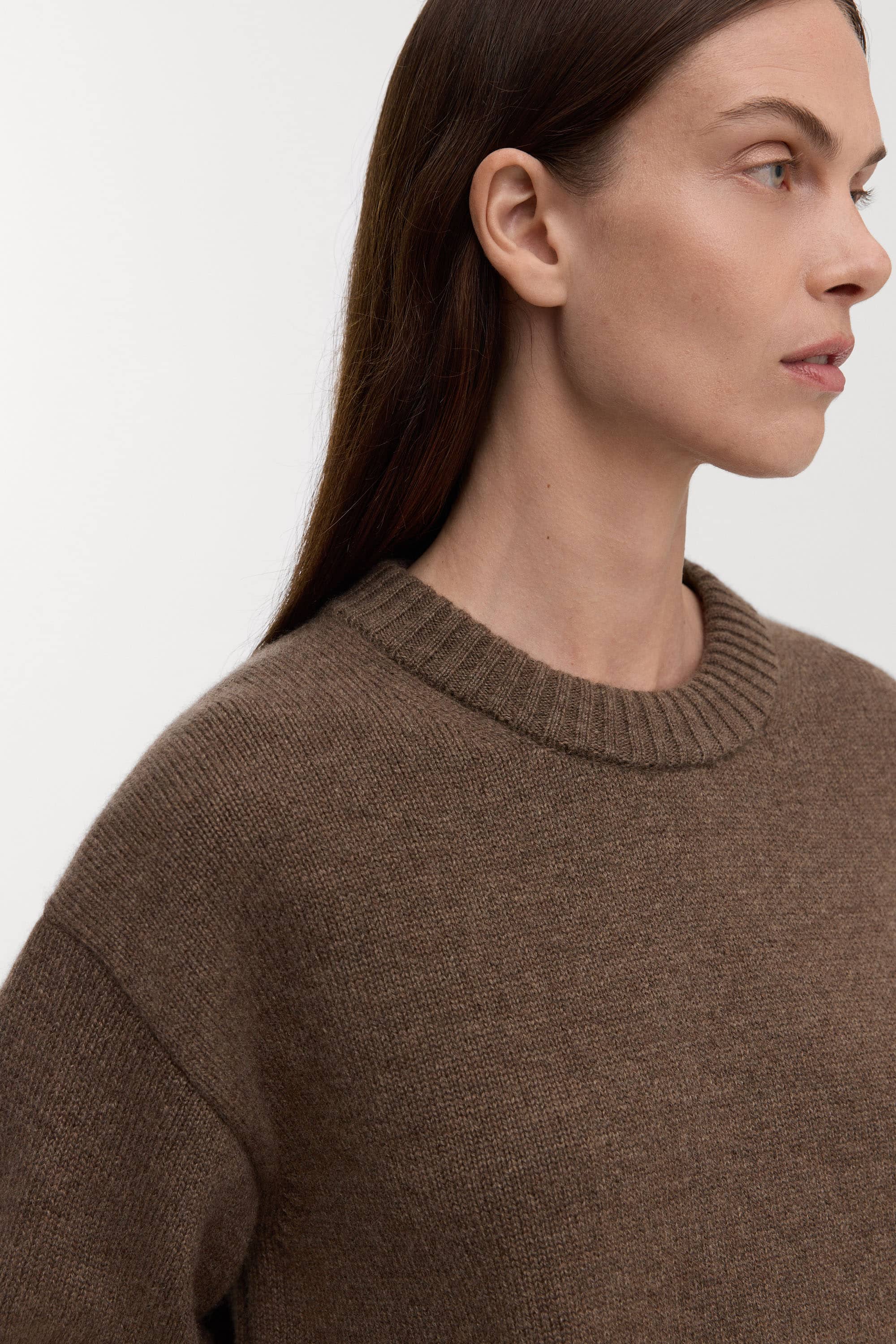
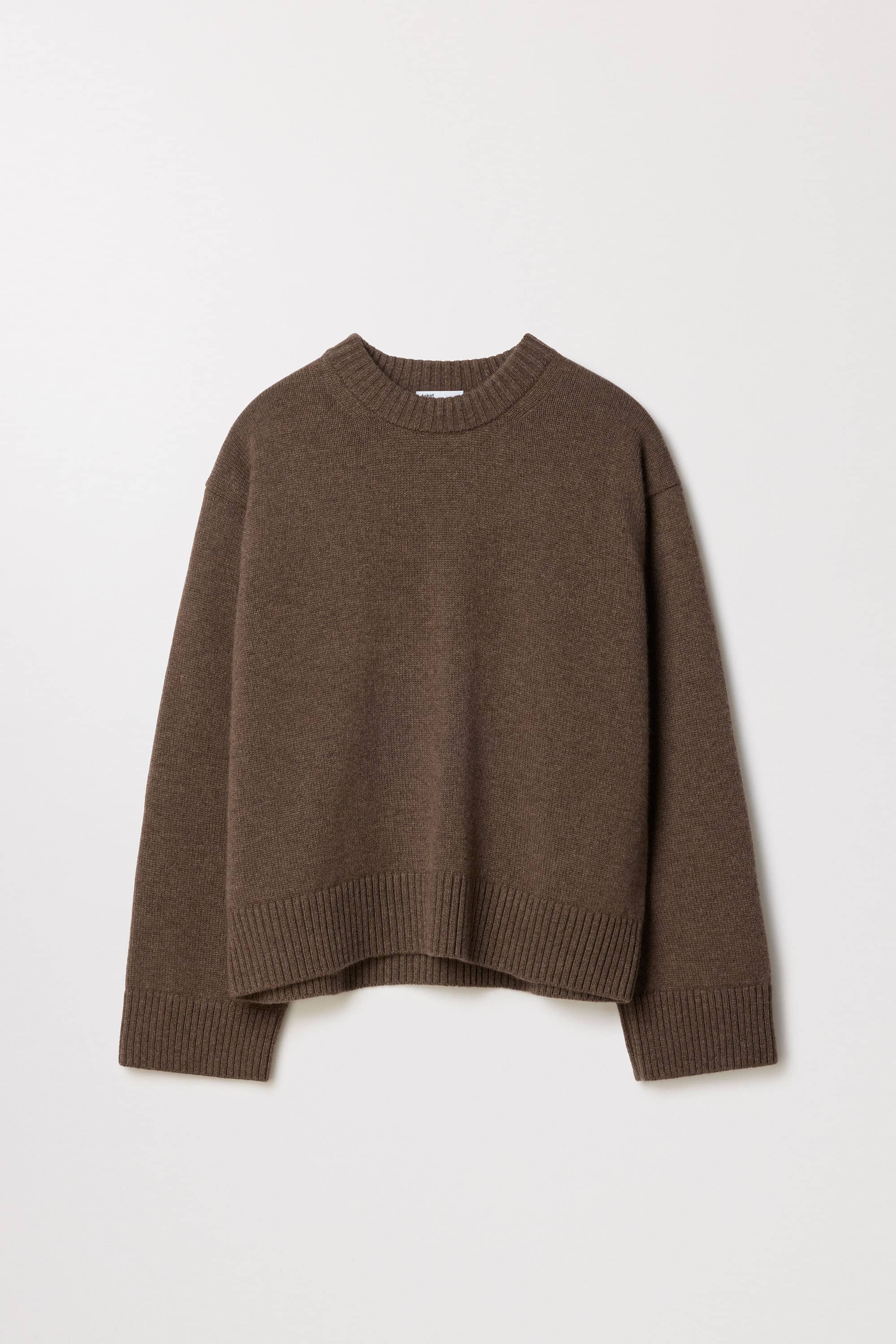
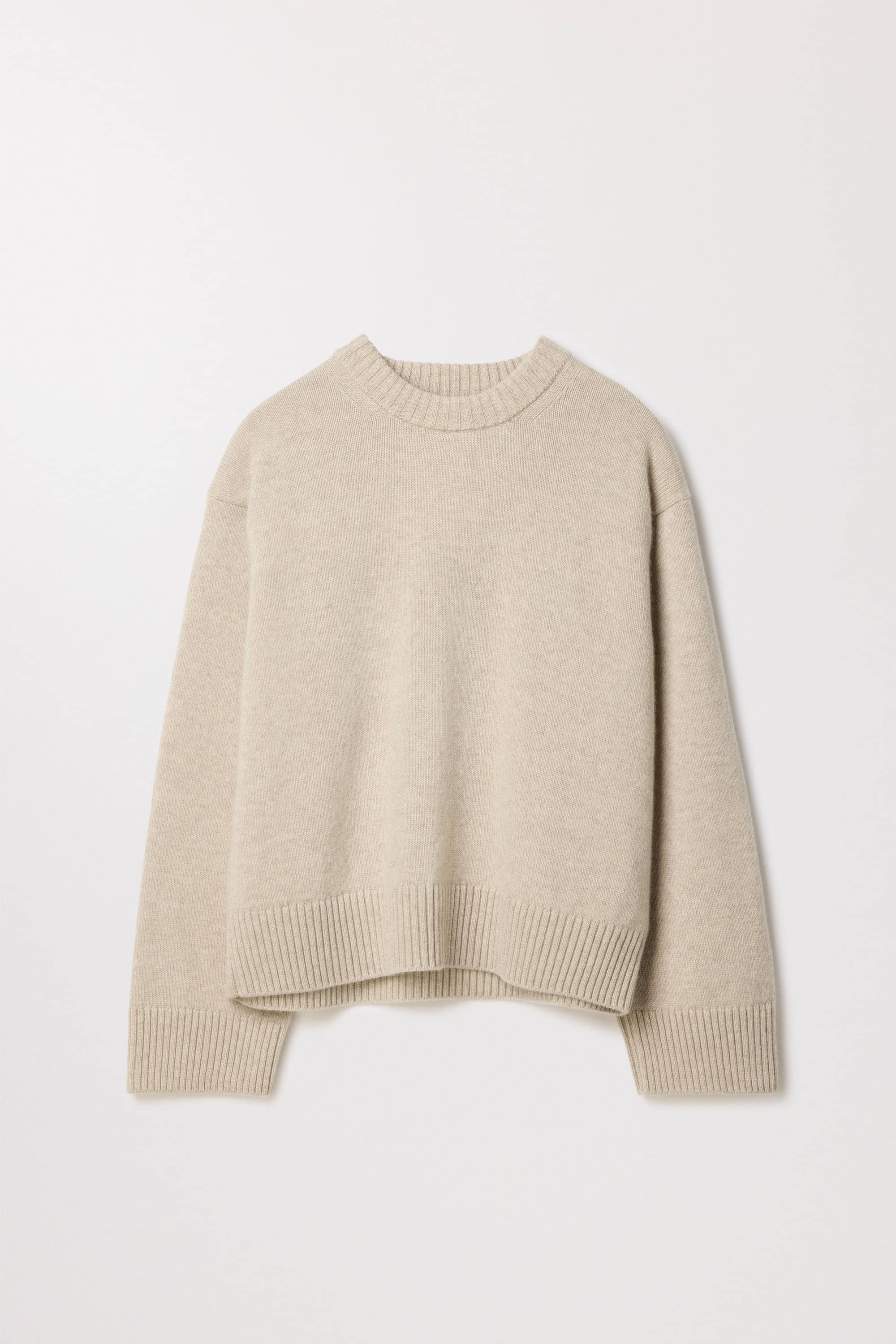
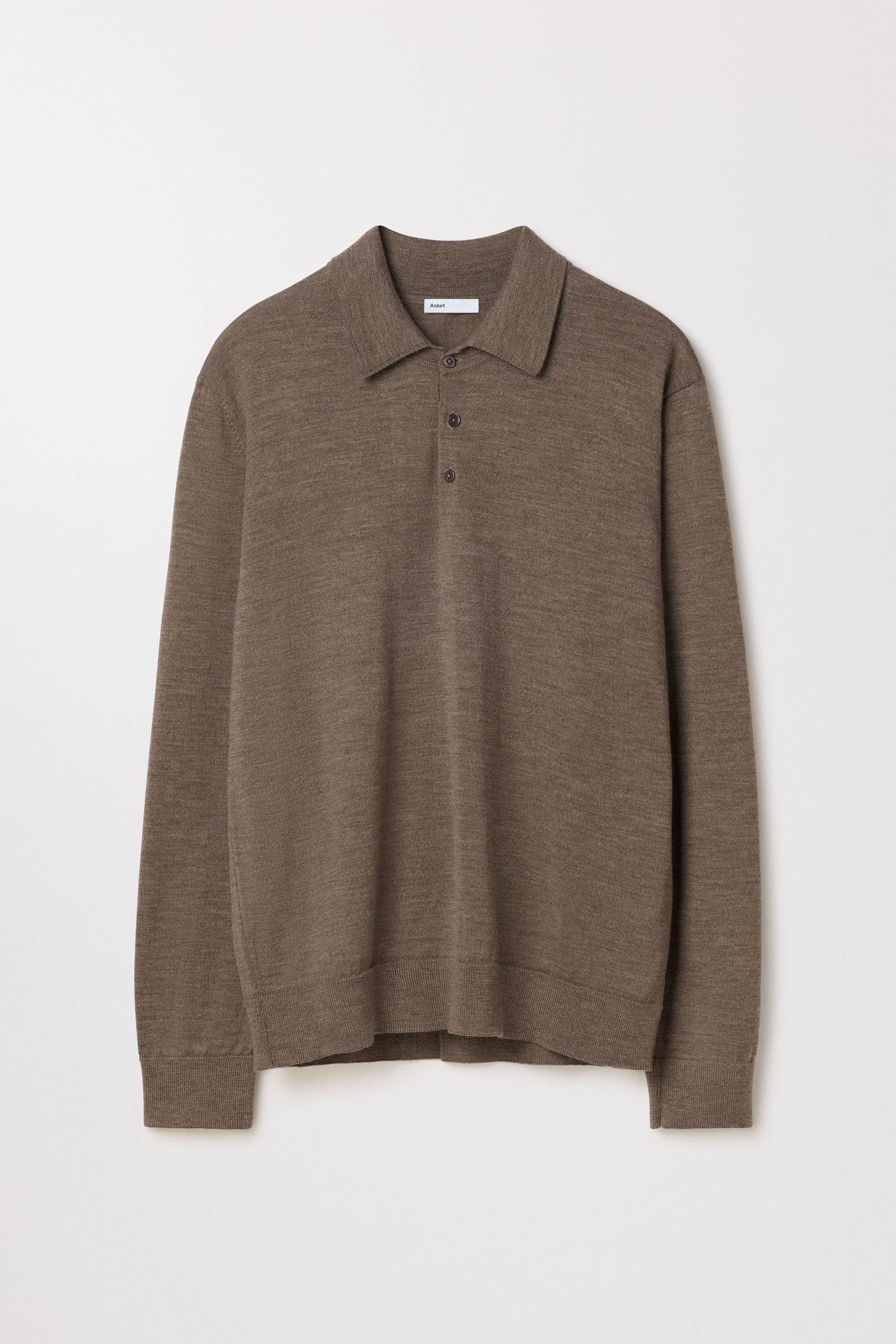
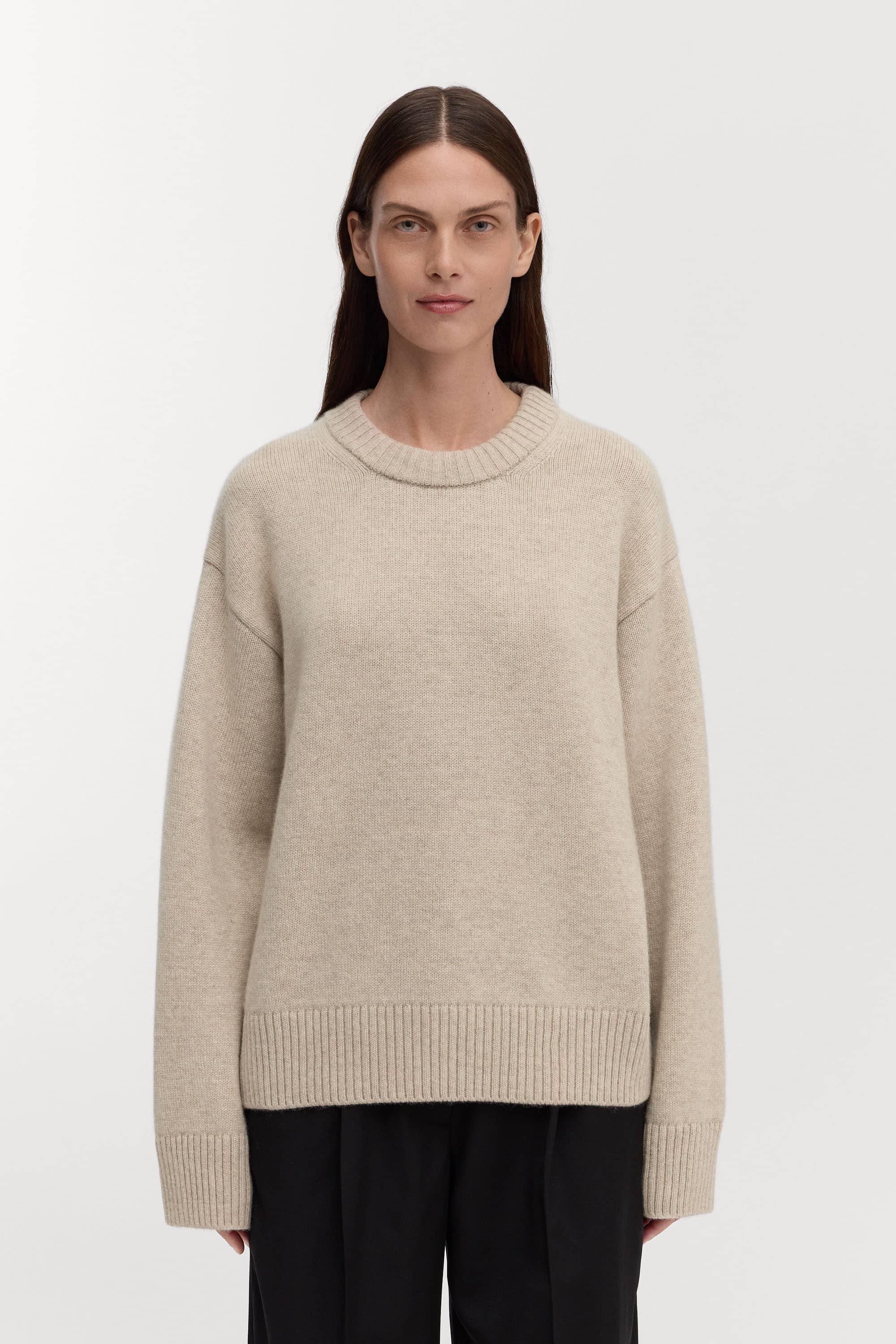
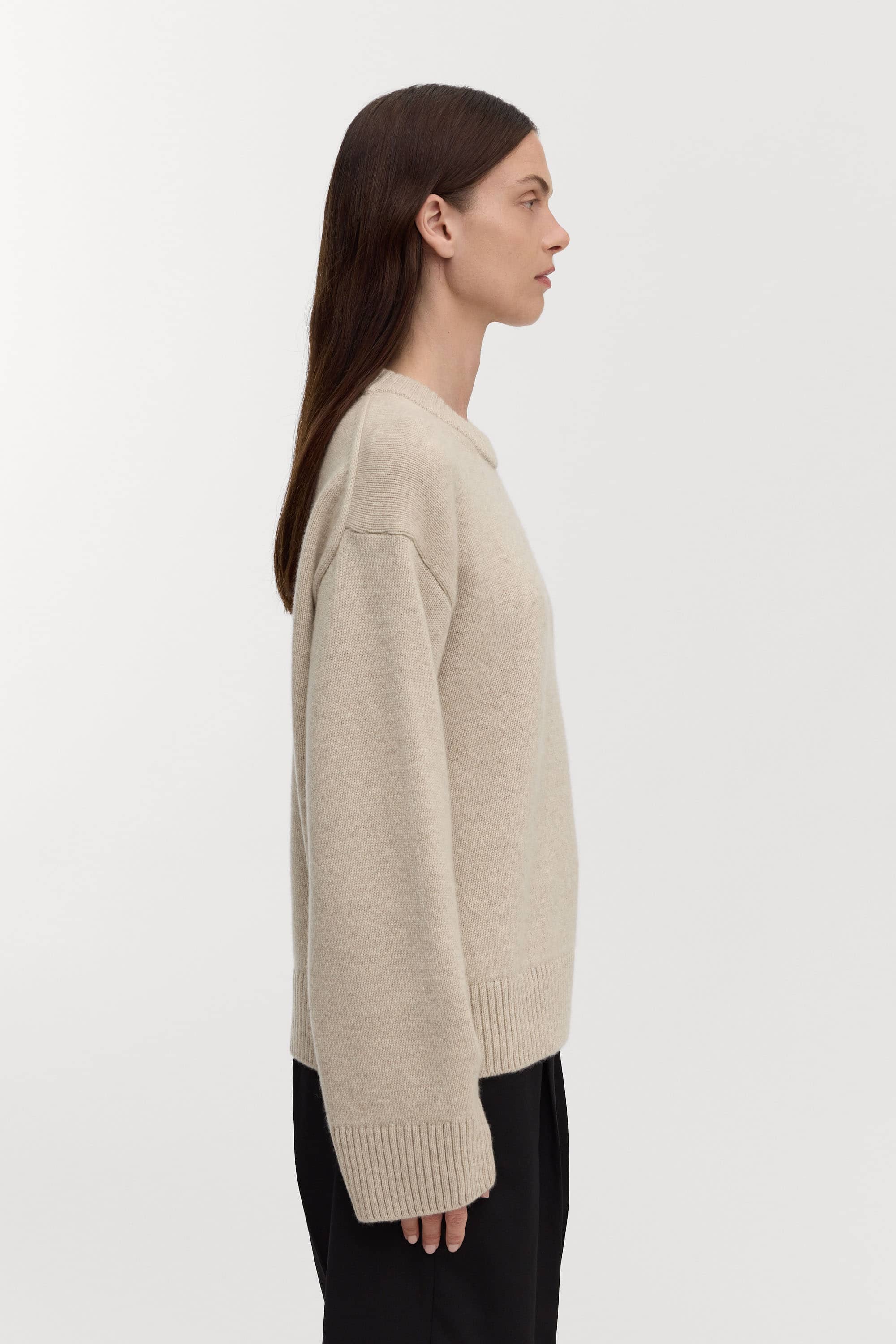
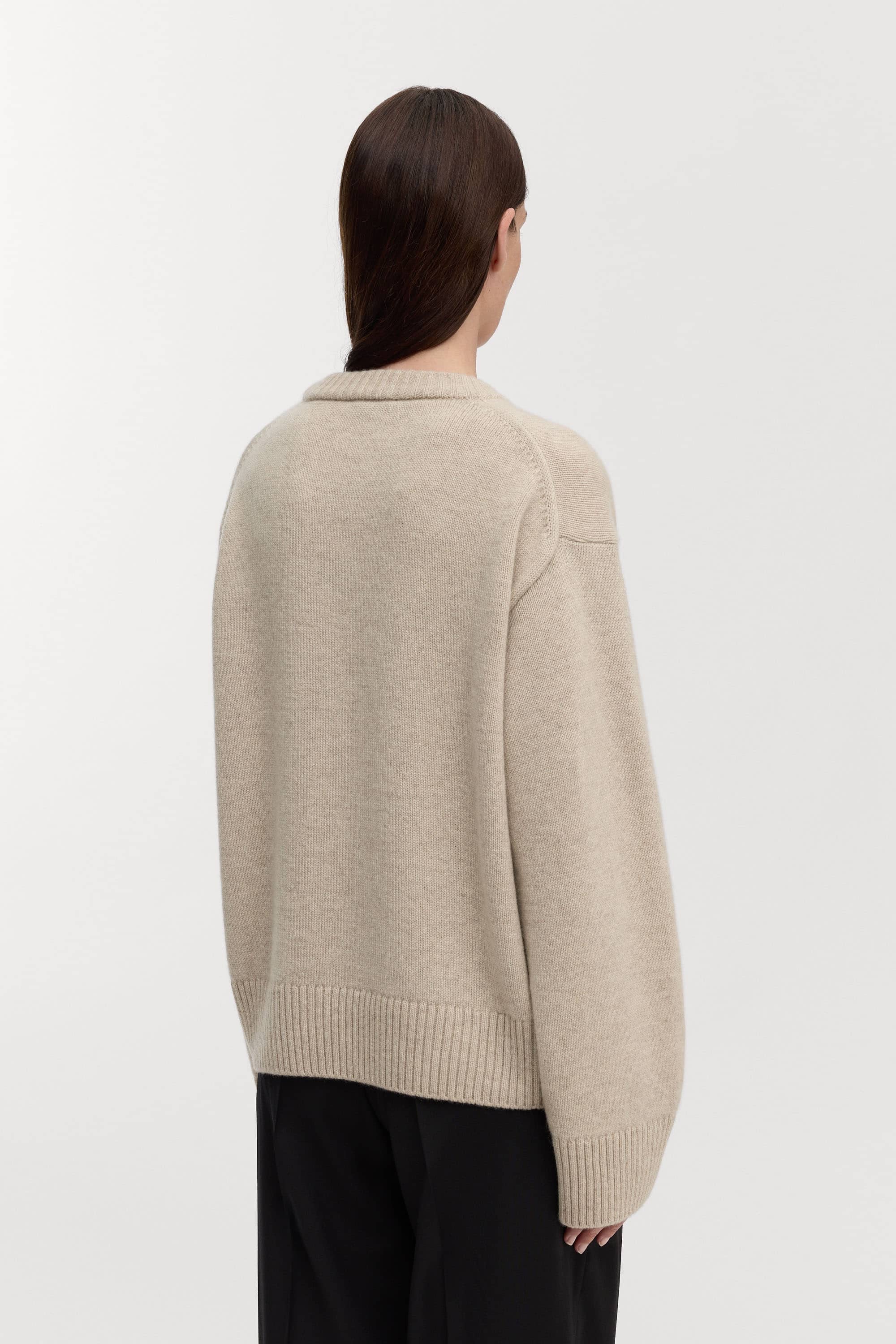
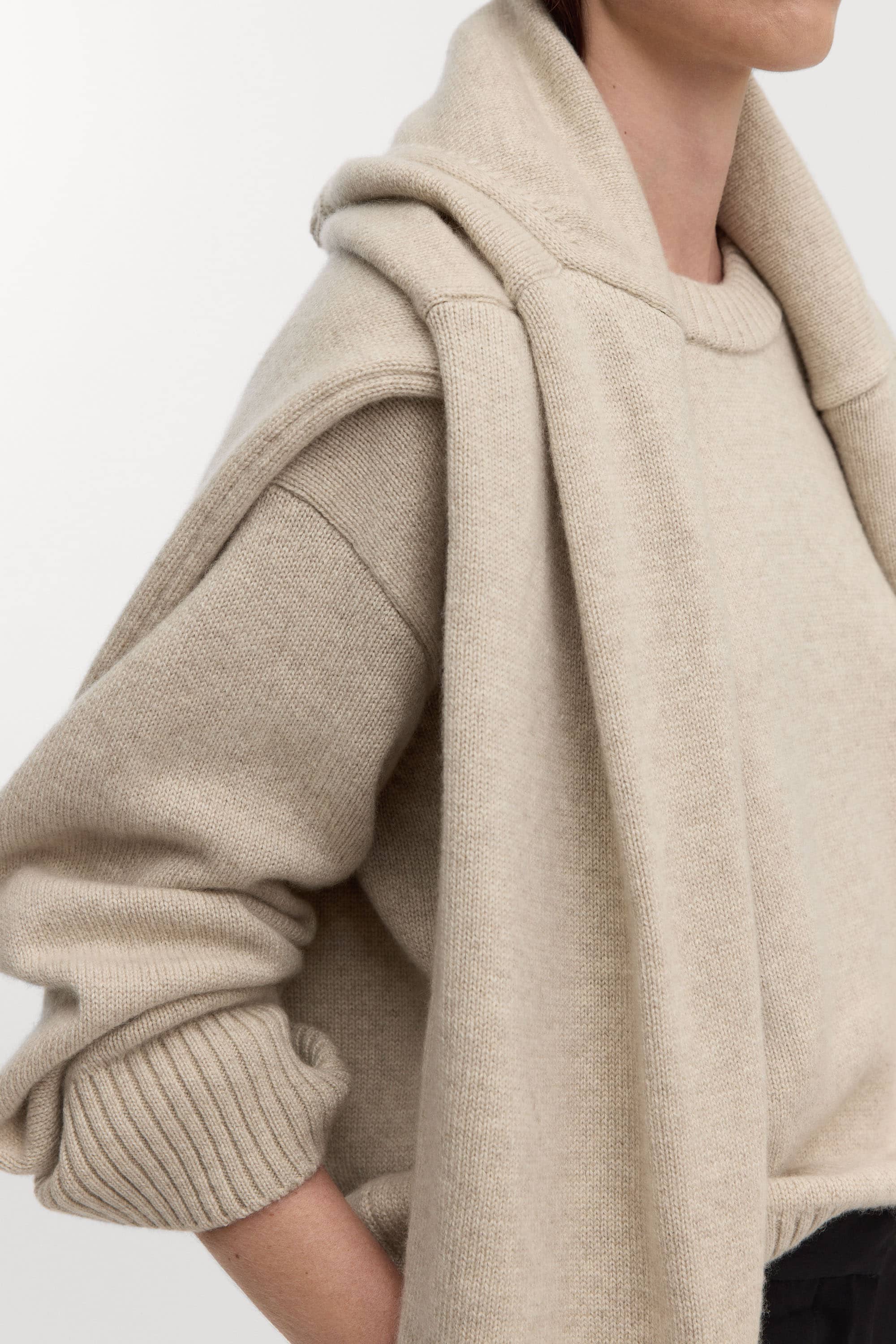
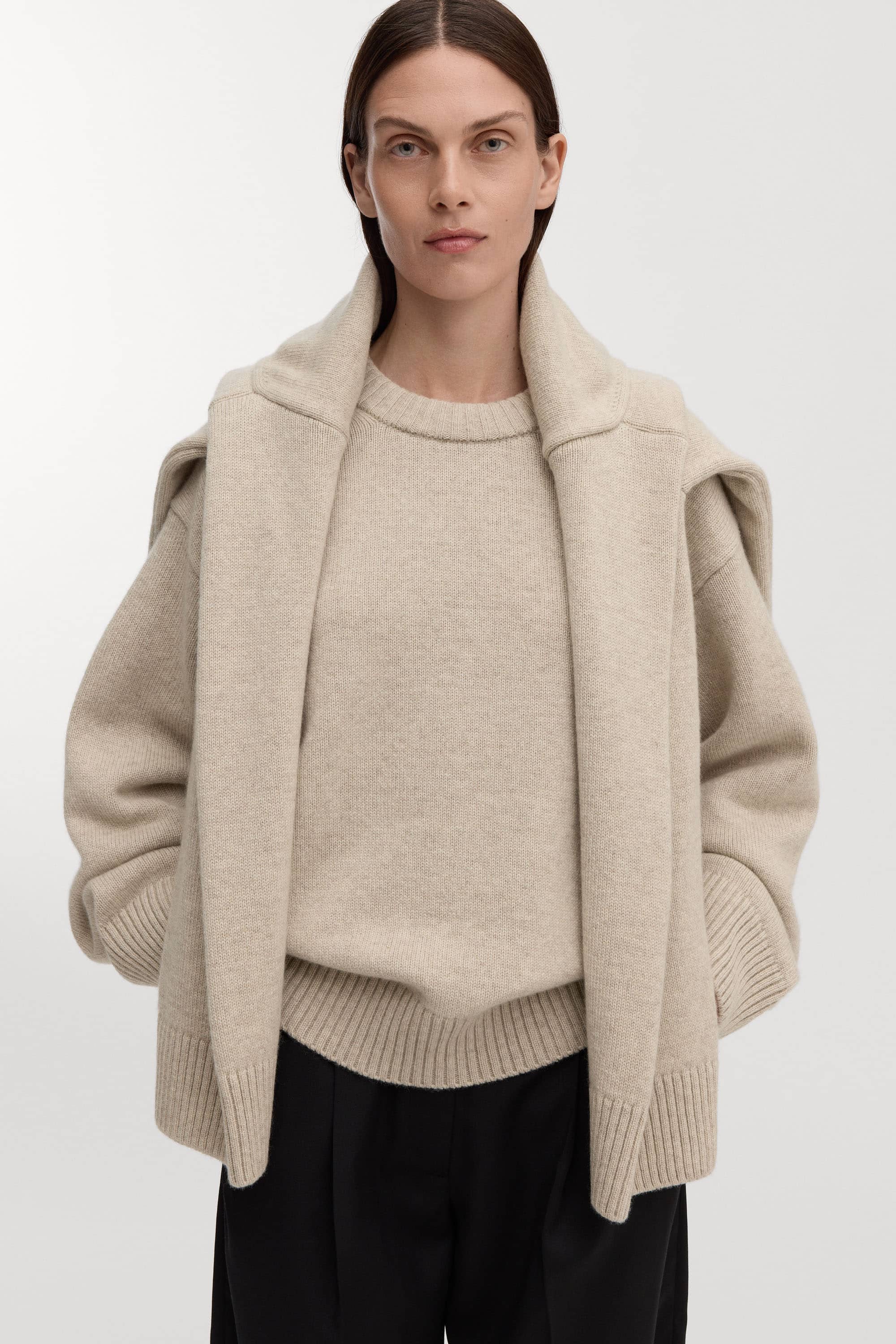
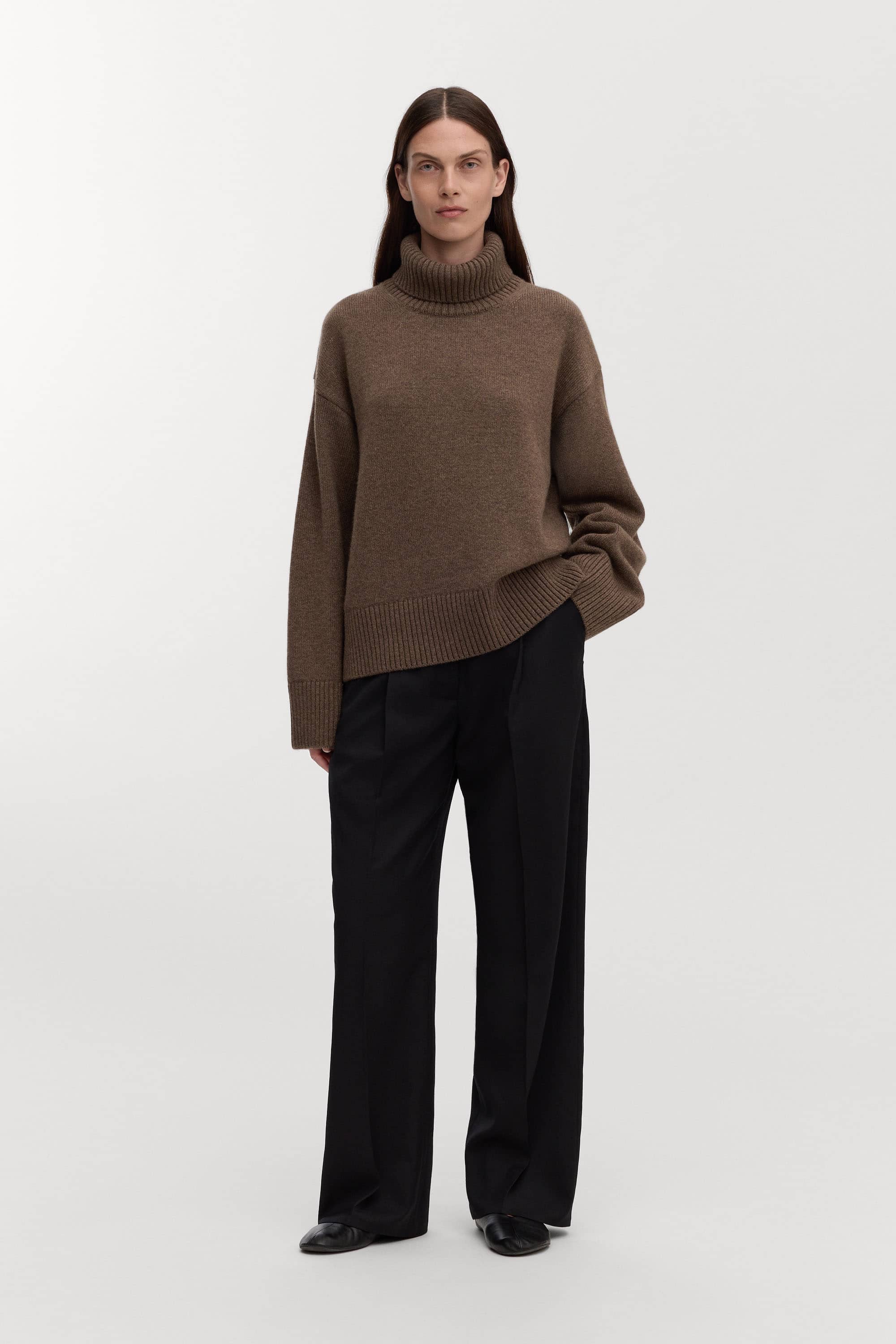
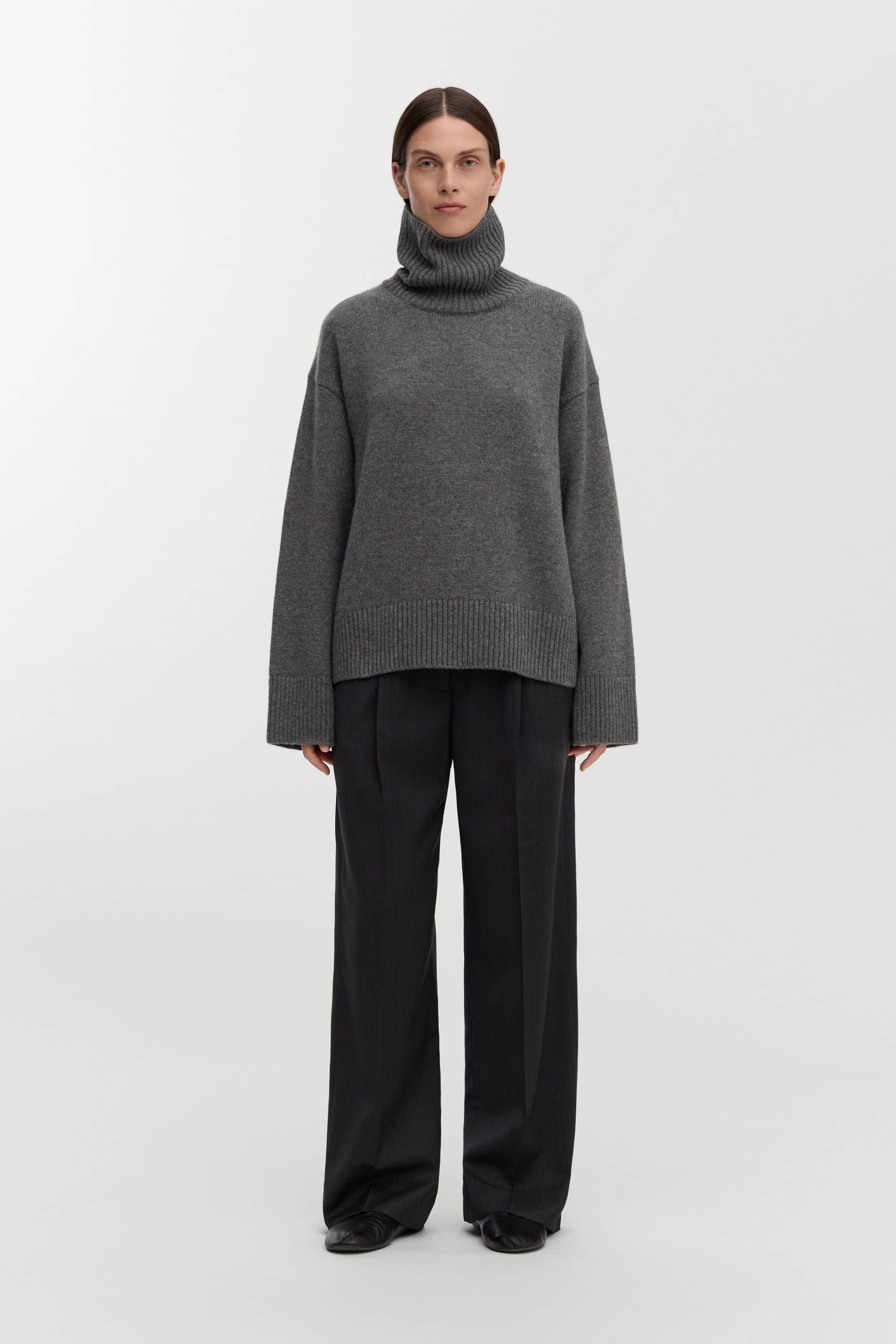
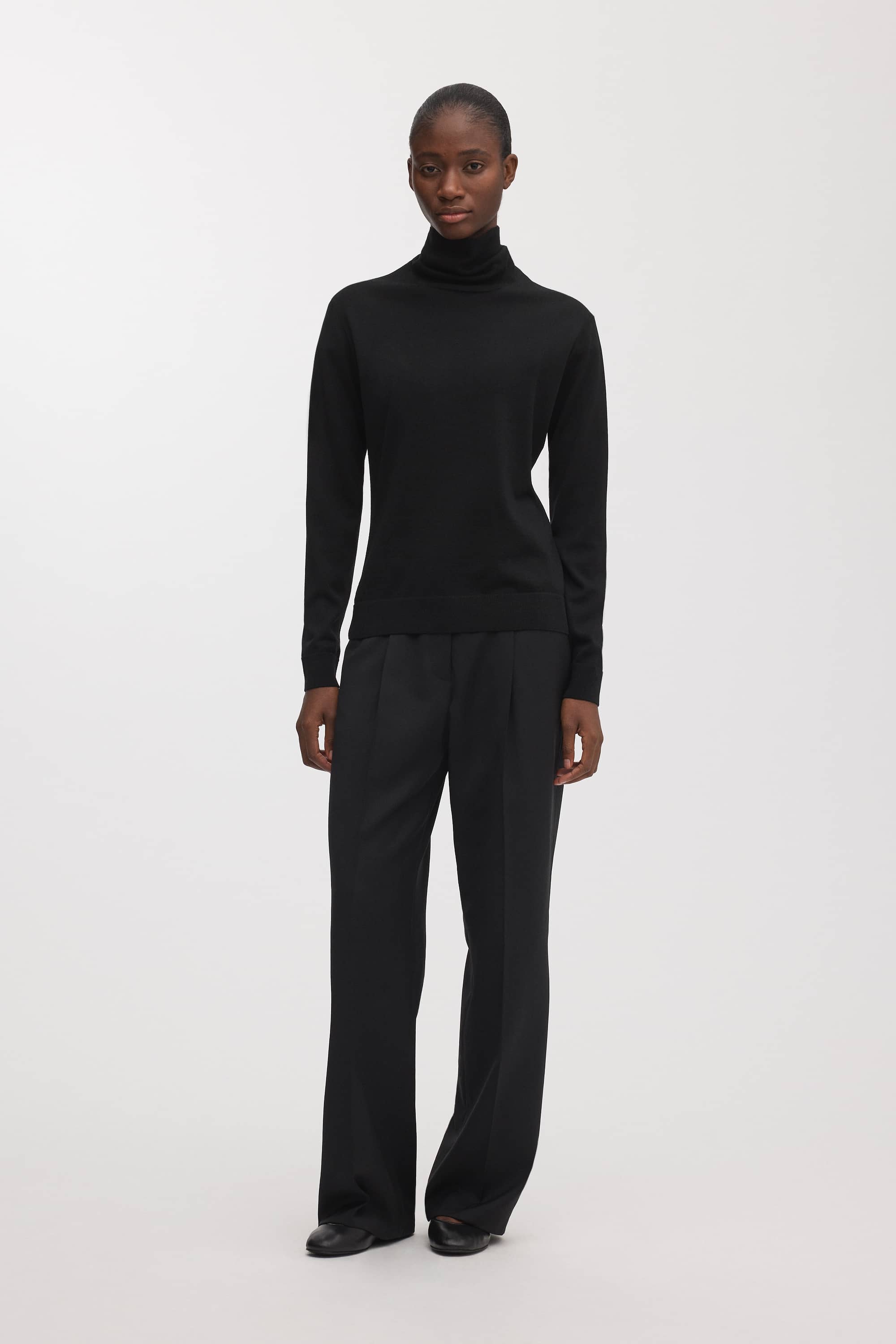
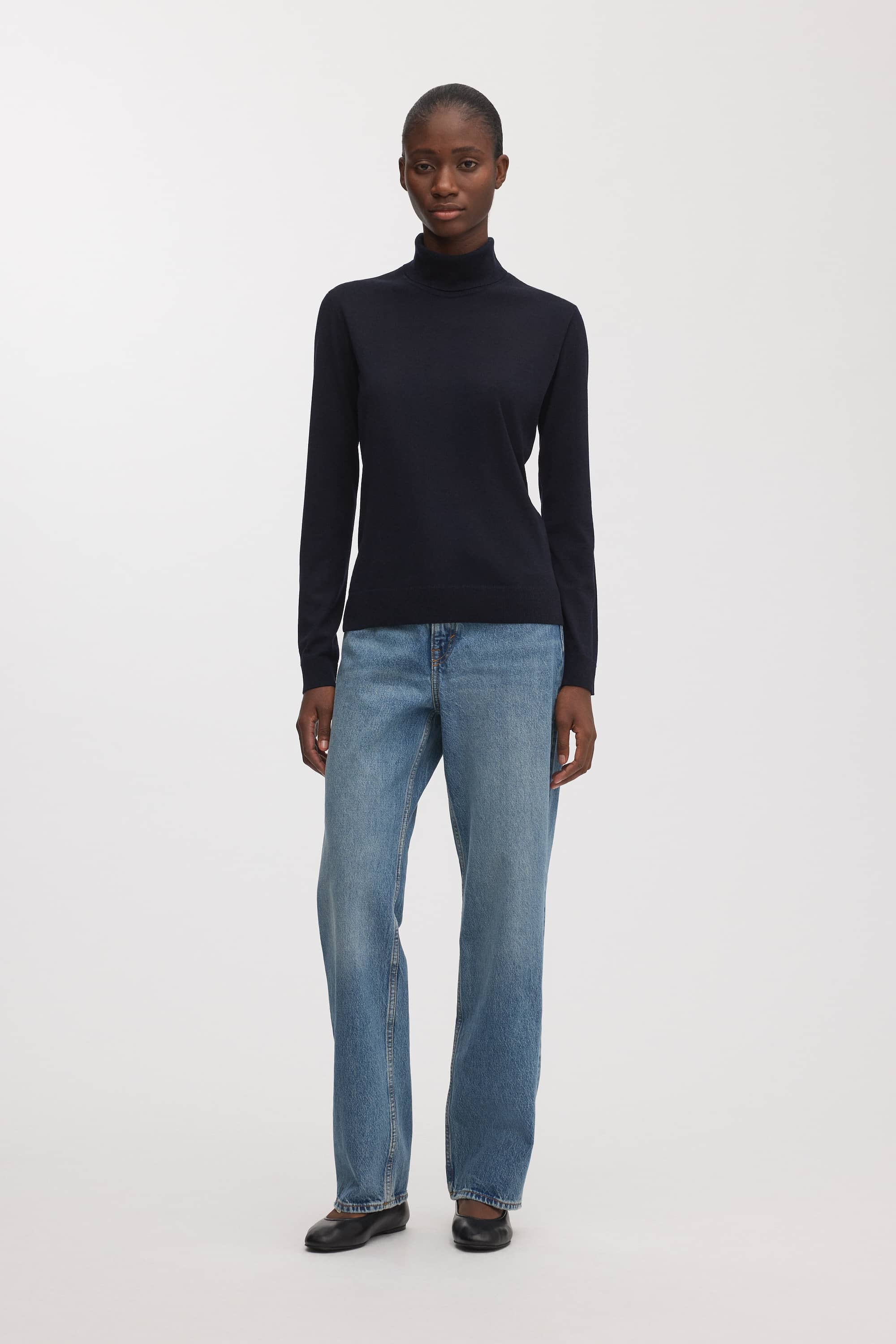
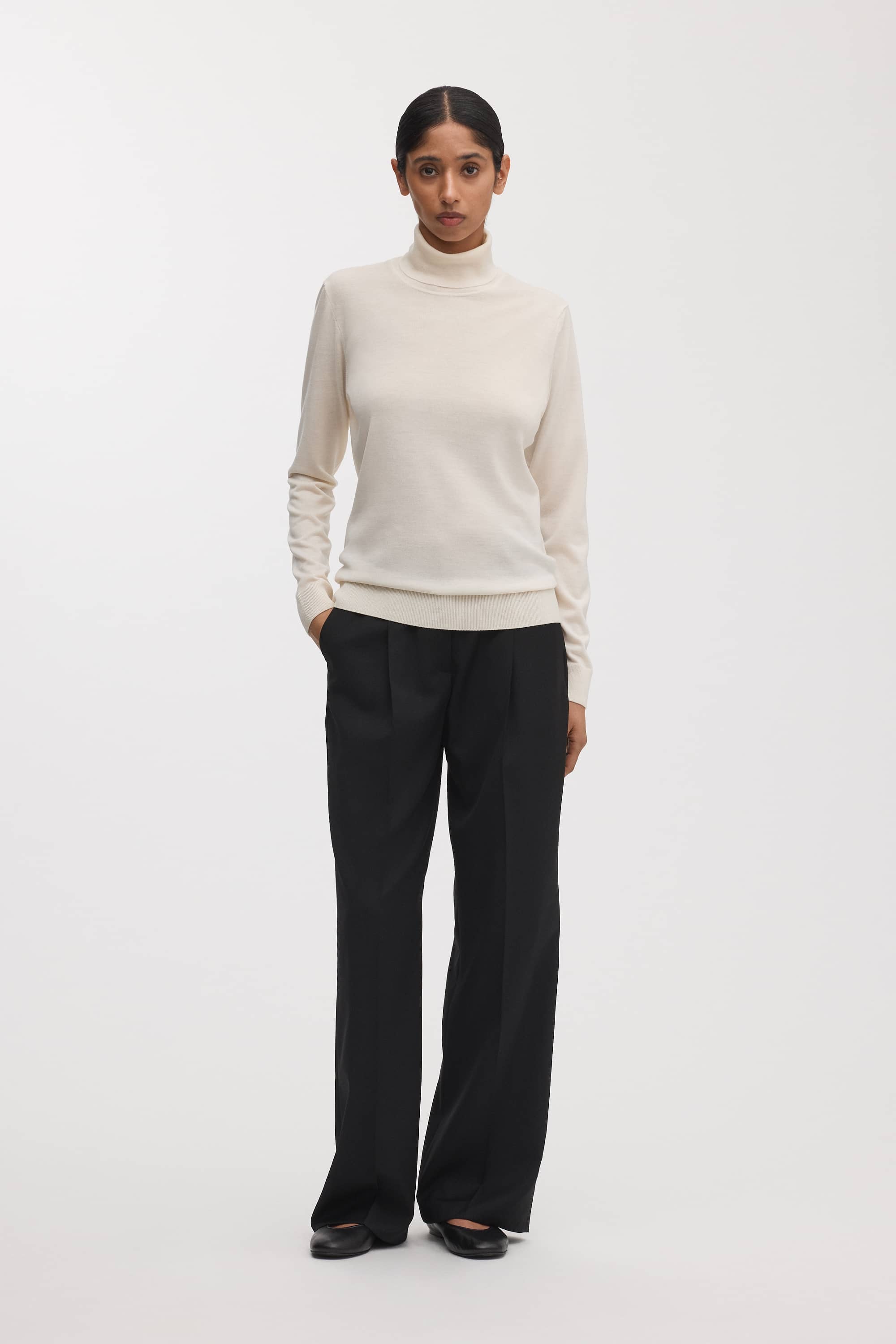
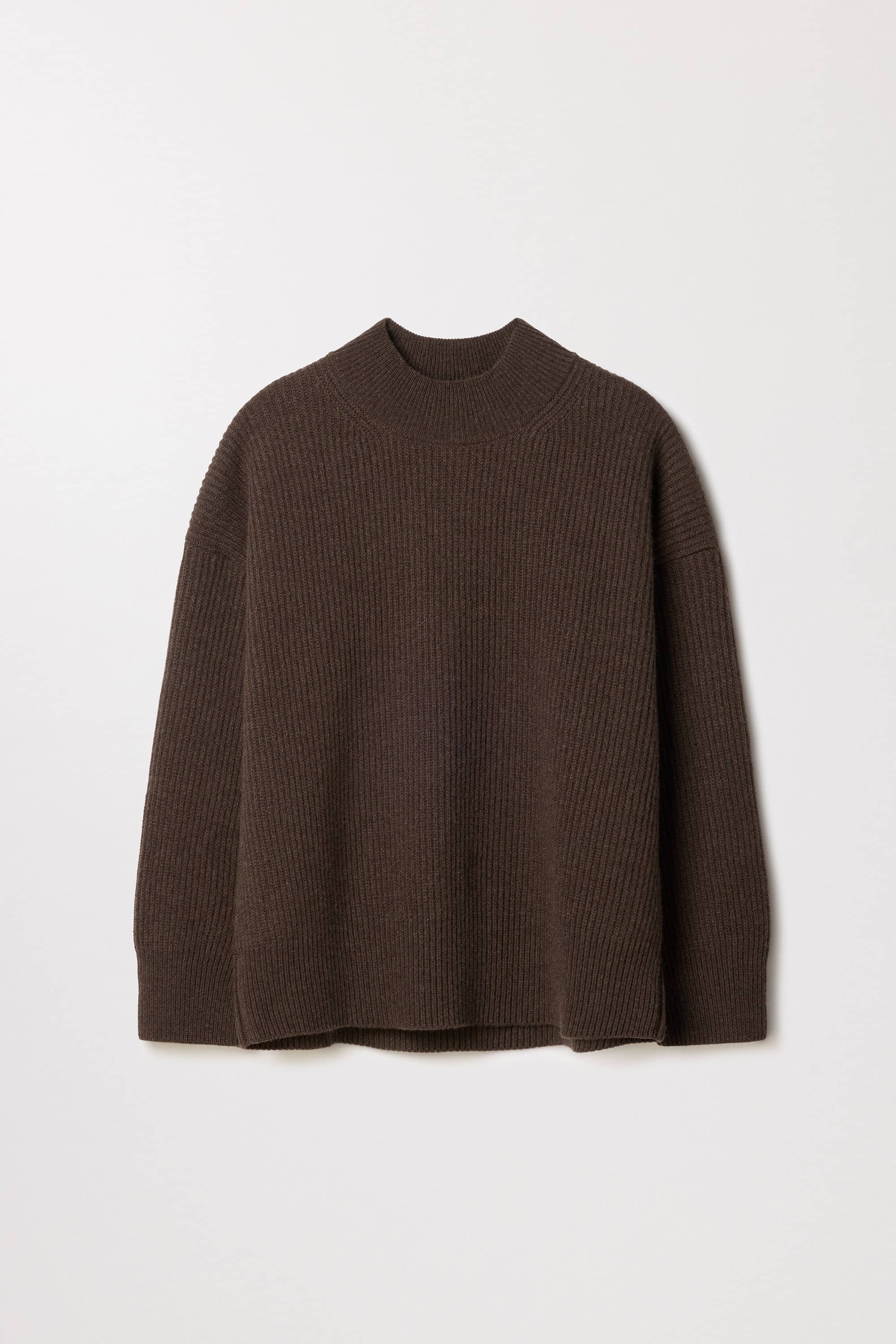
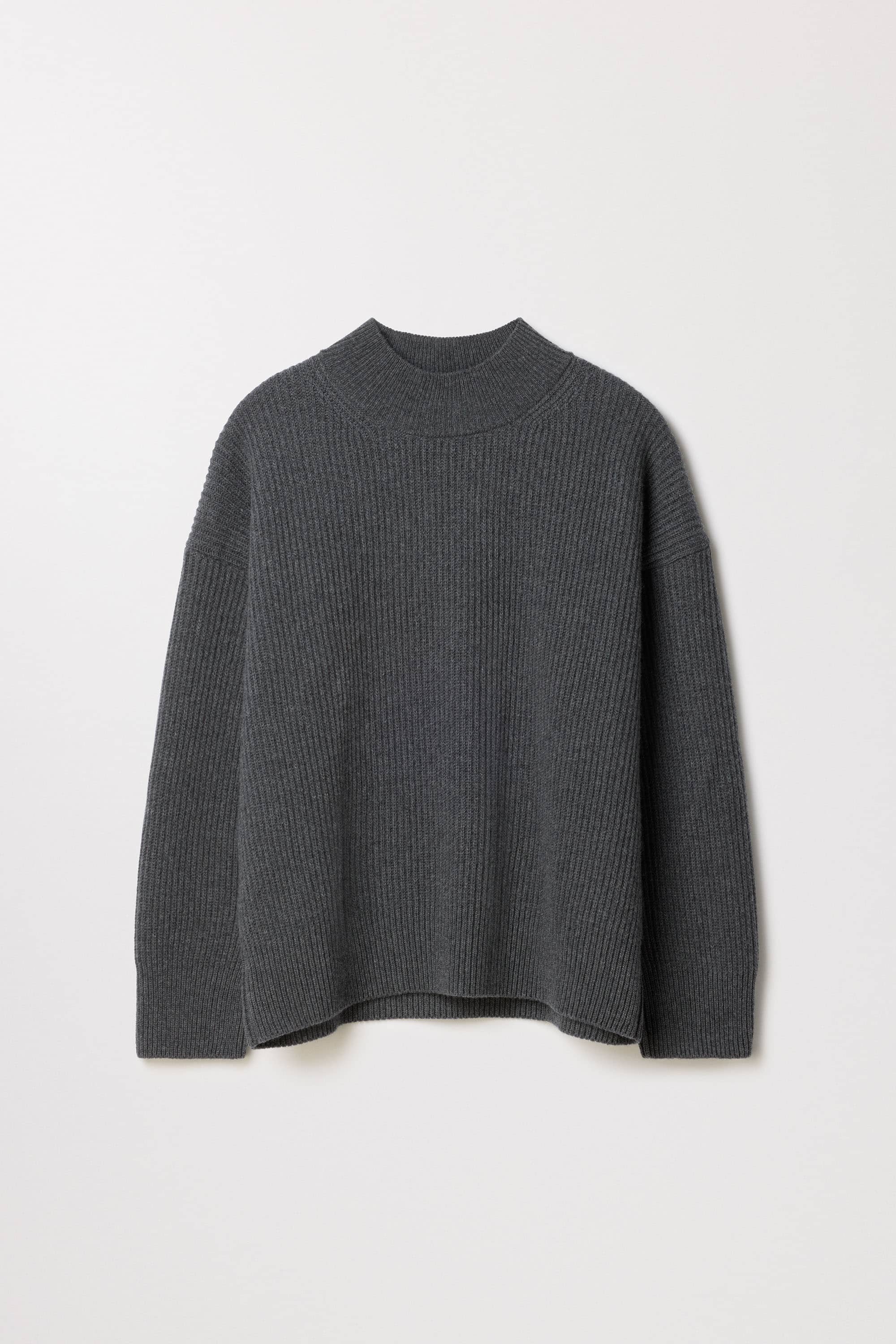
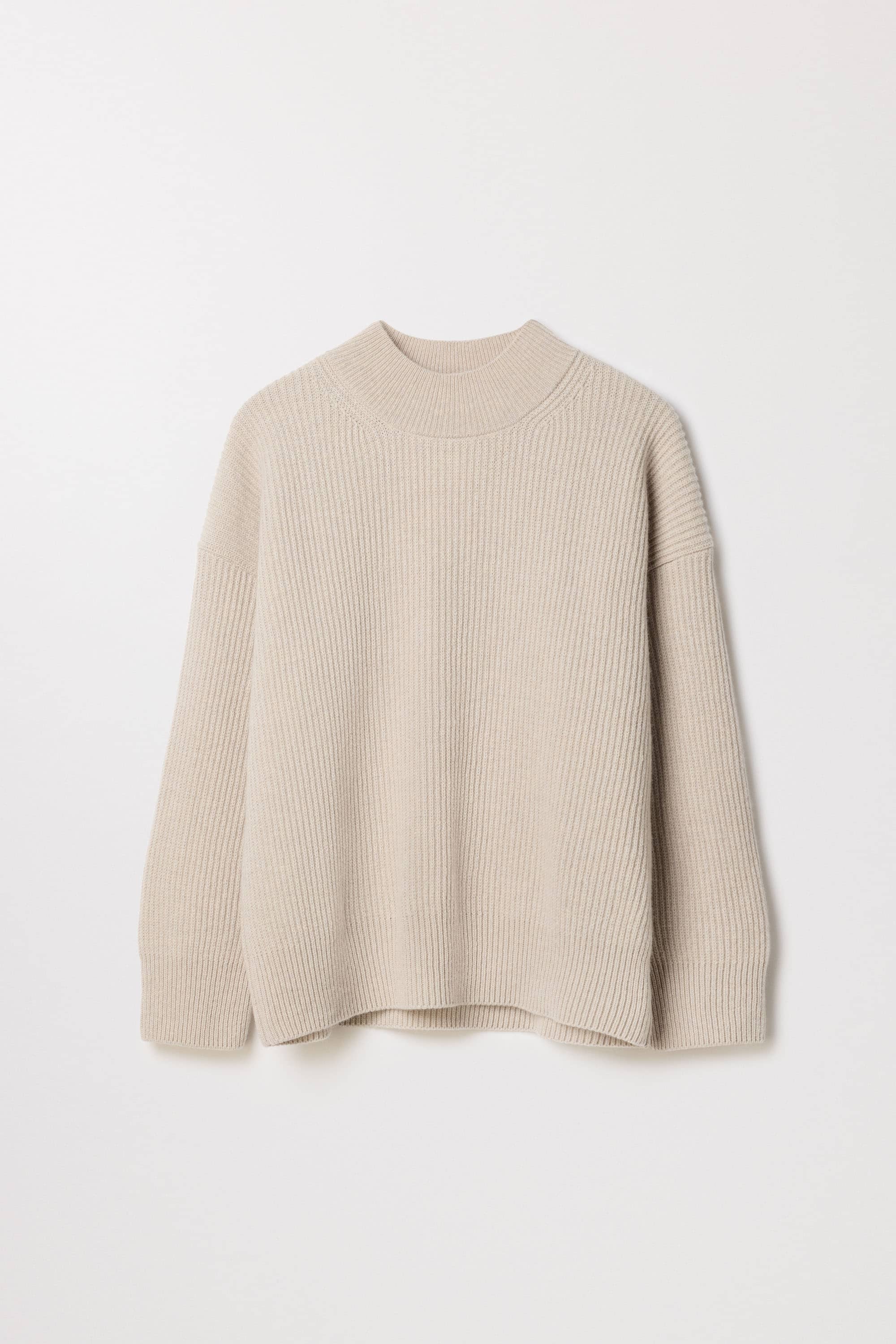
The Cashmere Roll Neck
Size & Fit
Our size size range spans from XXS to XXL, enabling a wide diversity of preferences and body types.
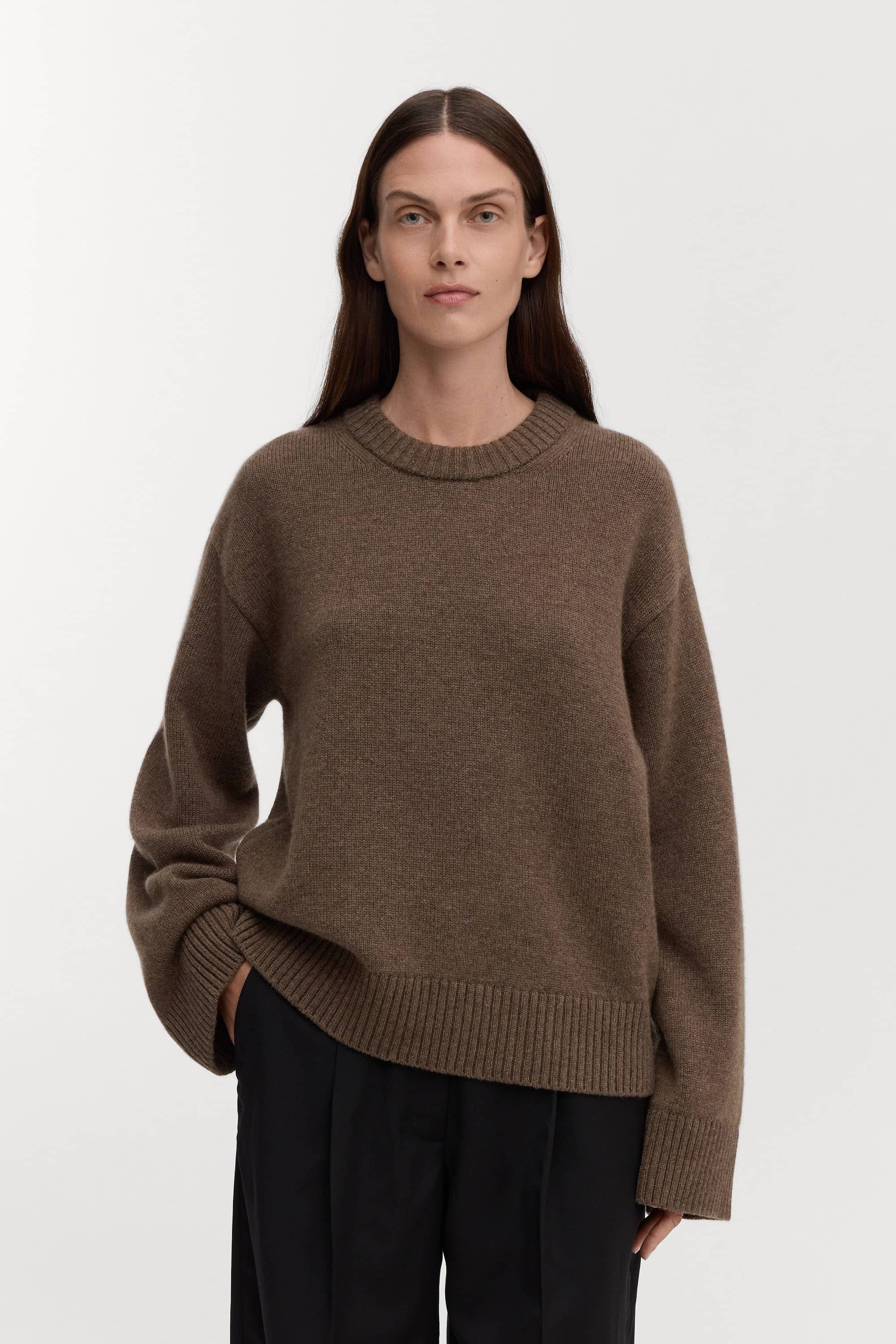
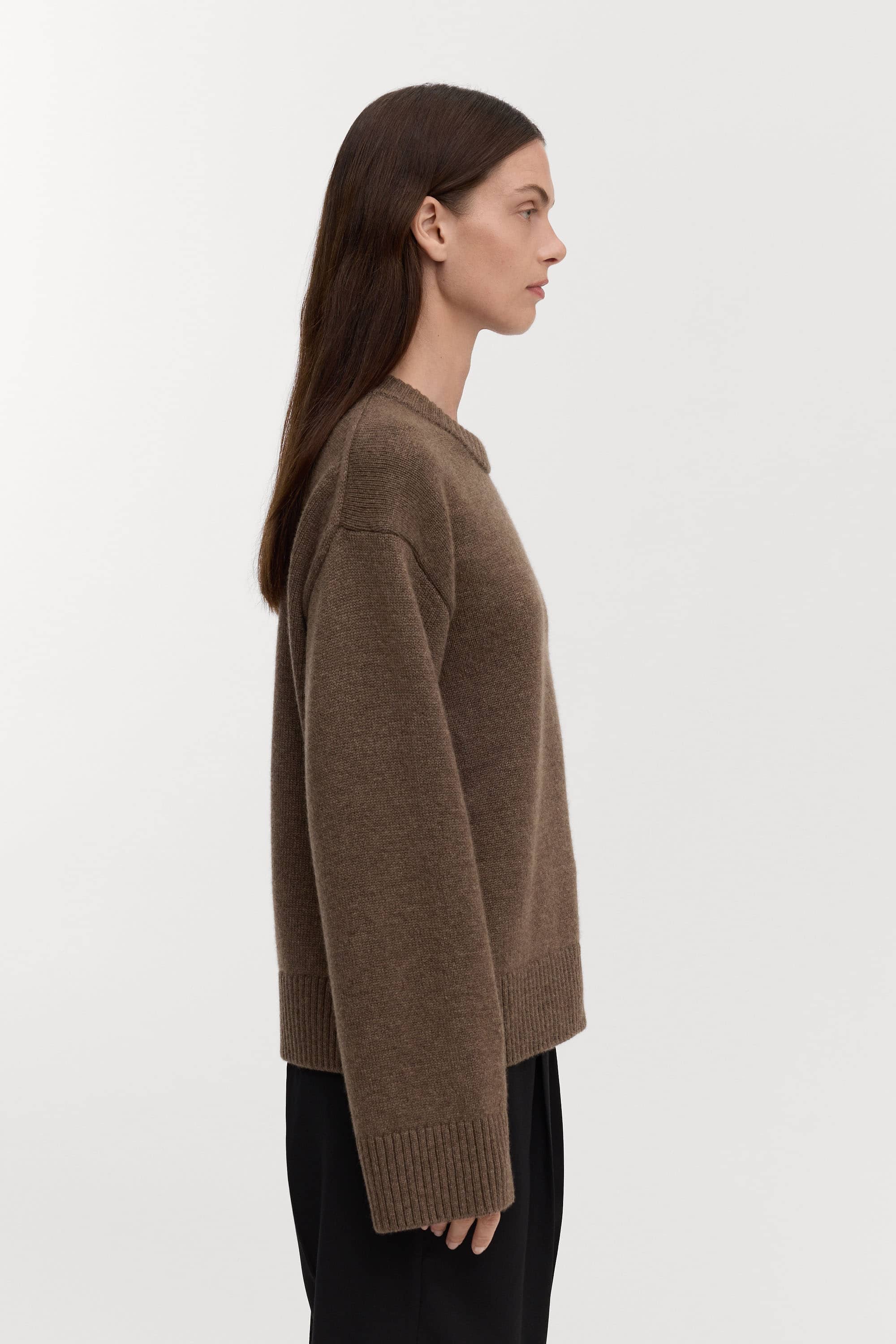
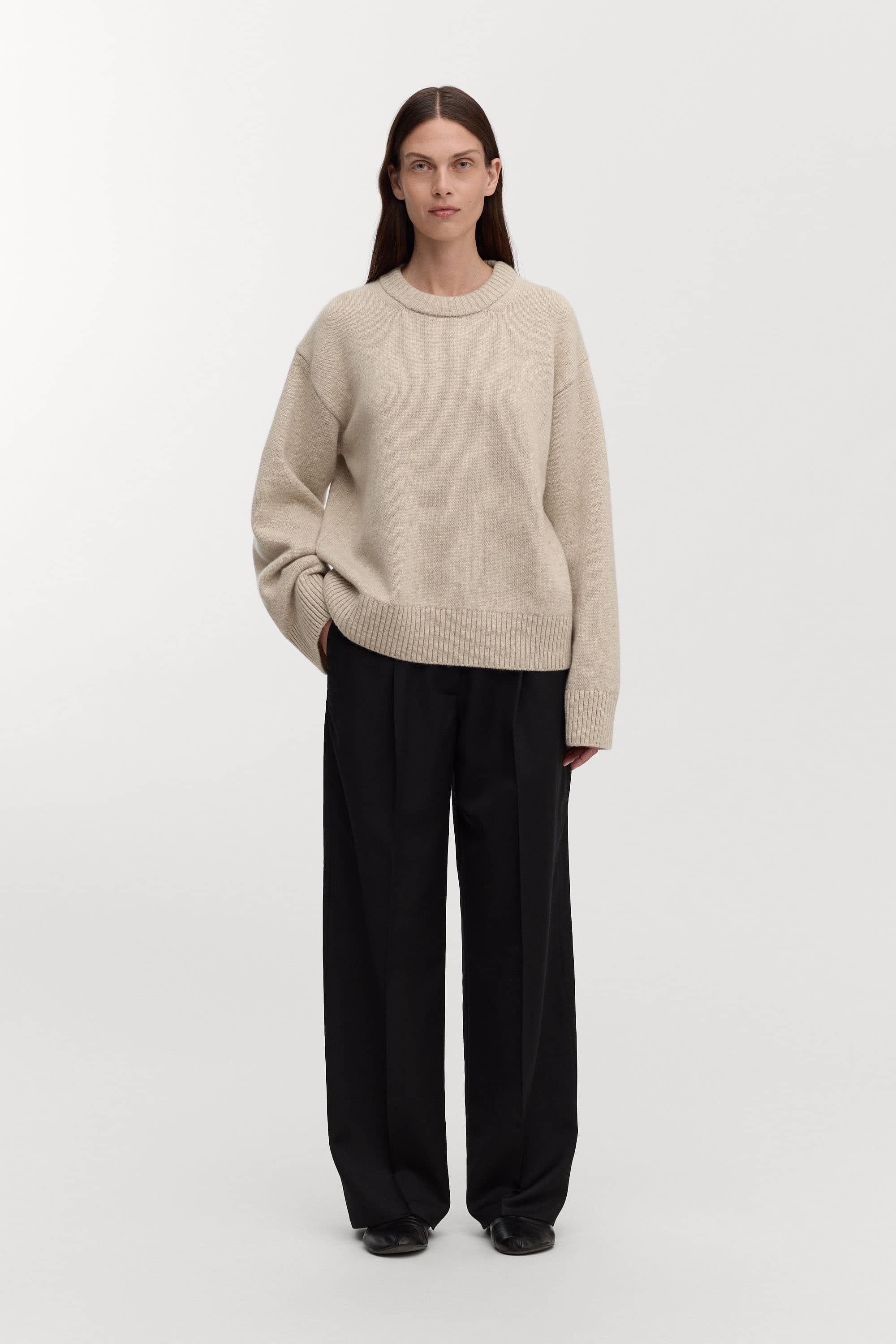
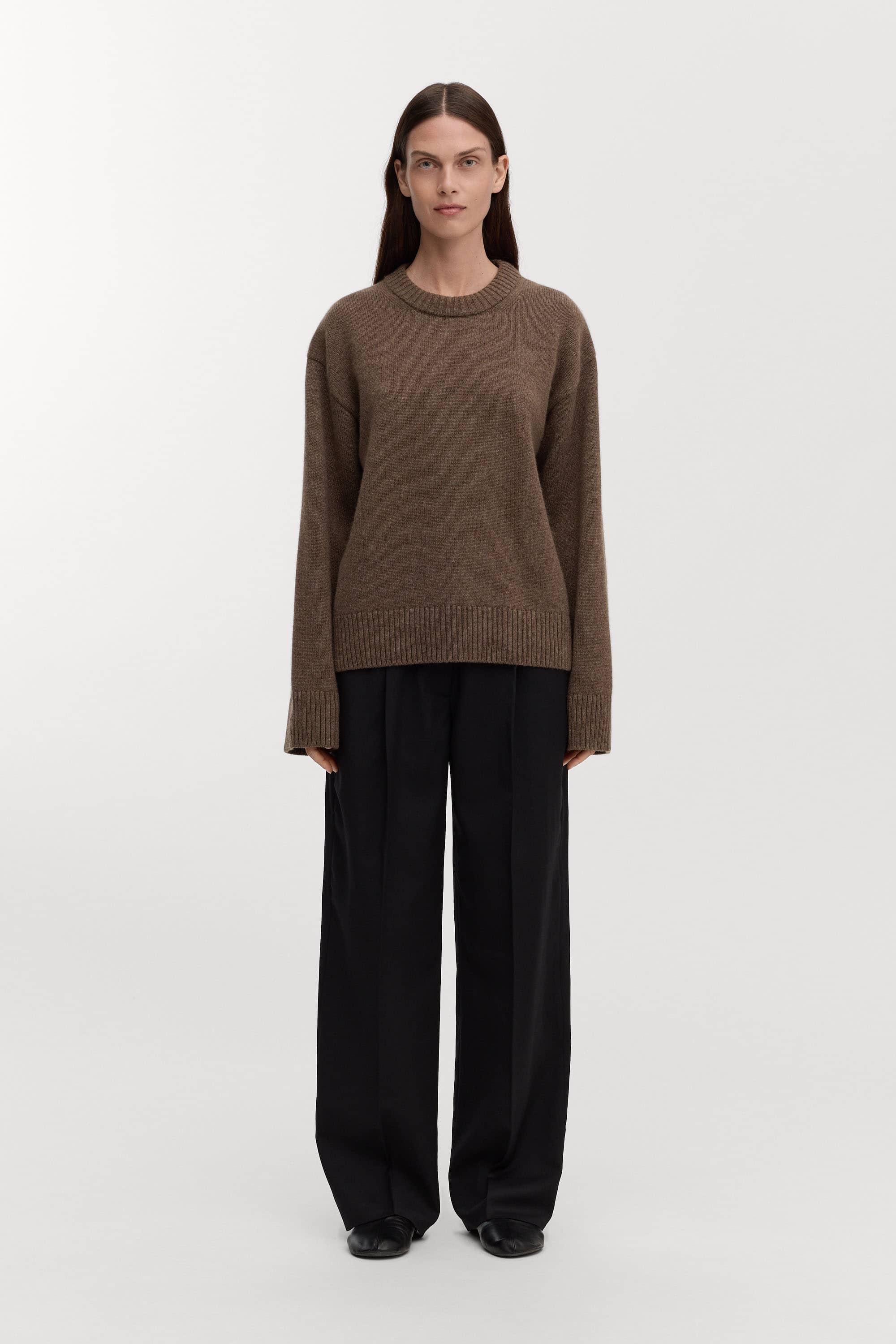
The model is 177cm/5'10” tall and wears a size M.Compare an item you own to our detailed measurement chart using our instructions below.
All measurements are garment measurements - take them on the garment lying out flat, not on the body. Please note actual garment measurements can vary +/- 1.5cm
Measurements XXS XS S M L XL XXL Shoulder to Shoulder 34 36 38 40 42.2 44.4 46.6 Chest 45 48 51 54 57.5 61 64.5 Bottom 37 40 43 46 49.5 53 56.5 Length XXS XS S M L XL XXL Length 58 60 62 64 66.5 69 71.5 Sleeve XXS XS S M L XL XXL Sleeve 54 56 58 60 62 64 66 A. SHOULDER Measure straight across the back of the shirt, from the outside edge of one shoulder (at the top of the sleeve) to the other.
B: CHEST Measure straight across the chest, 1 cm down from one armpit to the other.
D: BOTTOM Measure straight across the bottom of the garment.
E: LENGTH Measure straight down from the highest point of the shoulder to the bottom of the garment.
F: SLEEVE Measure from shoulder to bottom of sleeve.
Shipping & Returns
Store Availability
Select size
Please select size and length options to see availability
Select Size
Select size
Select Size
Select size
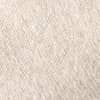
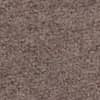
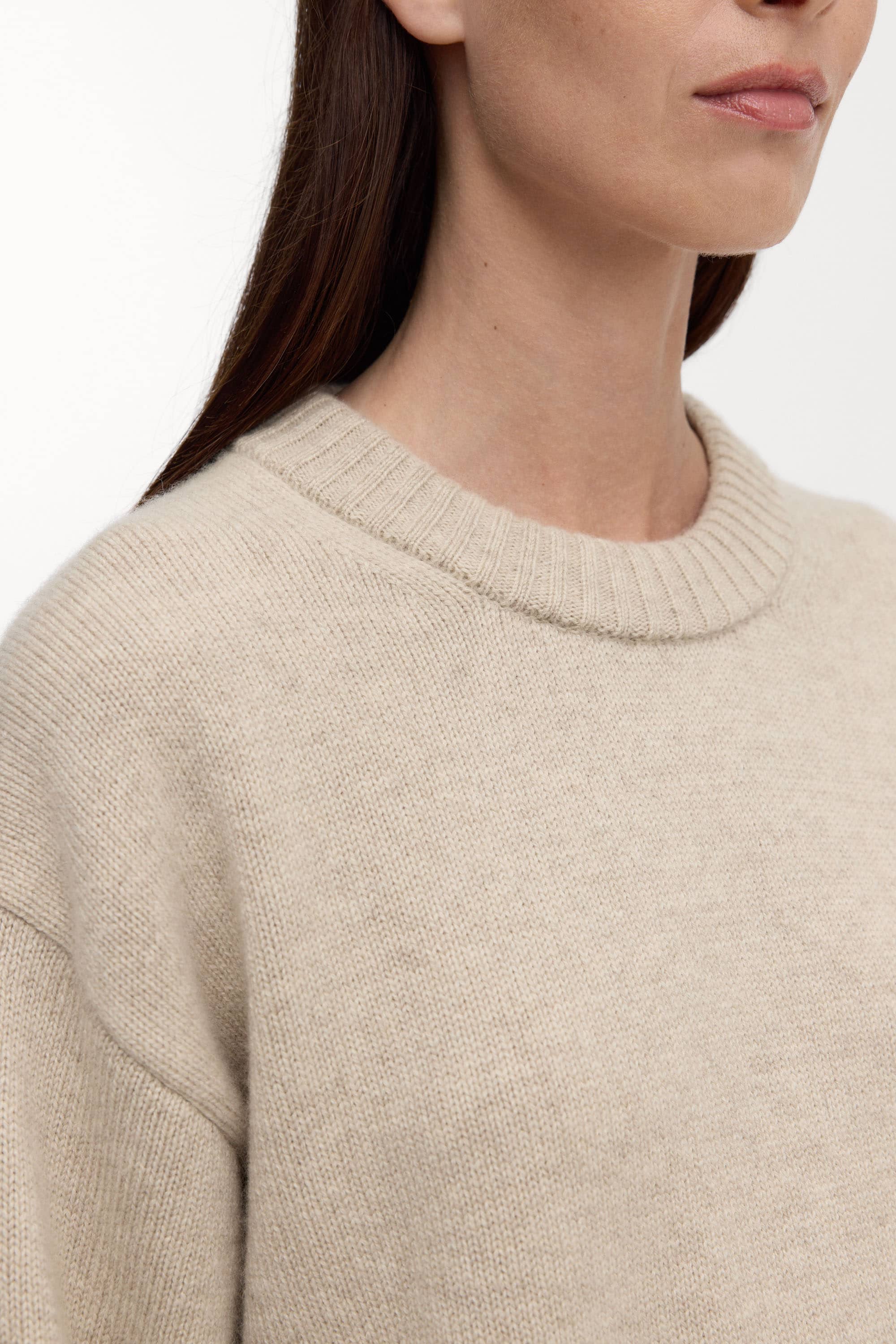
Our casual cashmere roll neck sweater is knitted from post-consumer mechanically recycled cashmere yarns, spun by Filatura Millefilli. Accentuated with a tall 2x2 ribbed knitted roll neck, cuffs and hem.
- Version
1.0
- Fiber composition
97% recycled cashmere 3% recycled wool
- Fiber grade
Grade A cashmere 16 micron
- Fiber certification
GRS
- Yarn count
Nm 2/12 in 1-ply
- Fabric construction
7 gauge, plain knit
Accentuated 2x2 rib-knitted collar, cuffs and hem
Fully fashioned - knitted and linked with no off-cuts
Coordinated by Millefilli, post consumer cashmere is collected, sorted and mechanically recycled to new yarns in a process that requires minimal virgin resources. The yarn is shipped to our expert knitters in Romania, an Italian-owned family operation under the name Alextricot, for knitting, linking, and washing.
How it's made
Packing
Alextricot SRL
Bailesti, Romania Est. 1992-01-01
Alextricot is an Italian-owned knitwear expert located in Romania. Franco, the owner, first started developing his expertise at his father's factory in Italy during the 1960s. His technical knowledge and highly-trained eye for detail are reflected in the proficiency of his staff. This fully vertical, 10000sqm meter facility houses all machinery for knitting, linking and laundry.
Employees
146
Salary
1150 Salary Unit
Employees Work Hours
8h
Tier
Manufacturing
Last Visit
2022-11-01
Romania
2022-11-01
Washing
Alextricot SRL
Bailesti, Romania Est. 1992-01-01
Alextricot is an Italian-owned knitwear expert located in Romania. Franco, the owner, first started developing his expertise at his father's factory in Italy during the 1960s. His technical knowledge and highly-trained eye for detail are reflected in the proficiency of his staff. This fully vertical, 10000sqm meter facility houses all machinery for knitting, linking and laundry.
Employees
146
Salary
1150 Salary Unit
Employees Work Hours
8h
Tier
Manufacturing
Last Visit
2022-11-01
Romania
2022-11-01
Linking
Alextricot SRL
Bailesti, Romania Est. 1992-01-01
Alextricot is an Italian-owned knitwear expert located in Romania. Franco, the owner, first started developing his expertise at his father's factory in Italy during the 1960s. His technical knowledge and highly-trained eye for detail are reflected in the proficiency of his staff. This fully vertical, 10000sqm meter facility houses all machinery for knitting, linking and laundry.
Employees
146
Salary
1150 Salary Unit
Employees Work Hours
8h
Tier
Manufacturing
Last Visit
2022-11-01
Romania
2022-11-01
Knitting
Alextricot SRL
Bailesti, Romania Est. 1992-01-01
Alextricot is an Italian-owned knitwear expert located in Romania. Franco, the owner, first started developing his expertise at his father's factory in Italy during the 1960s. His technical knowledge and highly-trained eye for detail are reflected in the proficiency of his staff. This fully vertical, 10000sqm meter facility houses all machinery for knitting, linking and laundry.
Employees
146
Salary
1150 Salary Unit
Employees Work Hours
8h
Tier
Manufacturing
Last Visit
2022-11-01
Romania
2022-11-01
Ply twisting
RITORCITURA DIANA DI LEGGIERI ANTONIO & C. S.N.C
Italy
-
Spinning
Millefili S.P.A
Prato, Italy Est. 1981-01-01
Millefili was founded in 1981 and situated in Prato, Italy. The mill is specialized in the production of carded yarns, in particular from cashmere and wool, both 100% pure and blends. A young team obsessive about quality care works with the some of the best raw materials with the strictest quality controls to produce our recycled Cashmere yarns from mechanically recycled fibers supplied by nearby fiber-to-fiber recycling mill Gori Alberto.
Employees
34
Salary
1500 Salary Unit
Employees Work Hours
8h, 3 shifts
Last Visit
2023-05-08
Italy
2023-05-08
Carding
Millefili S.P.A
Prato, Italy Est. 1981-01-01
Millefili was founded in 1981 and situated in Prato, Italy. The mill is specialized in the production of carded yarns, in particular from cashmere and wool, both 100% pure and blends. A young team obsessive about quality care works with the some of the best raw materials with the strictest quality controls to produce our recycled Cashmere yarns from mechanically recycled fibers supplied by nearby fiber-to-fiber recycling mill Gori Alberto.
Employees
34
Salary
1500 Salary Unit
Employees Work Hours
8h, 3 shifts
Last Visit
2023-05-08
Italy
2023-05-08
Shredding
Gori Alberto Primi Materie Tessili
Prato, Italy Est. 1955-01-01
This facility is the sorting and recycling partner of Millefili. Spanning across three generations, this family run business is at the forefront of fiber-to-fiber cashmere recycling. Post-consumer garments including trousers, sweaters, jackets and wool coats, are collected, separated by color, graded by quality and shredded back into fibers in a mechanical recycling process. Since the fibres are separated by color it's not necessary to dye them again, saving both water and chemical usage. The facilities of Gori Alberto are bleeding edge. The building structure is constructed for optimal energy efficiency, boasts advanced rain water recovery systems and is equipped with 3000sqm of solar panels, powering both machinery and EV charging stations in the parking lot.
Employees
14
Salary
1500 Salary Unit
Employees Work Hours
8h
Last Visit
2023-05-08
Italy
2023-05-08
Sorting
Gori Alberto Primi Materie Tessili
Prato, Italy Est. 1955-01-01
This facility is the sorting and recycling partner of Millefili. Spanning across three generations, this family run business is at the forefront of fiber-to-fiber cashmere recycling. Post-consumer garments including trousers, sweaters, jackets and wool coats, are collected, separated by color, graded by quality and shredded back into fibers in a mechanical recycling process. Since the fibres are separated by color it's not necessary to dye them again, saving both water and chemical usage. The facilities of Gori Alberto are bleeding edge. The building structure is constructed for optimal energy efficiency, boasts advanced rain water recovery systems and is equipped with 3000sqm of solar panels, powering both machinery and EV charging stations in the parking lot.
Employees
14
Salary
1500 Salary Unit
Employees Work Hours
8h
Last Visit
2023-05-08
Italy
2023-05-08
Collecting
Unknown
Unknown
-
Elastane yarn
Unknown
Italy
-
Main label
Nilörngruppen AB
Hong Kong
-
Care label
Nilörngruppen AB
Hong Kong
-
Millefili S.P.A
The mill is specialized in the production of carded yarns, in particular from cashmere and wool, both 100% pure and blends.
Cost, resource and impact breakdown
For every garment, we not only disclose the full supply chain, but also its monetary and resource cost structure along with the resulting CO2e emissions. Impact is calculated in kg of climate change CO₂ equivalent. Figures refer to garment production (raw material to finished garment) and exclude post-purchase lifecycle stages (shipping, use phase, end of life).
| Component | Cost | Co2 | Water | Energy |
|---|---|---|---|---|
| Assembly | 16.8 EUR | 0.32 kg | 0.02 l | 0.96 kWh |
| Main Fabric | 35.4 EUR | 1.55 kg | 0.68 l | 4.88 kWh |
| Trims | 0.3 EUR | 0.02 kg | 0 l | 0.01 kWh |
| Transport | 0.6 EUR | 1.1 kg | 0.1 l | 9.07 kWh |
| Total | 53.1 EUR | 2.99 kg | 0.81 l | 14.92 kWh |
Basic Care Instructions
Do not bleach
Do not tumble dry
Iron at low temperature 110°C
Professional dry clean
Hand wash cold
Detailed care instructions
- In principle, avoid washing wool as much as possible. Unlike cotton and synthetic fabrics, wool is not prone to retain odors and can stay fresh without wash. Just air it out occasionally but if washing is needed, hand wash cold only, do not machine wash.
- Air dry flat on towel. Remove as many folds and creases as possible.
- Carefully stretch it back to its original shape before drying, otherwise wearing will naturally remove creases and stretch the garment back to original dimensions.
- If ironing is necessary, turn the sweater inside out and spray the garment with a little water before applying the iron to the garemen surface gently. This will make crease removal easier.
- Don't be alarmed if your sweater starts to pill. Pilling is the natural formation of fuzzy balls on the surface of your wool sweater, which can occur in any parts of your wool sweater. it mostly appears on sleeves, armpits and the sides of the garment. It can easily be removed with a wool comb, carefully running down the garment without pressing down to hard. We can't guarantee that it won't occur but to reduce the risk of pilling, always turn our sweater inside out when washing and be careful while using it so you don't rub it on structured surfaces. Some wool qualities can be sensitive against use of dust roll which can make the short fibers to come up on the surface and make pills on the garment. Use a soft wool brush to remove dust and to place the wool fibers in line again. Store your sweaters folded in your wardrobe, hanging it will cause stretching of fibers which can affect the length of the garment. Make sure that it is stored in a dry and cool place and avoid direct sunlight. Store your wool garments together with ceder balls or other moth protecting material to prevent it from clothing moths. Allow 1-2 days between wearing your sweater. This allows wrinkles to dissipate and the elasticity of the fibers to recover.
Garment care and repair guides
Explore our library of care guides, specific to fabrics, materials and garments, including stain treatments and repair guides below. For every product we keep spare parts and send you what you need, when you need it, at no cost.
Garment take back and resale
To extend the life of our product, we take back any unwanted Asket garments - no matter their condition or age. In exchange, you'll receive a reward voucher based on the type(s) of garments you return. Your sent in garments will be handled for resale at our Bondegatan Restore location.
Product category | Reward value |
|---|---|
Underwear | 0 AUD |
T-Shirts & Accessories | 5 AUD |
Shirts & Sweatshirts | 15 EUR |
Knitwear | 20 AUD |
Trousers, Dresses & Skirts | 30 AUD |
Outerwear | 40 AUD |