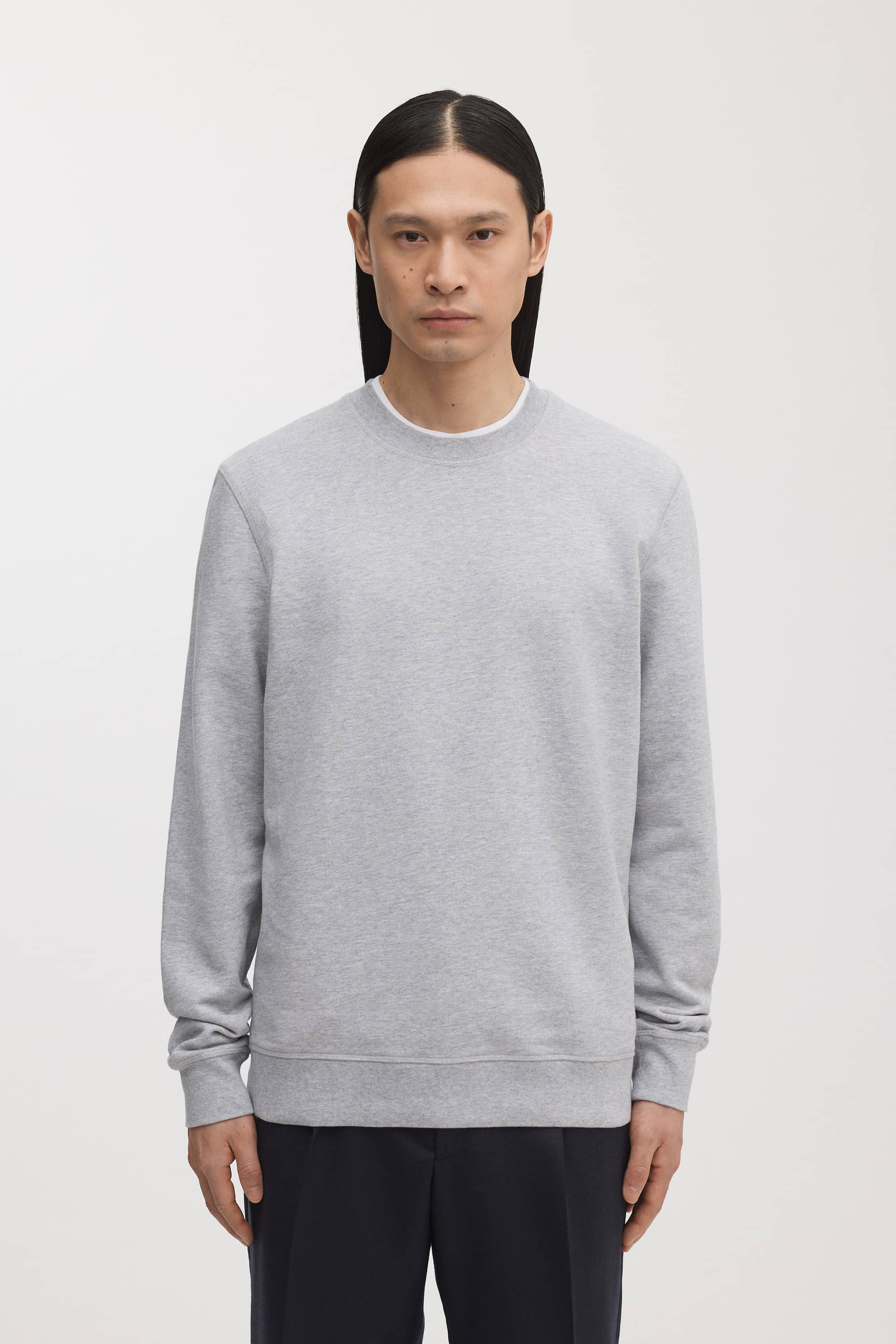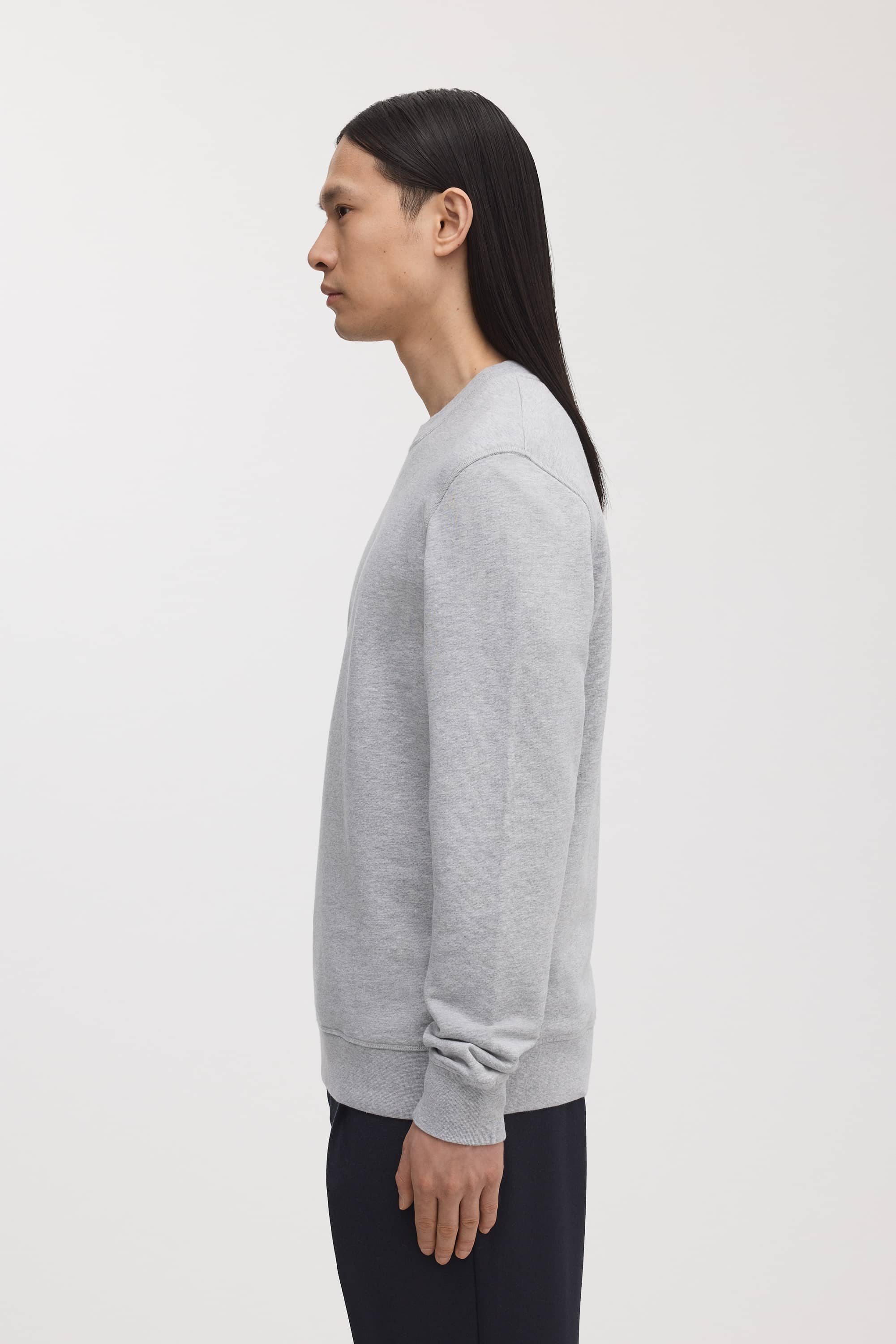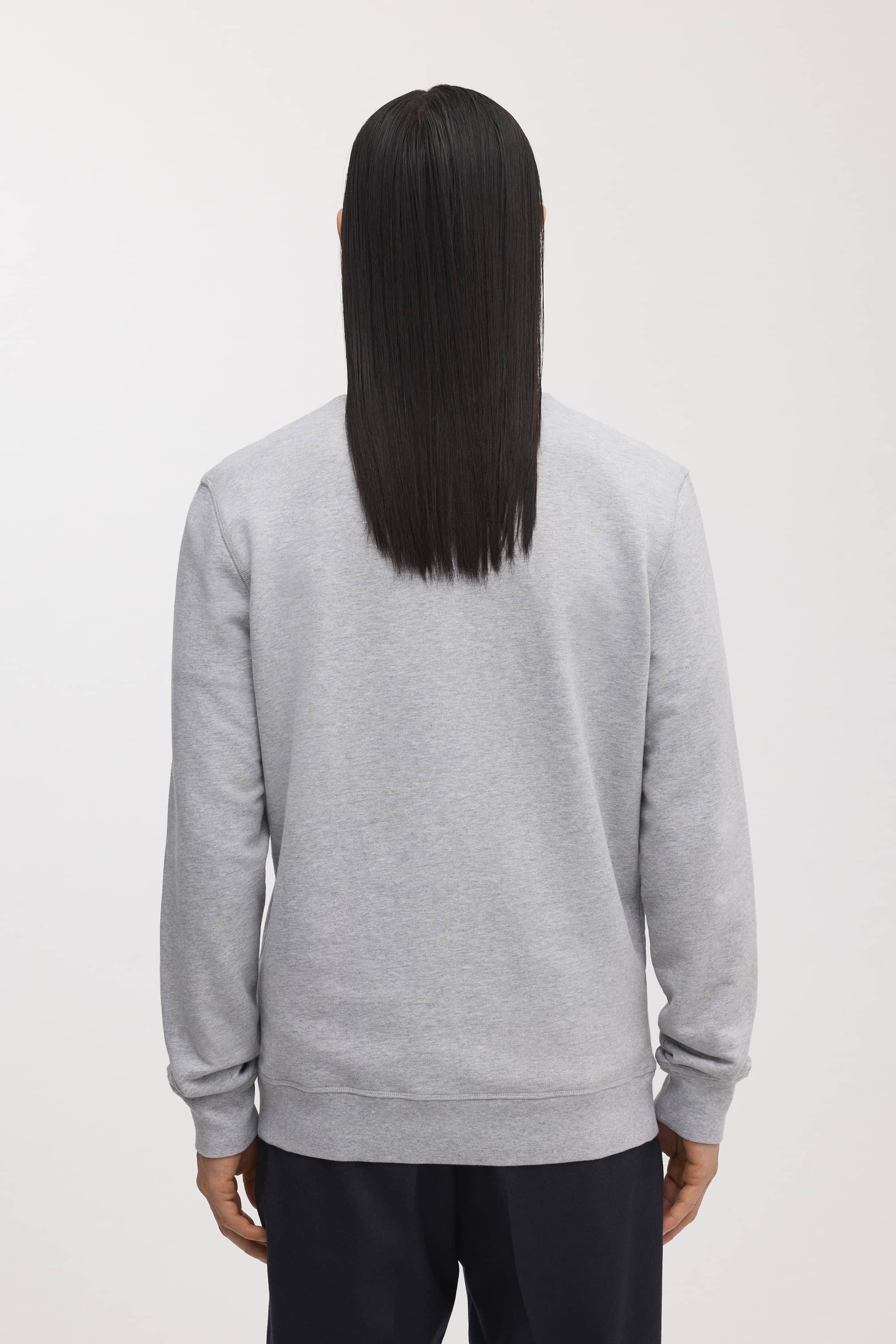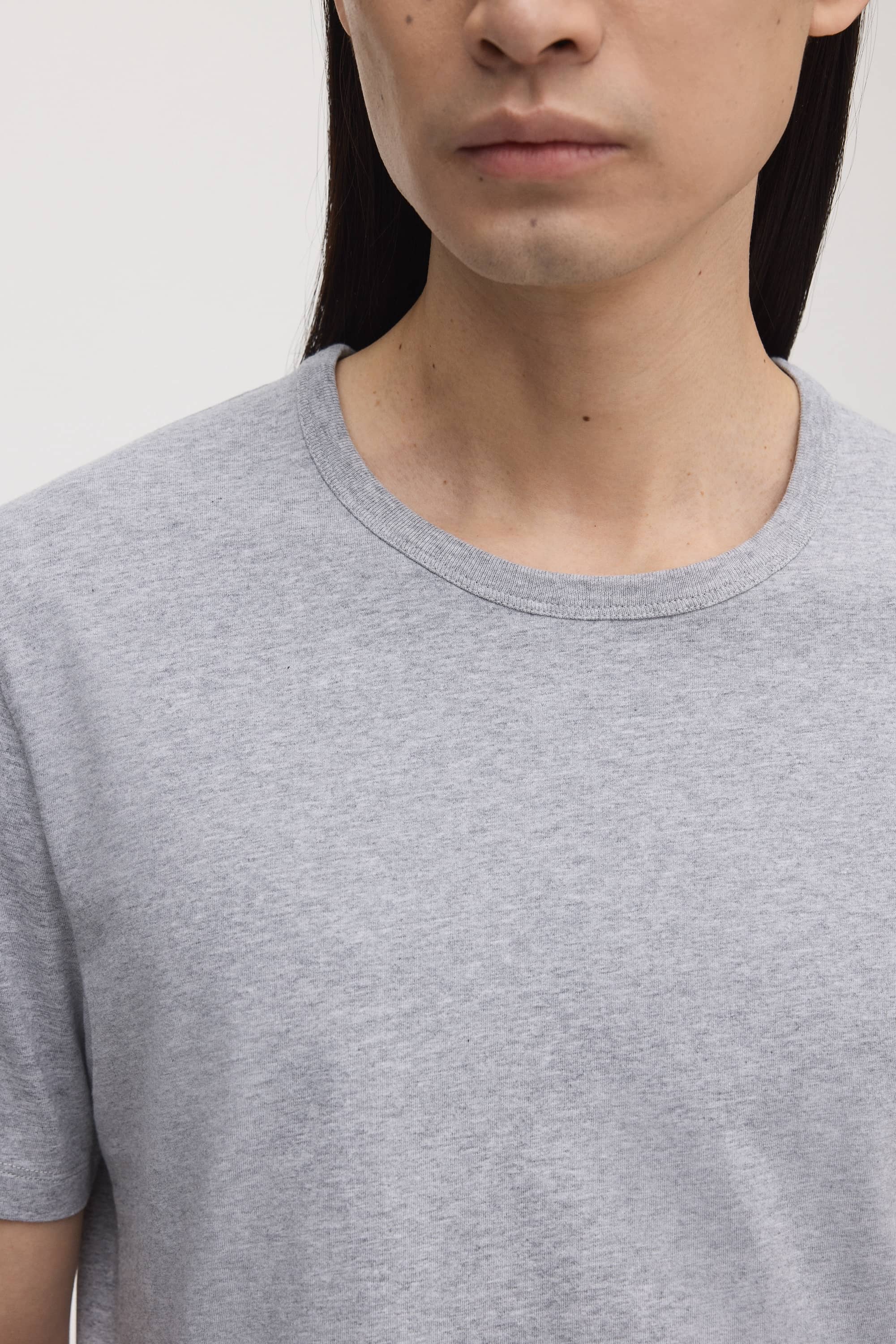
Garment
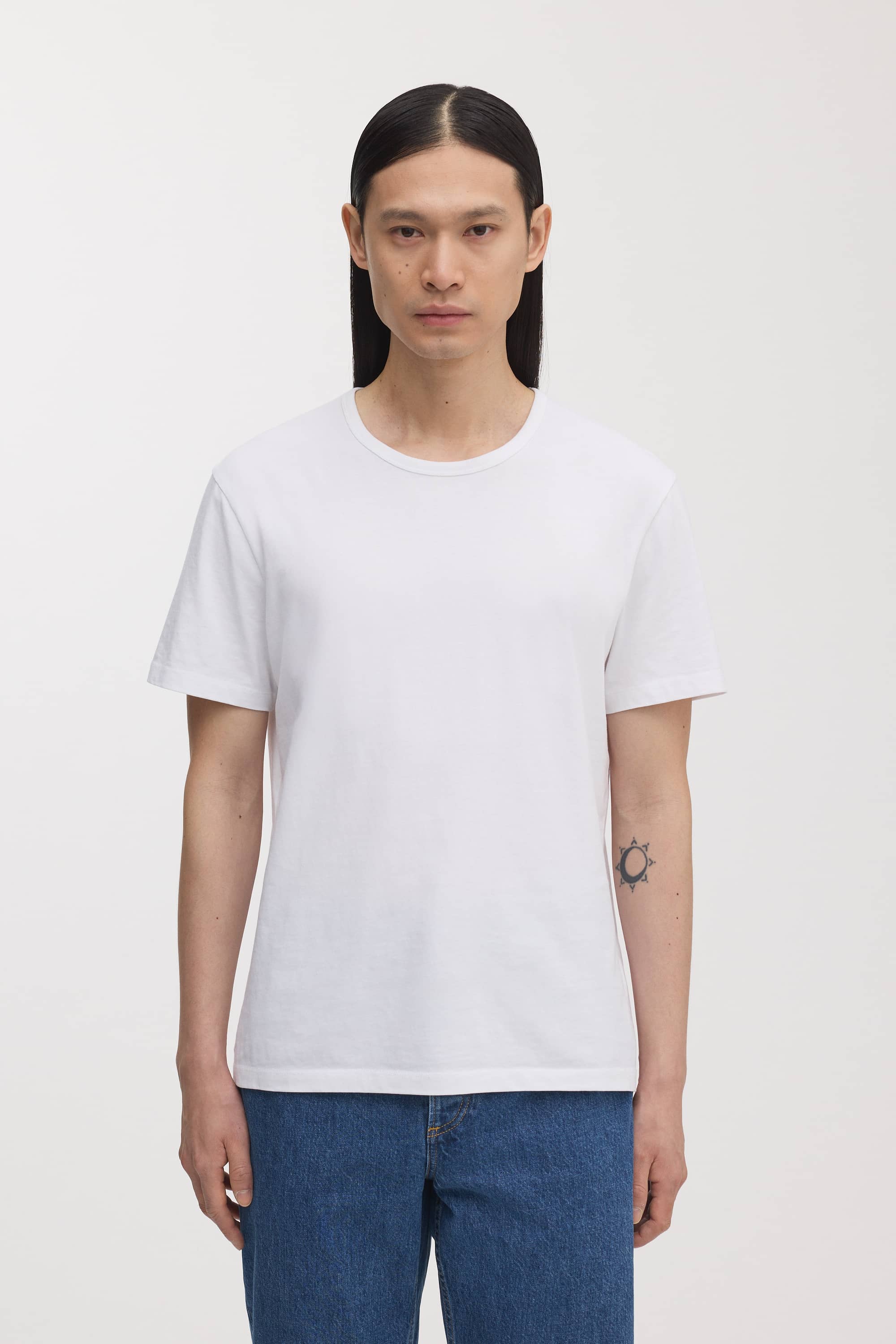
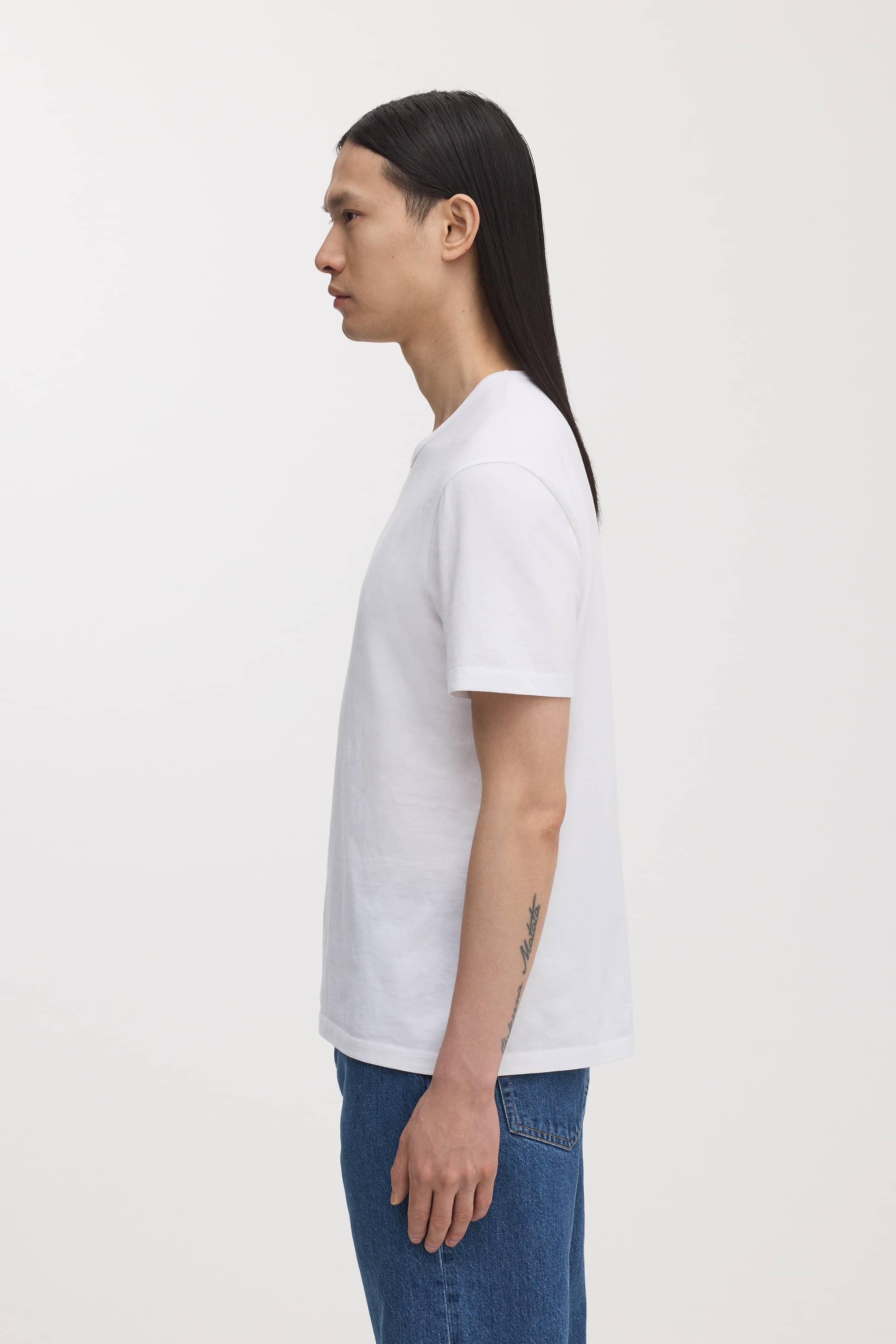
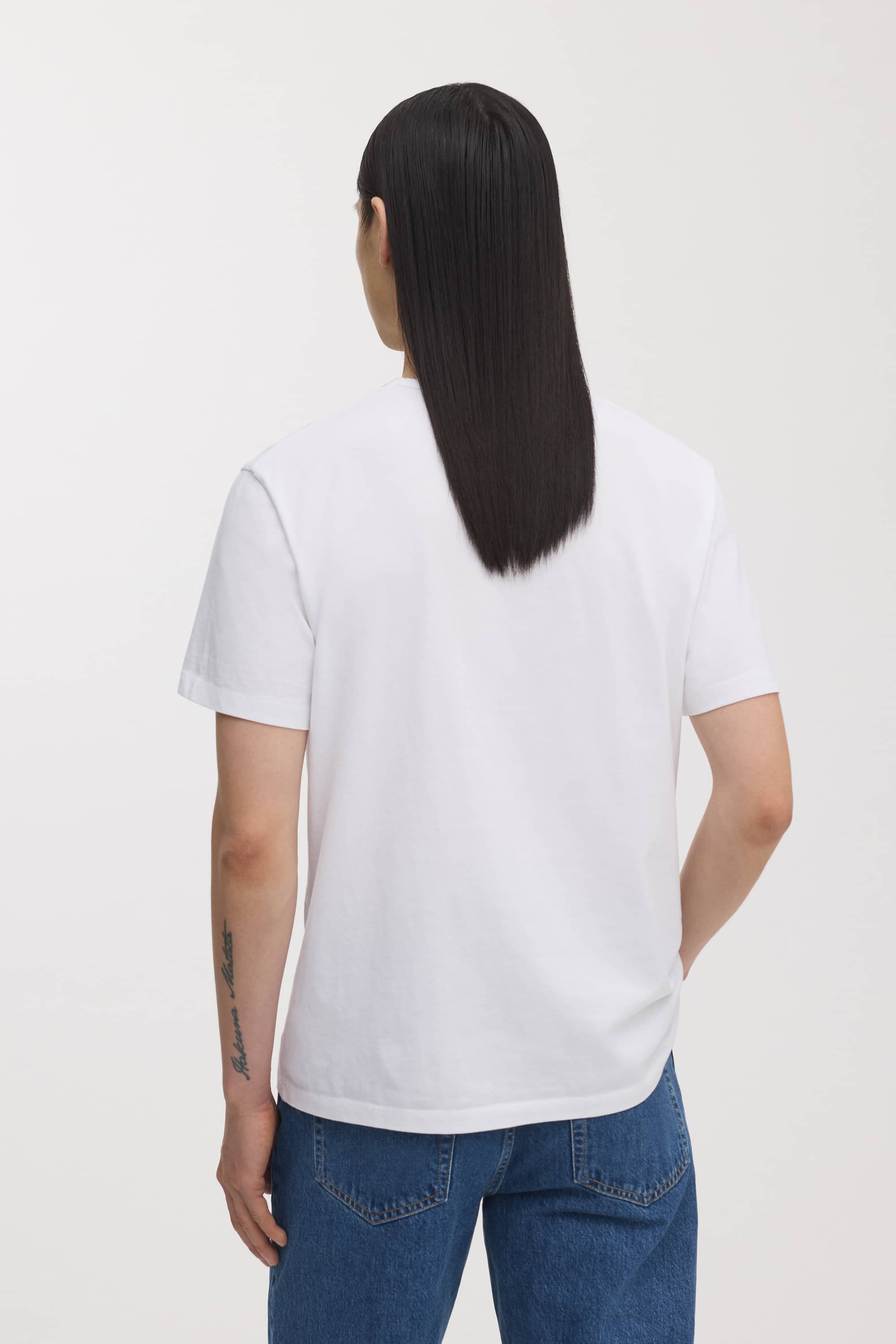
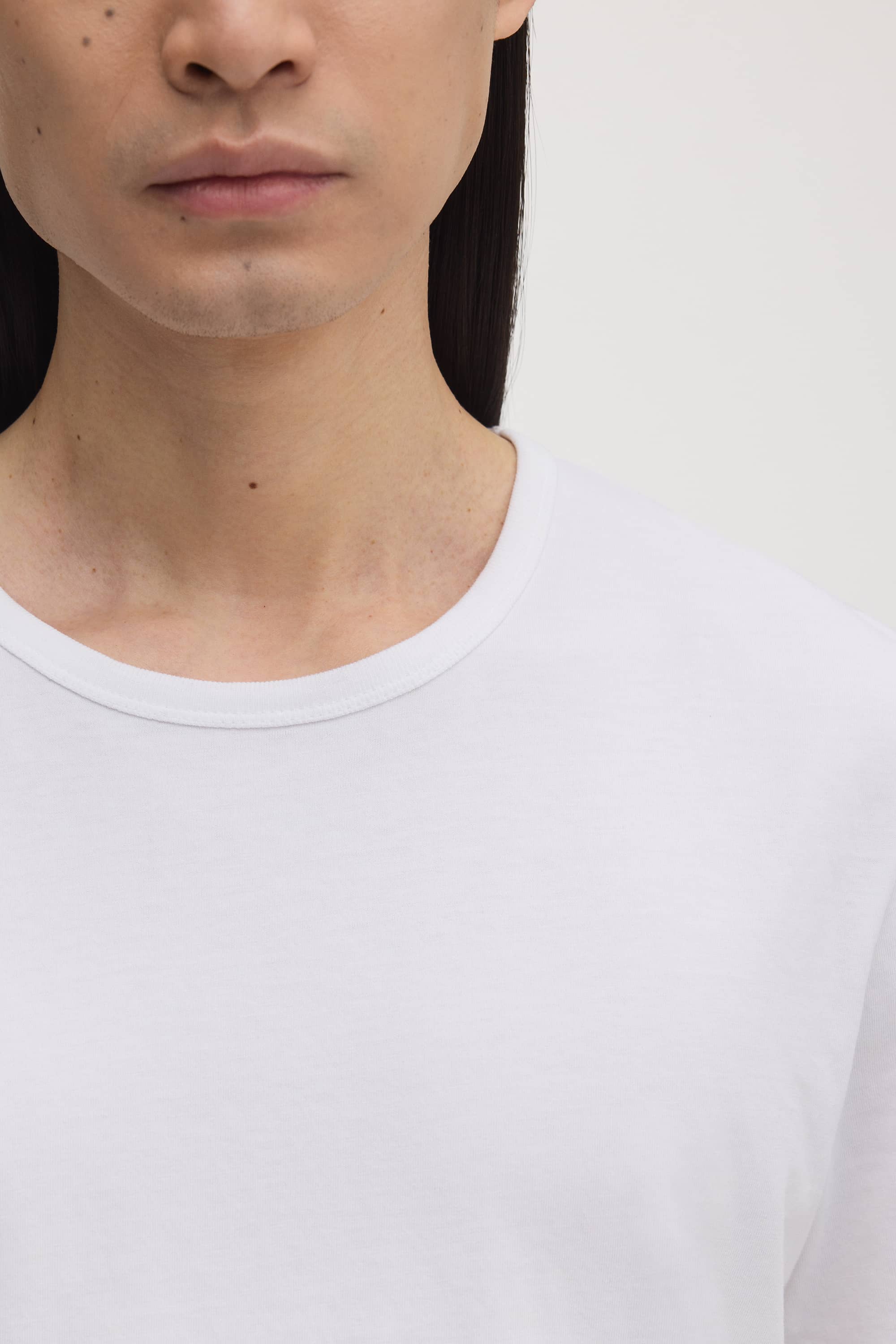
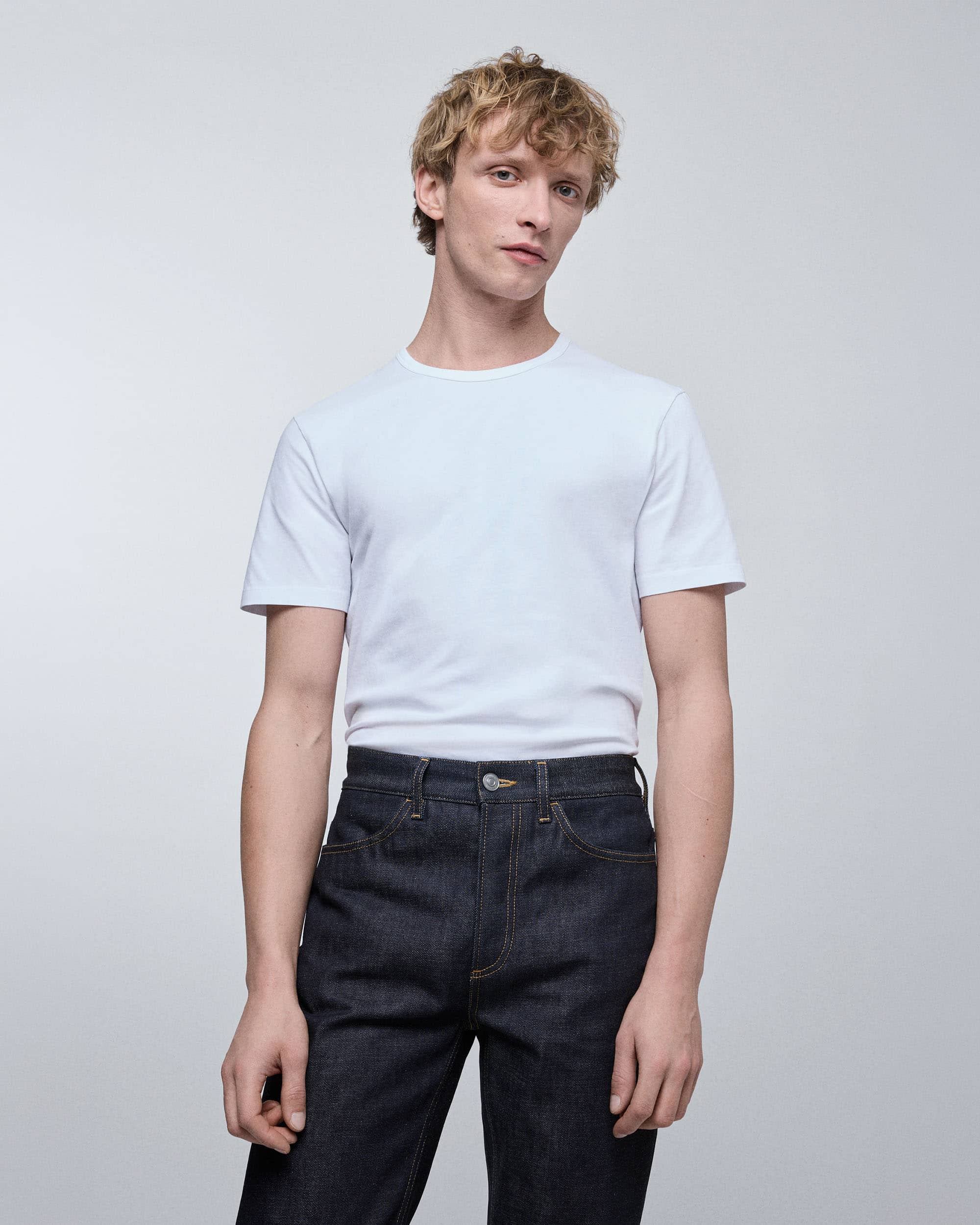
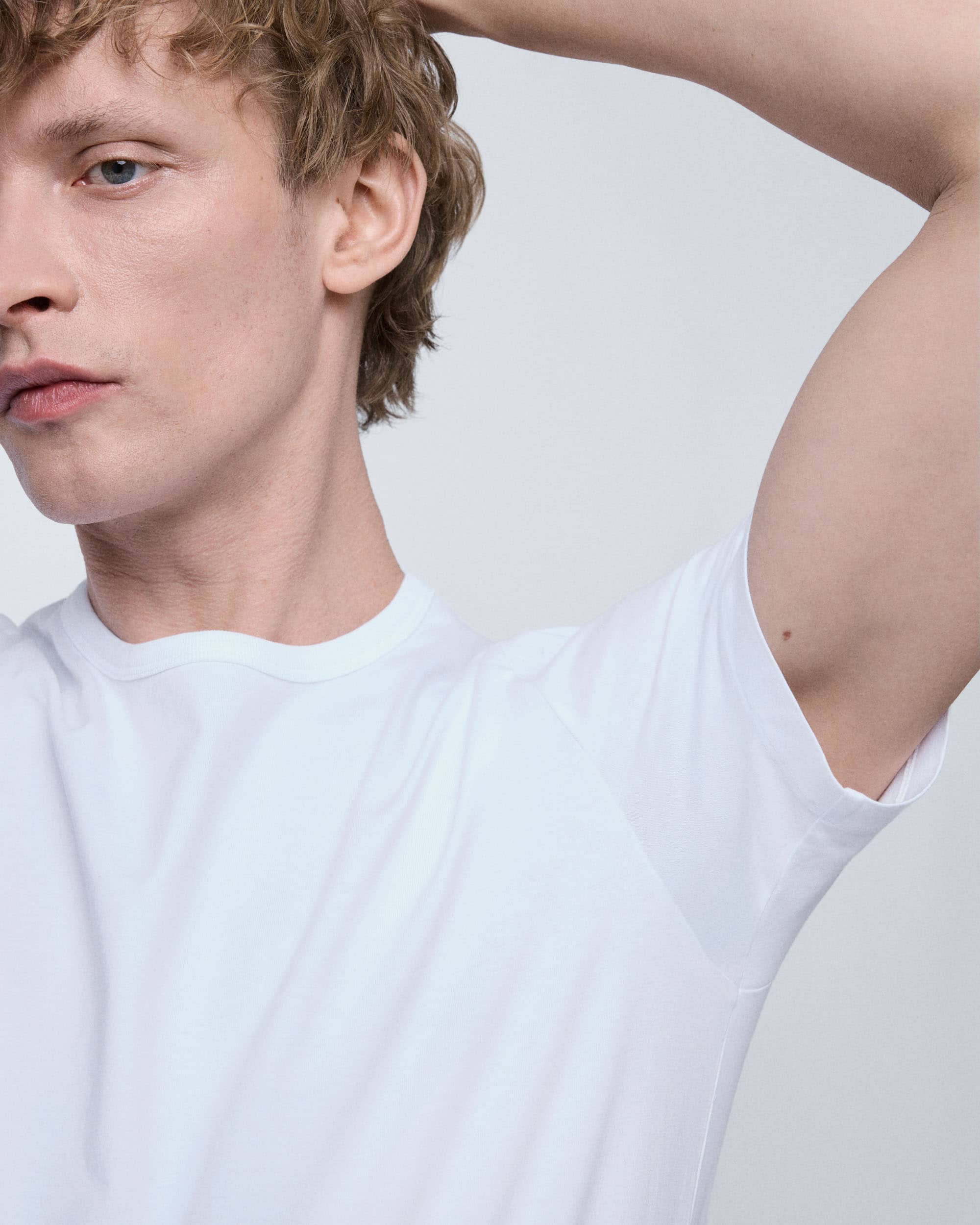
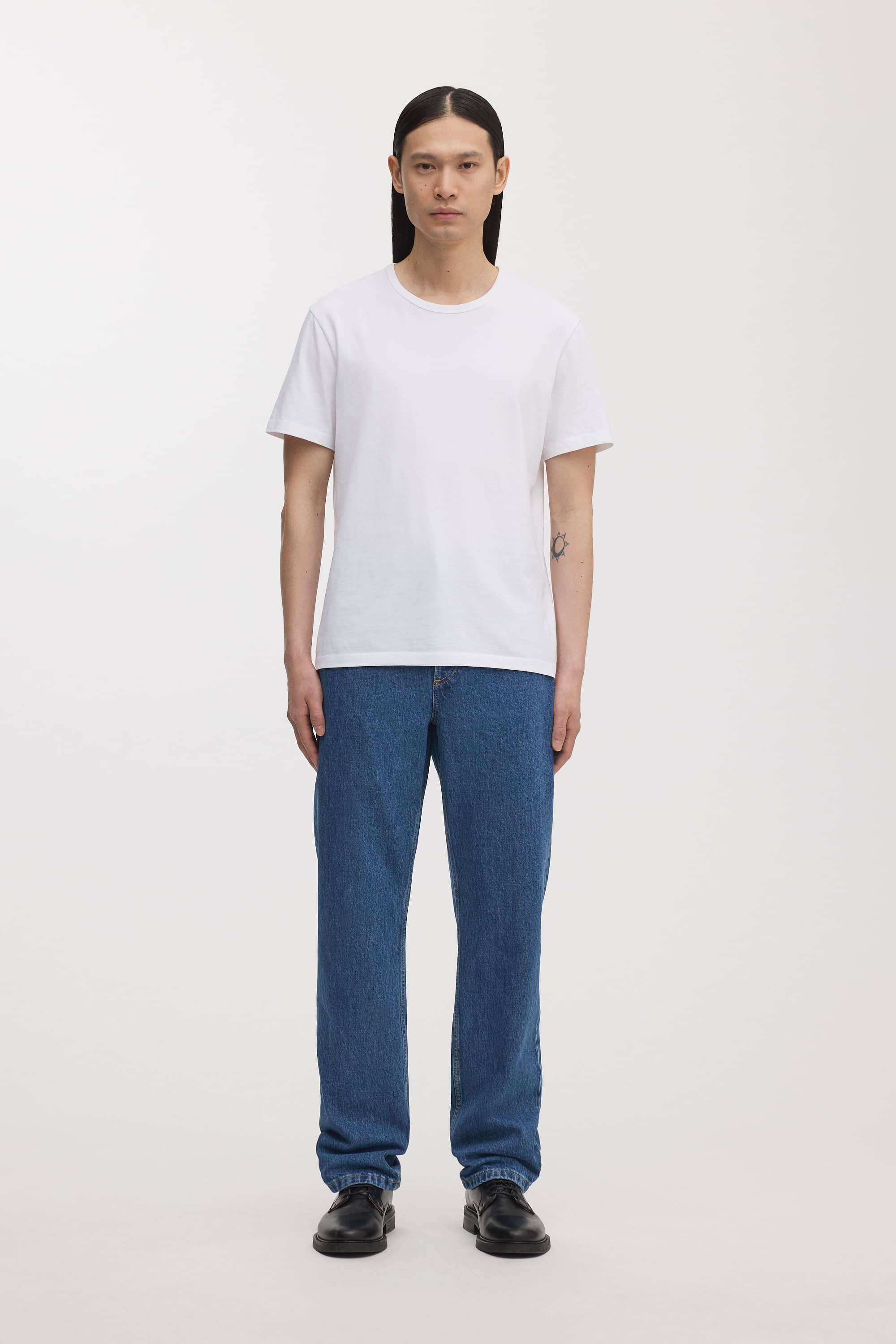
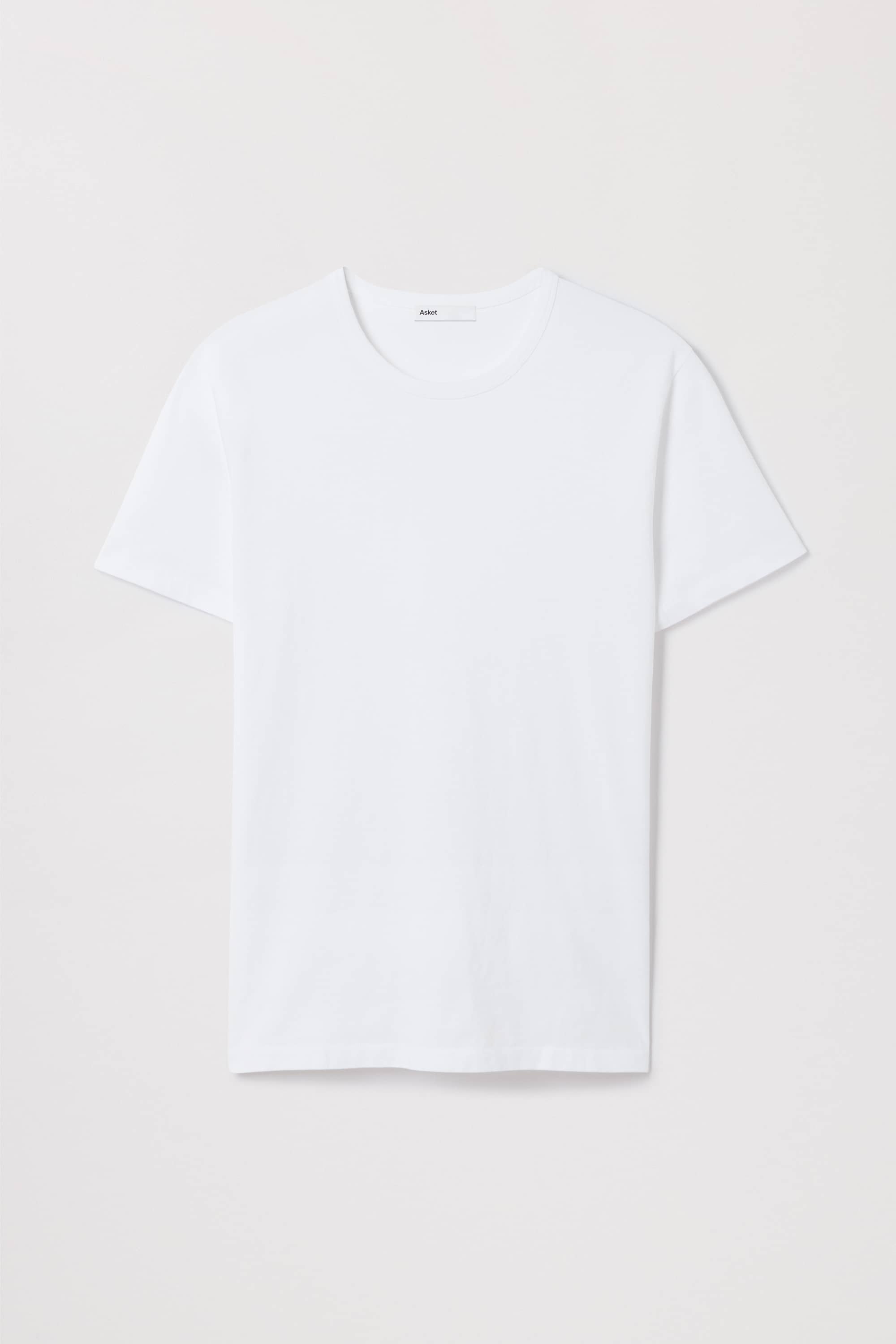
The T-Shirt
85AUD
Color
White

+4
Price
85AUD
Material
100% Organic Cotton
Released / Version
2015
Released between 2015 and 2020, we revisit the eight garments that mark the beginning of Asket.
Each piece was developed to answer a specific need, refined through years of wear, and kept in the collection only as long as it continued to earn its place. Along the way, they shaped not just our range, but our standards — through hard-earned lessons, material discoveries, and a growing commitment to not just create better clothing, but to honor what it takes to make them too.
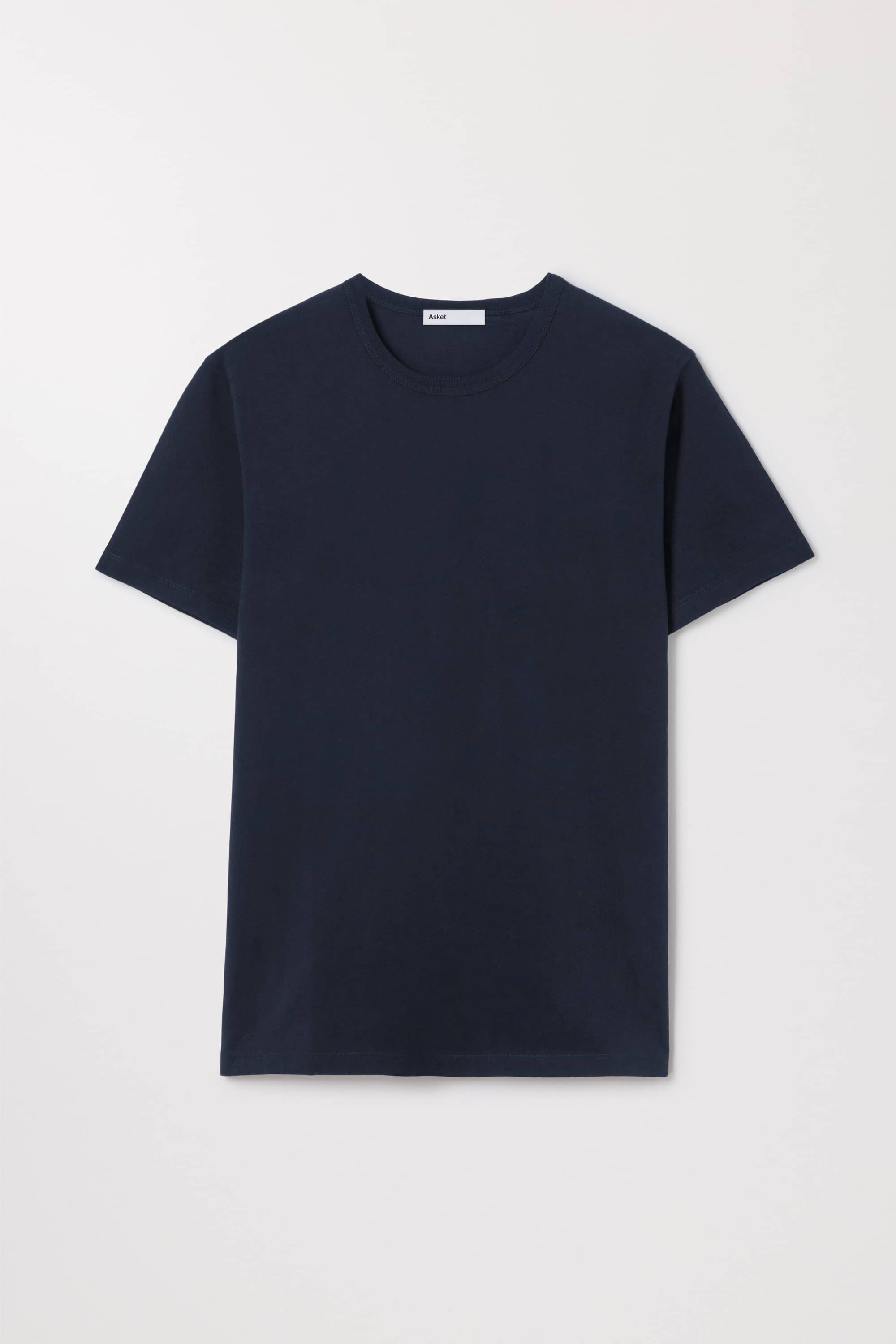
Arguably the most iconic menswear piece there is, our first garment — and it is still the most demanding. Ten years on, it remains unchanged in principle and is produced on the same machine it started on.
Release year
2015
Current version
1.3
Version remarks
Organic cotton introduced in 2022, minor fit tweaks over time
Garment archetype
Military undershirt (early 20th century)
Fabric/Mill
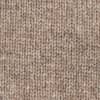
Custom 180gsm single jersey/LMA
"Having made over 330 000 pieces, the challenge is no longer making a great T-shirt. It is making the same one, again and again. From the farm to final garment, variations in conditions occur at every step of the manufacturing process. To keep consistency, we’ve relied on the same (singular) 55 year old knitting machine for a decade now."
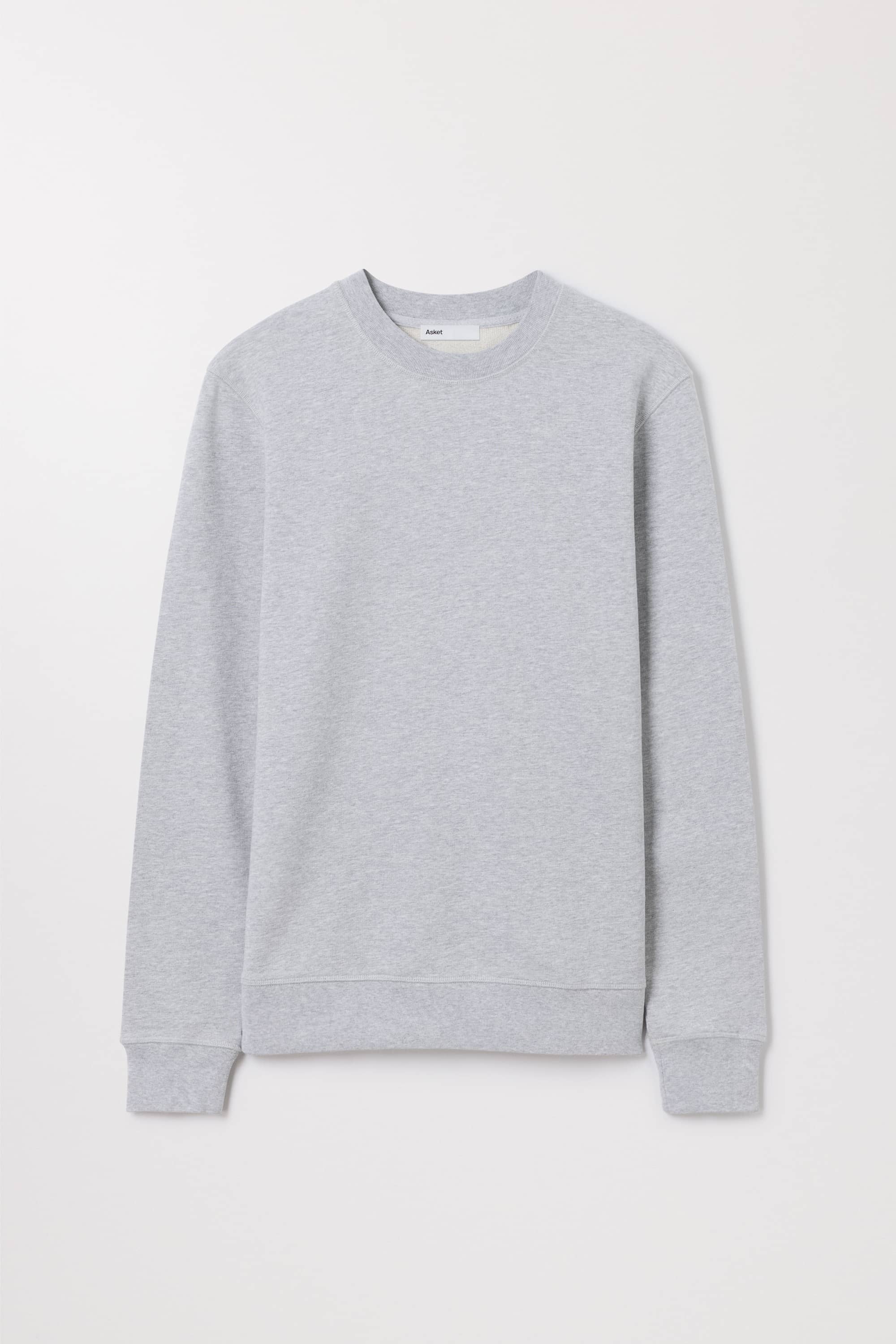
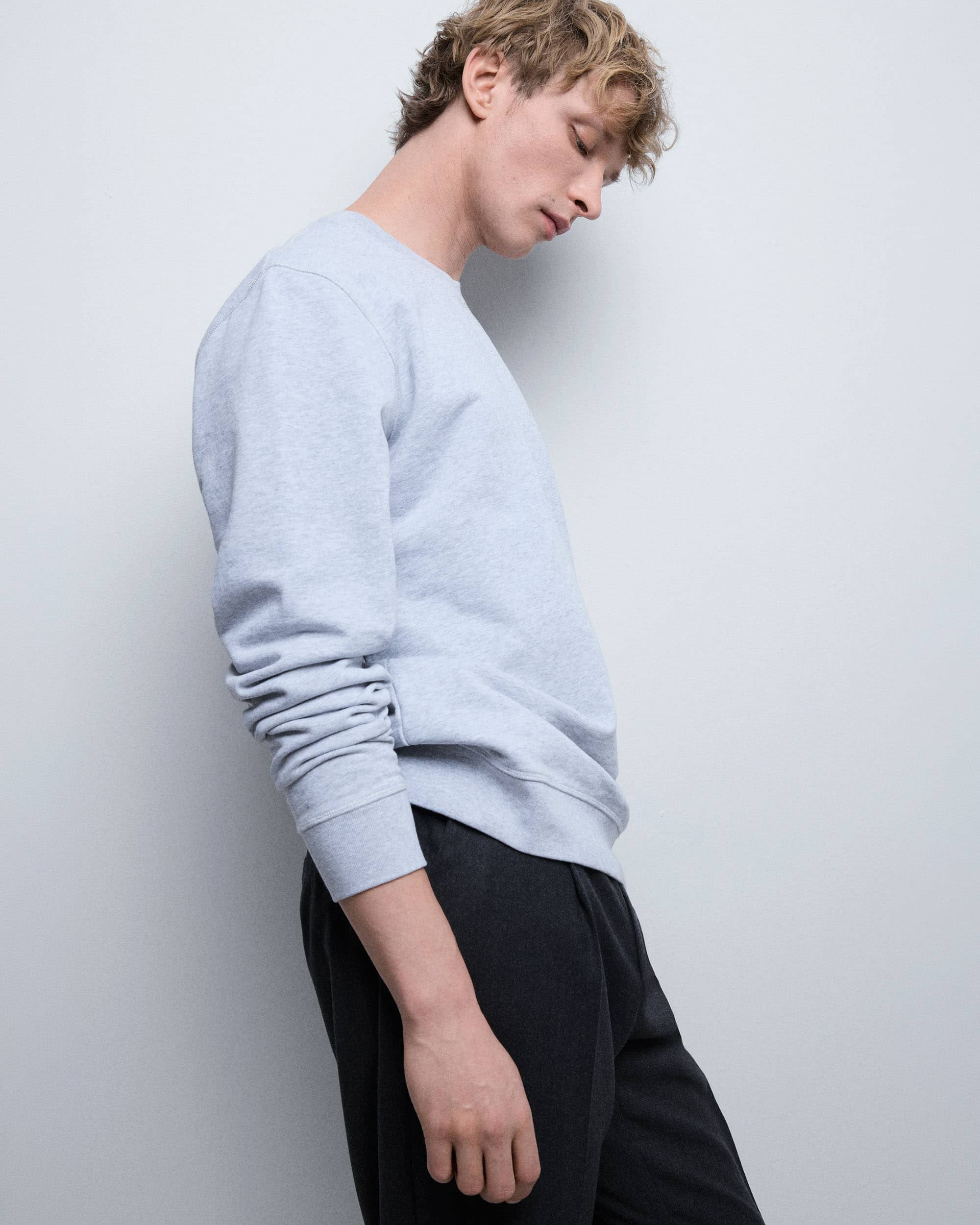
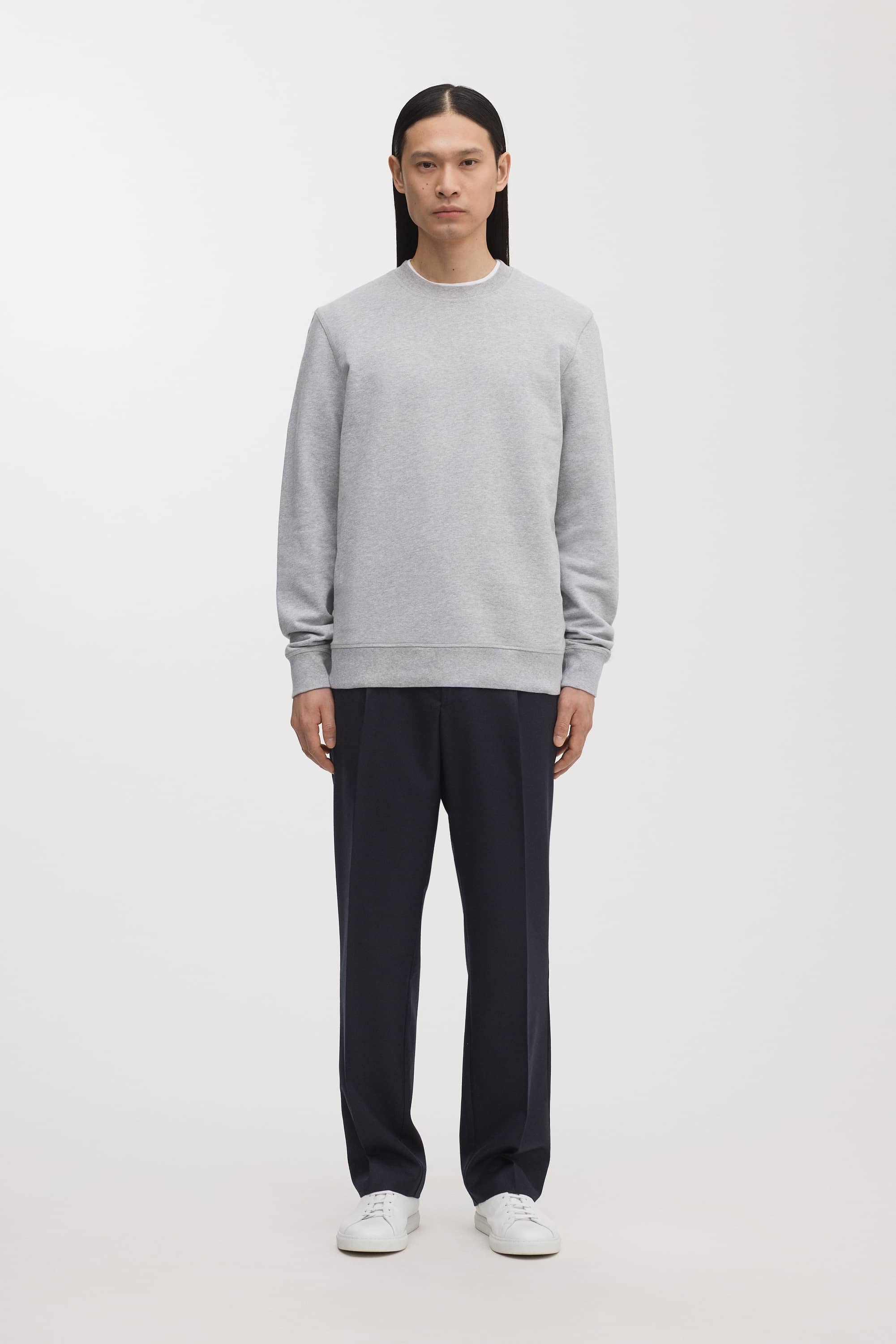
The garment that nearly ended us. Born in athletic training, the sweatshirt was designed to absorb wear and movement. Today it's an iconic layer: informal, functional and built to be worn hard.
Release year
2016
Current version
2.5
Version remarks
Complete relaunch in 2017 with updated fabric base and design, fit tweaks since then
Garment archetype
1920s athletic training garment
Fabric/Mill
Custom 380gsm unbrushed loopback/Gabritex
"Our second ever garment to launch was a catastrophic failure. The first version of The Sweatshirt had a 60% defect rate - discovered only by our customers. On the brink of bankruptcy we were forced to go back to the drawing board and start small. That's the moment “continuous refinement” – starting small and evolving our garments over time – became an integral part of how we work."
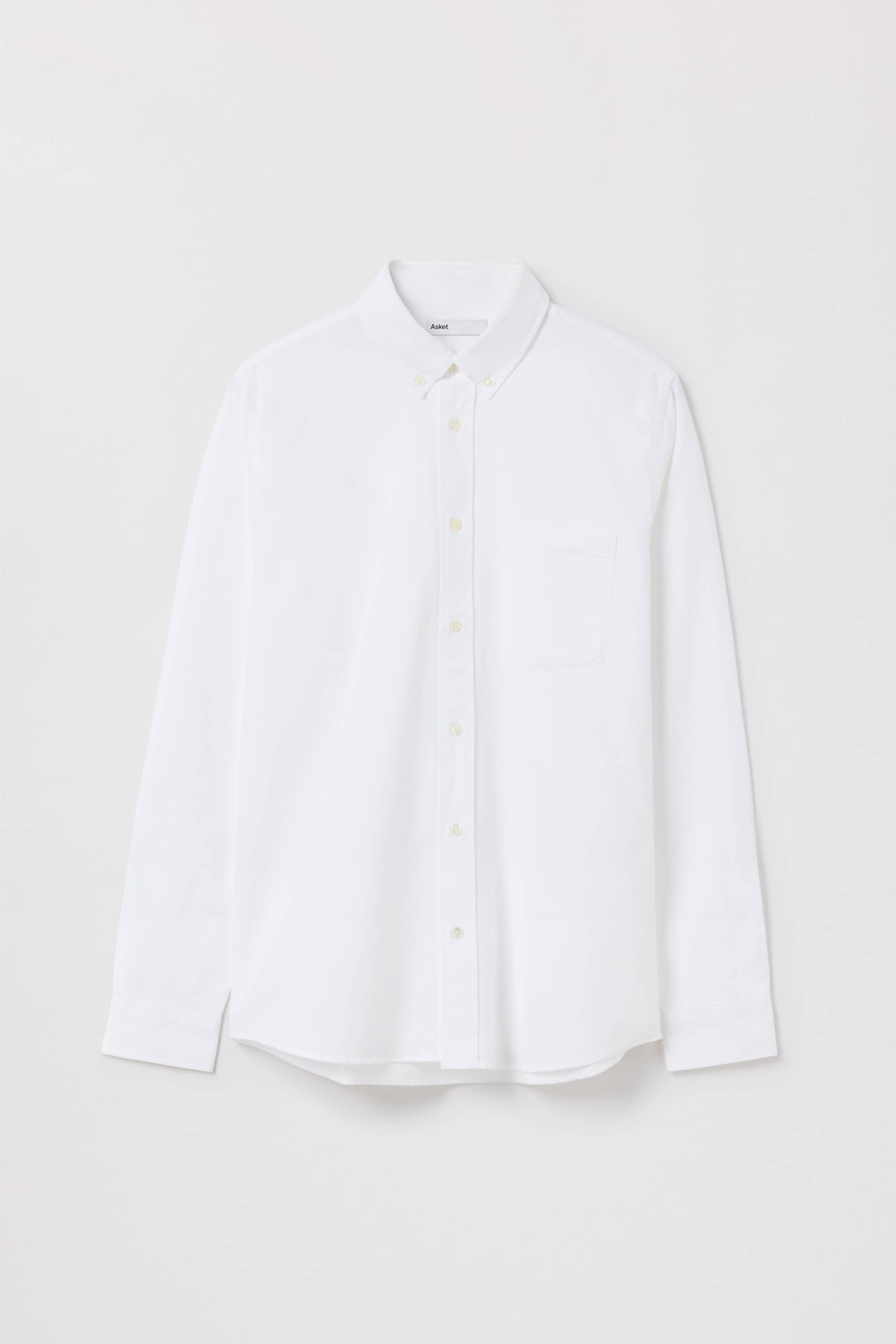
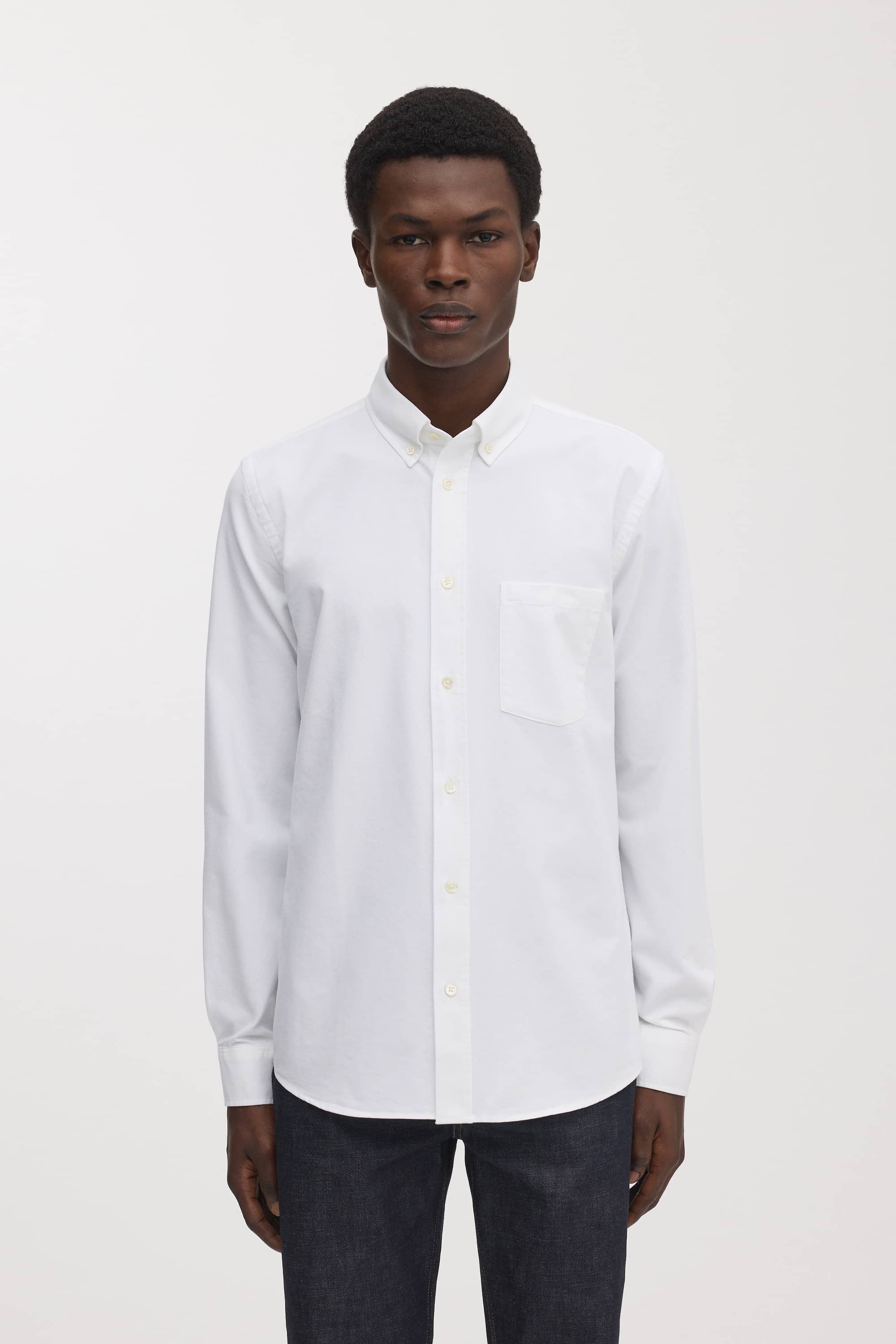
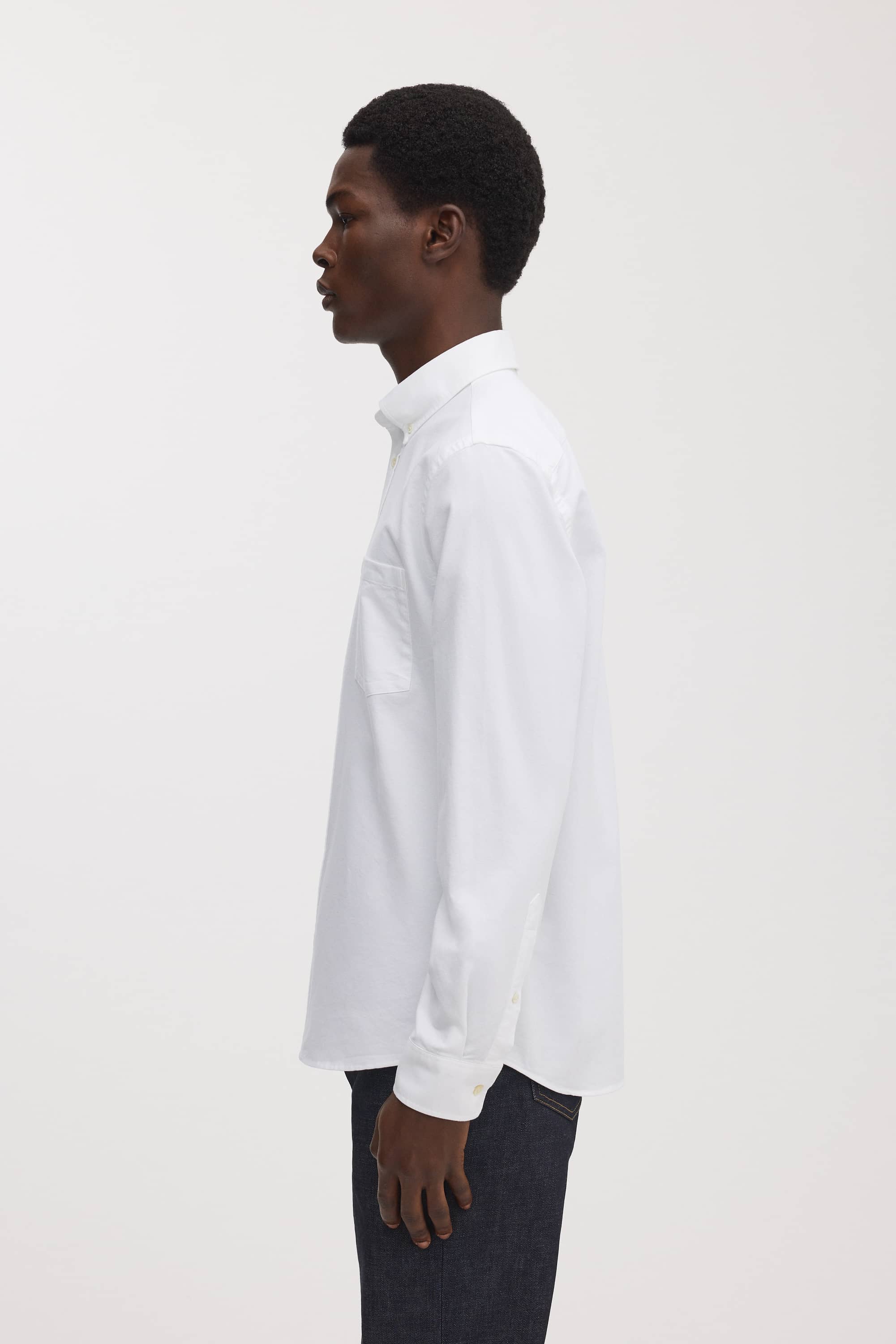
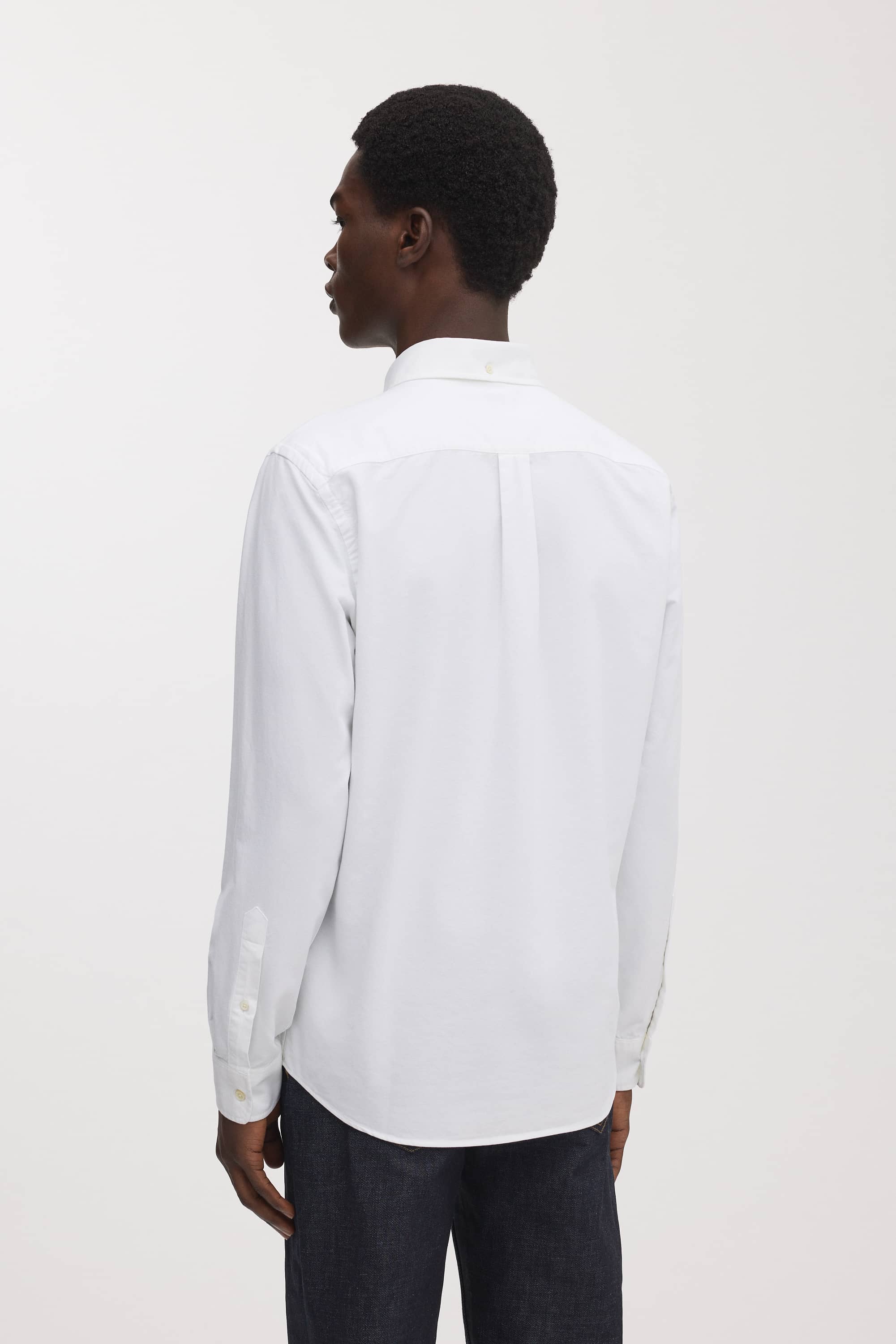
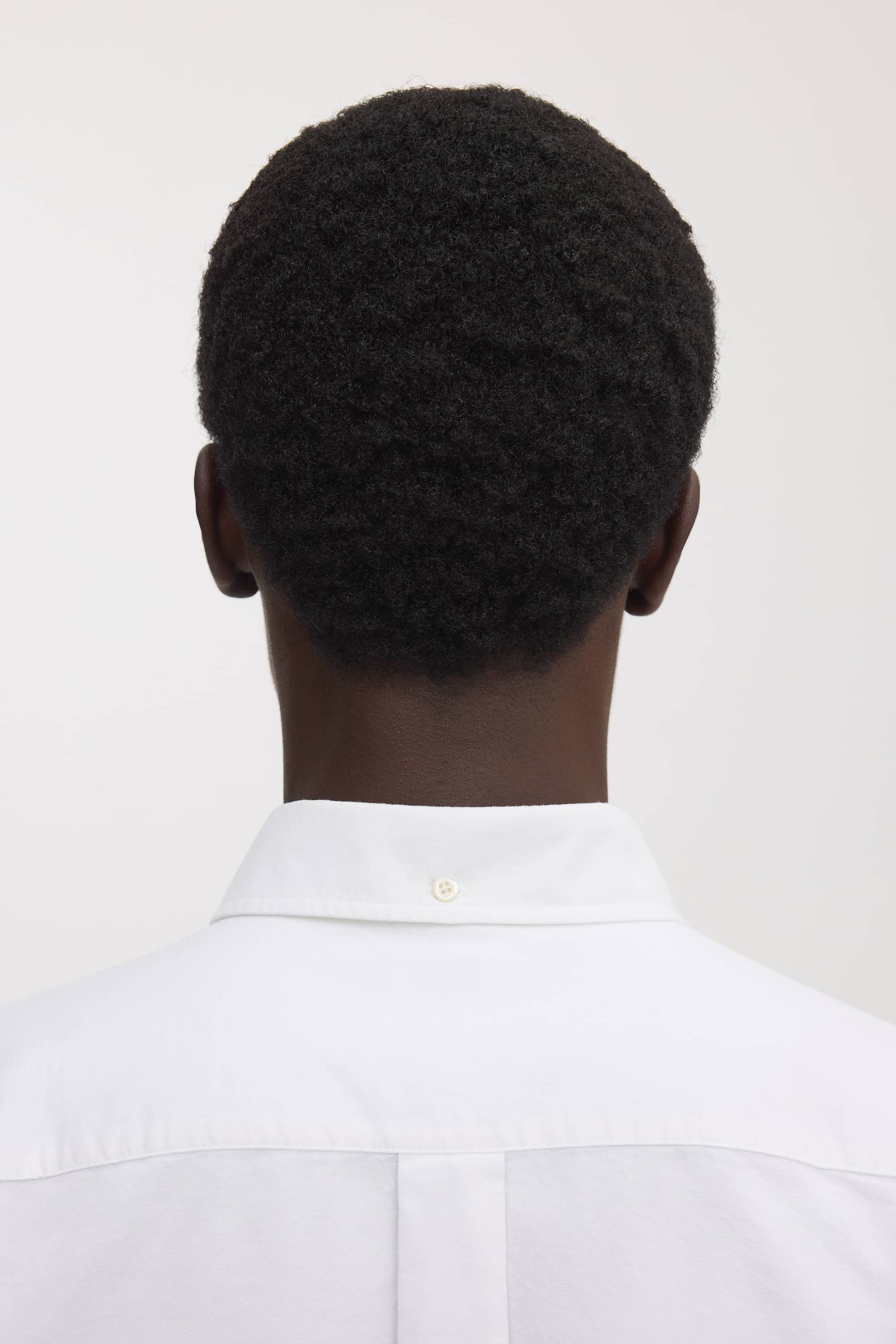
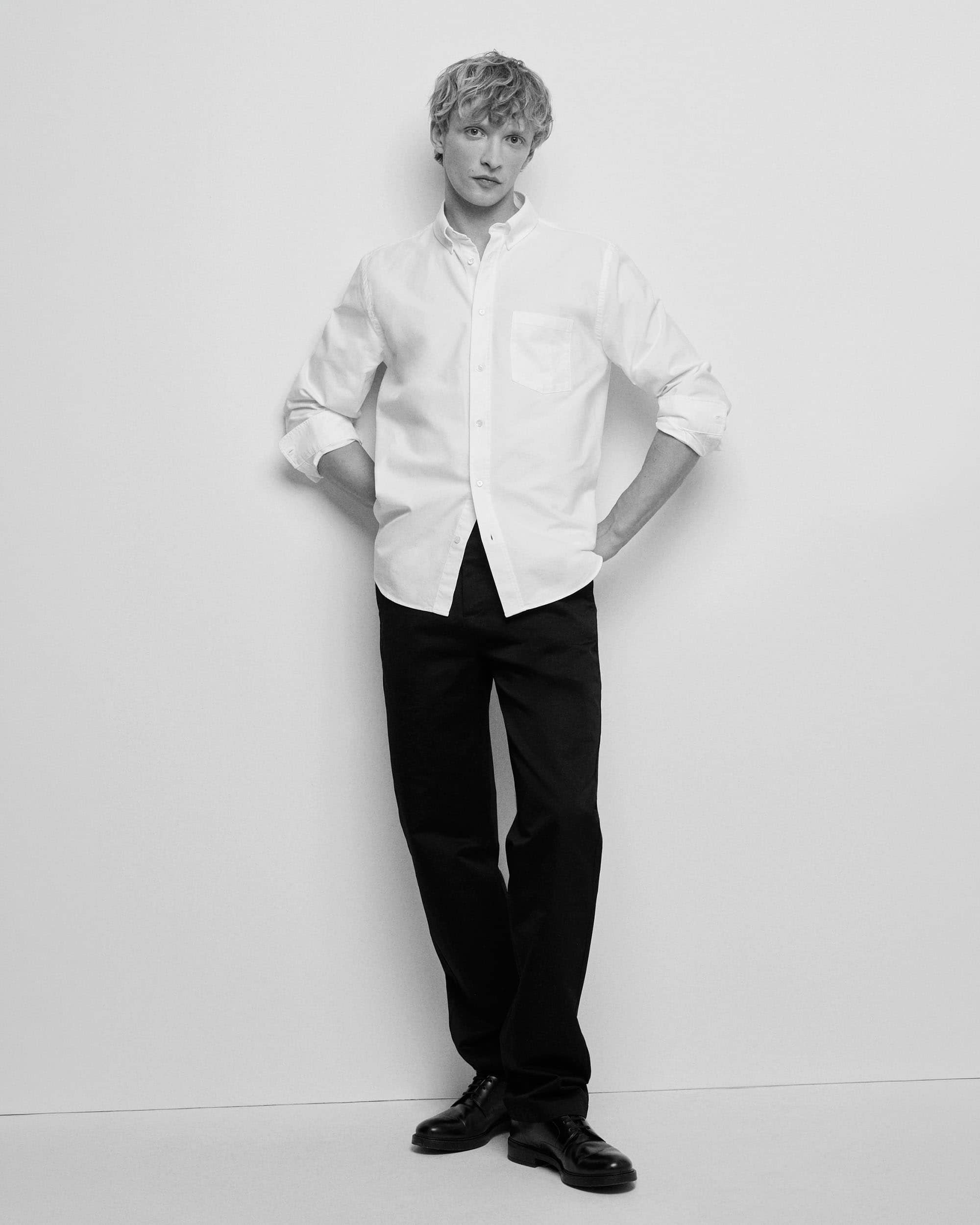
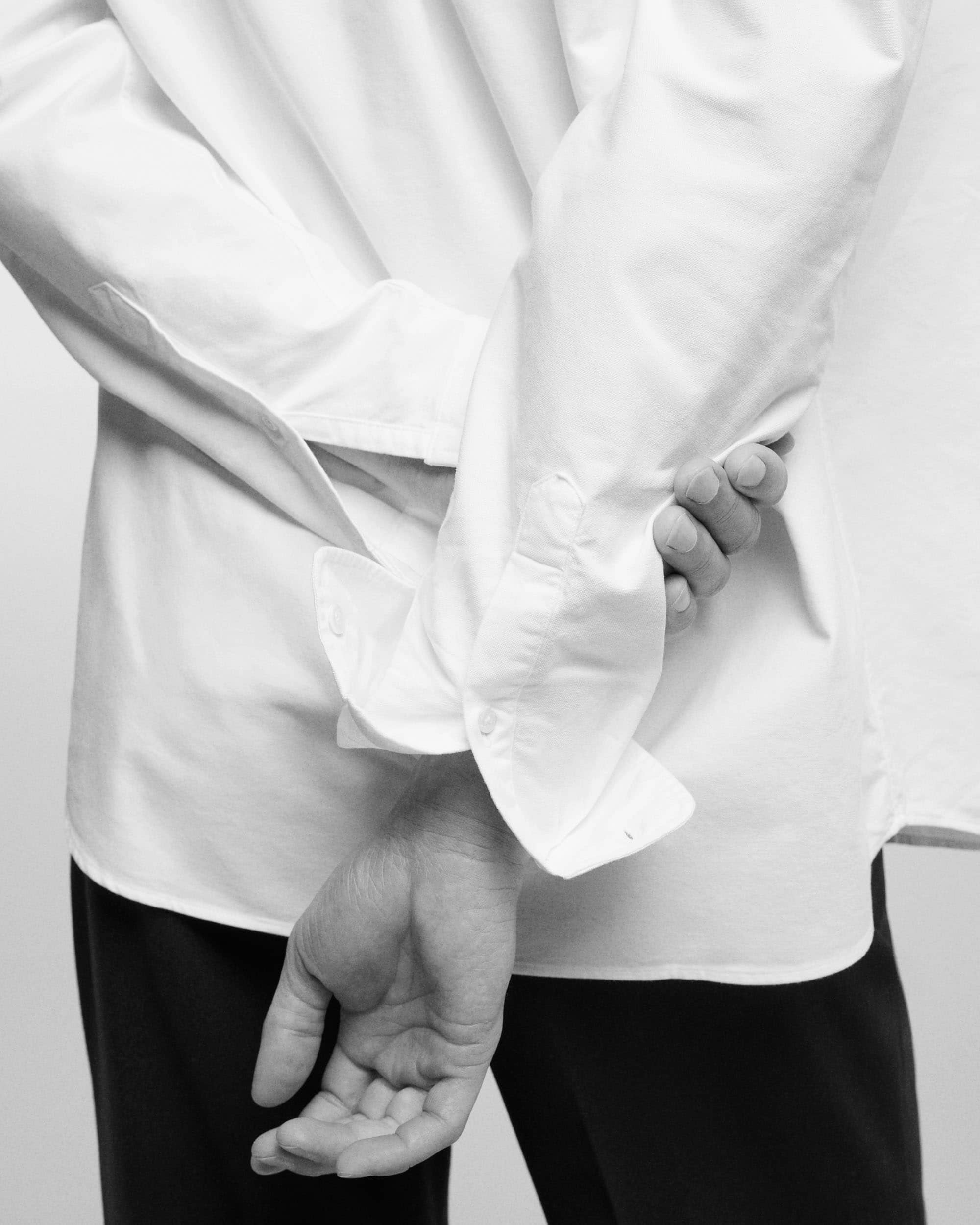
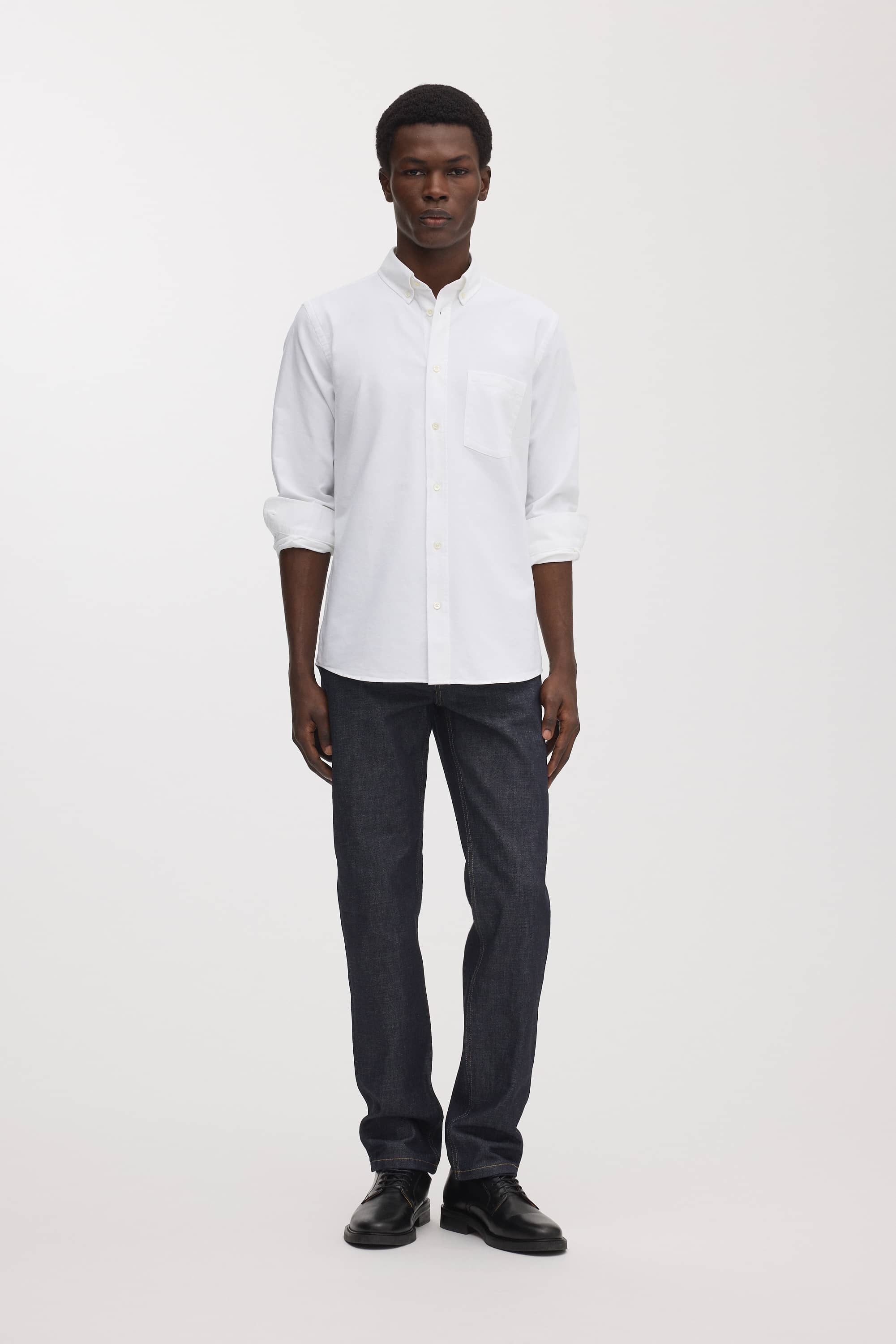
Originally sportswear for polo players, the Oxford shirt became a cornerstone of modern menswear. It sparked our race for traceability and is your workhorse shirt: Adaptable, durable and appropriate almost anywhere.
Release year
2016
Current version
1.5
Version remarks
Introduced brushed fabric after first batch, organic cotton since 2022, minor fit tweaks over time
Garment archetype
Late 19th century polo sportswear shirt
Fabric/Mill
Warp: Ne 38/1 Weft: Ne 24/2 175gsm oxford weave/Somelos, PT
"At some point in 2017 we discovered that our cited cotton origin for The Oxford Shirt had changed. Somelos were pioneering in their support for traceability and helped us retrace The Oxford Shirt. The Oxford Shirt became the poster child of Full Transparency and our ongoing commitment to trace every single garment, component by component, process by process. A journey that continues to this day."
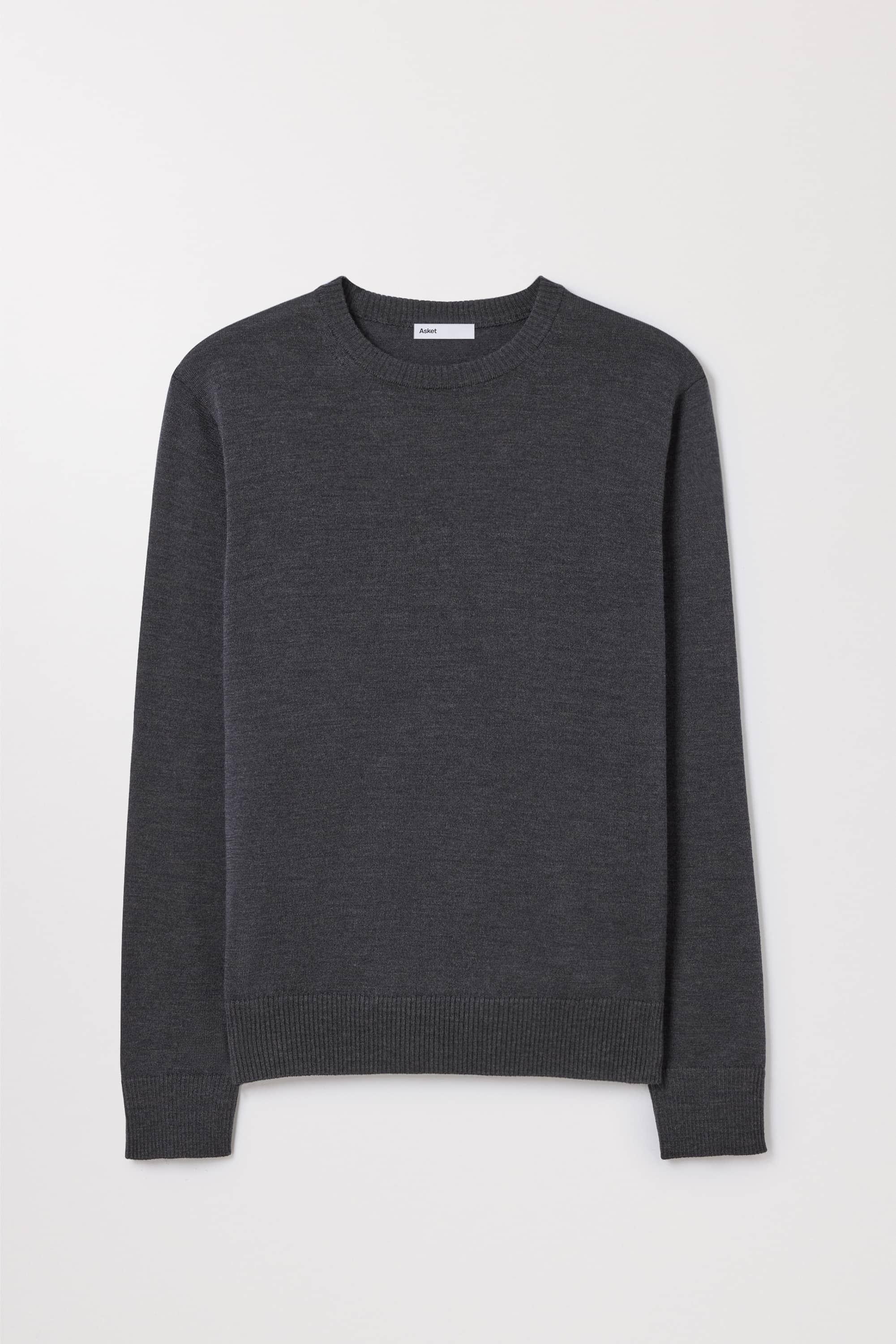
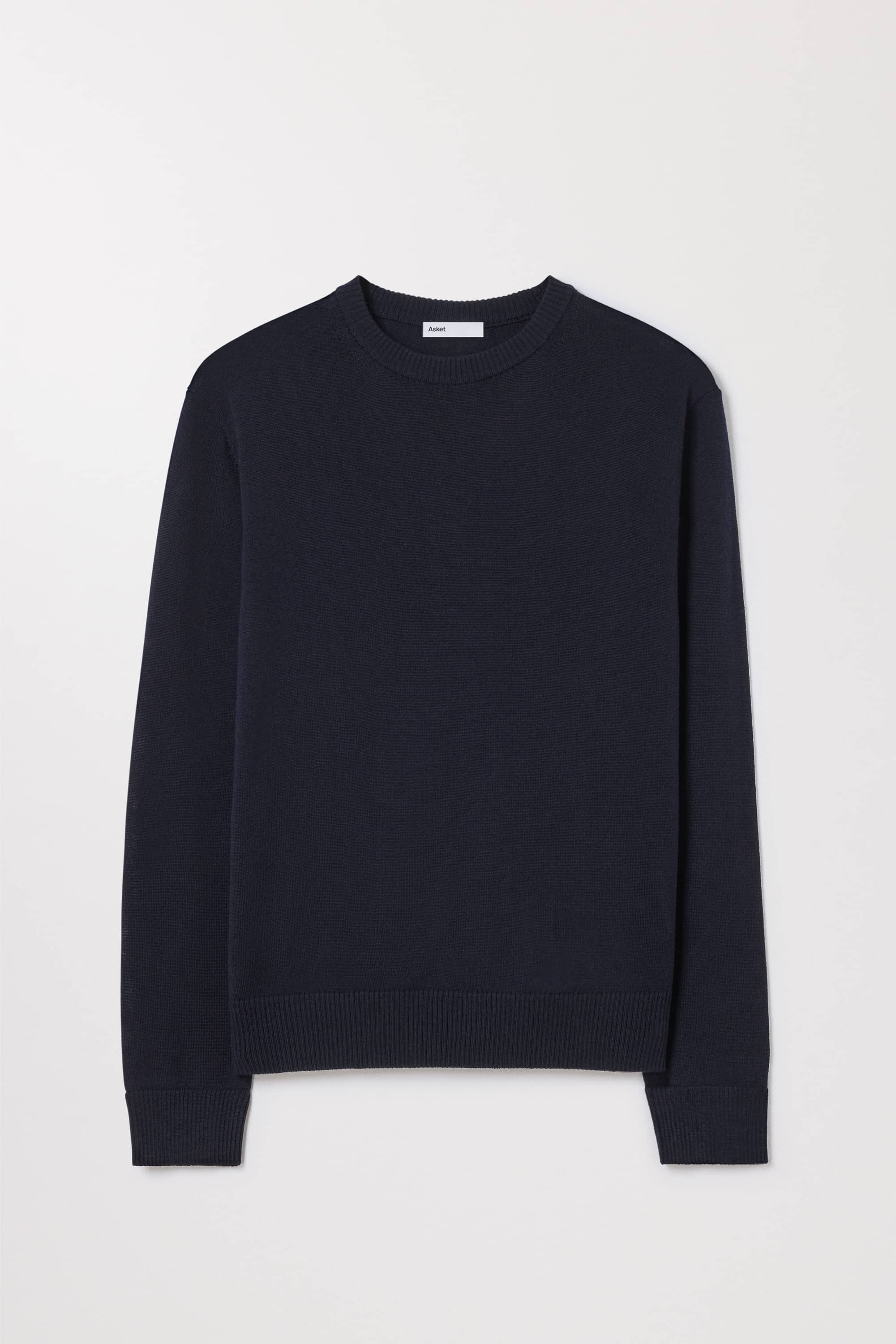
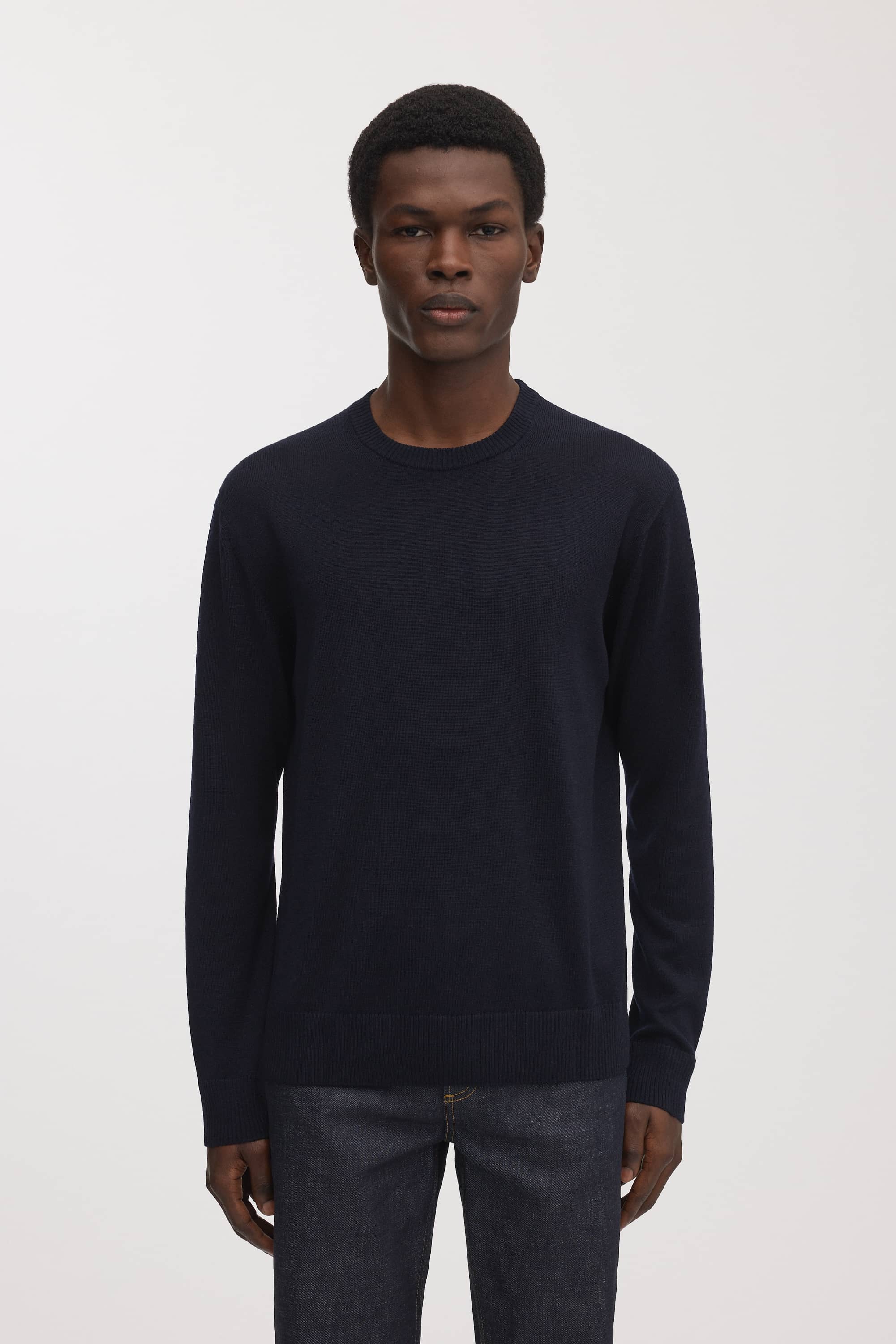
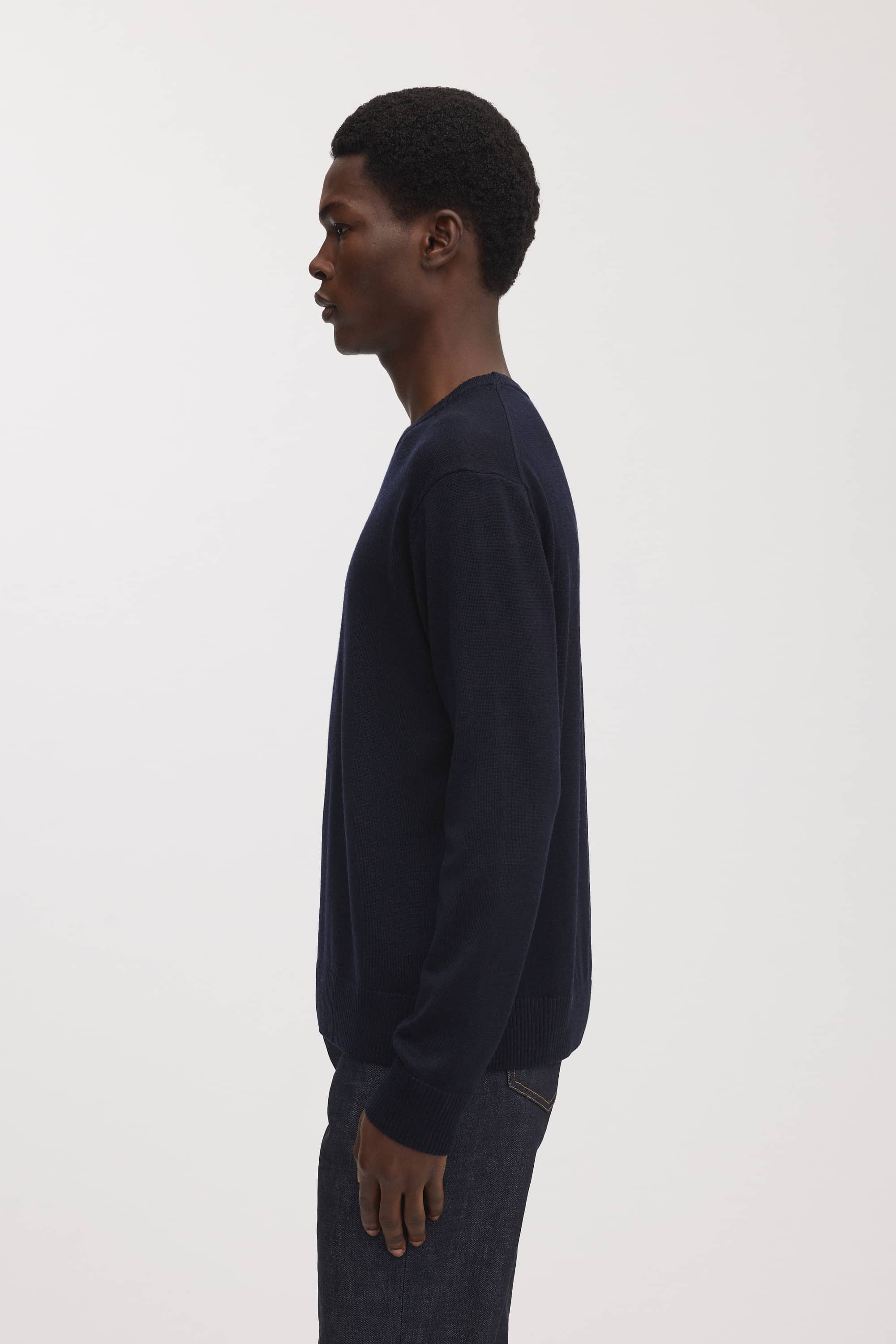
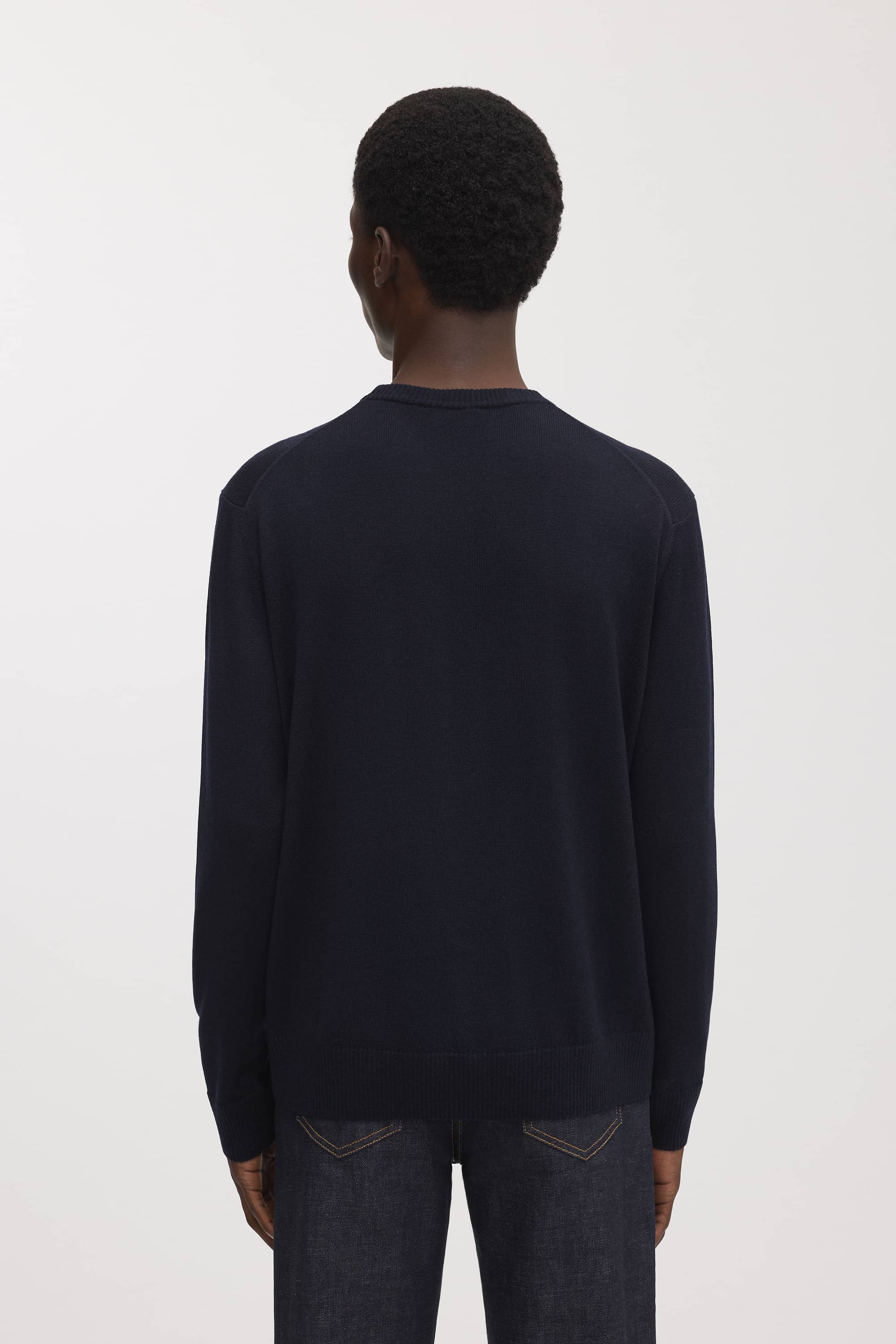
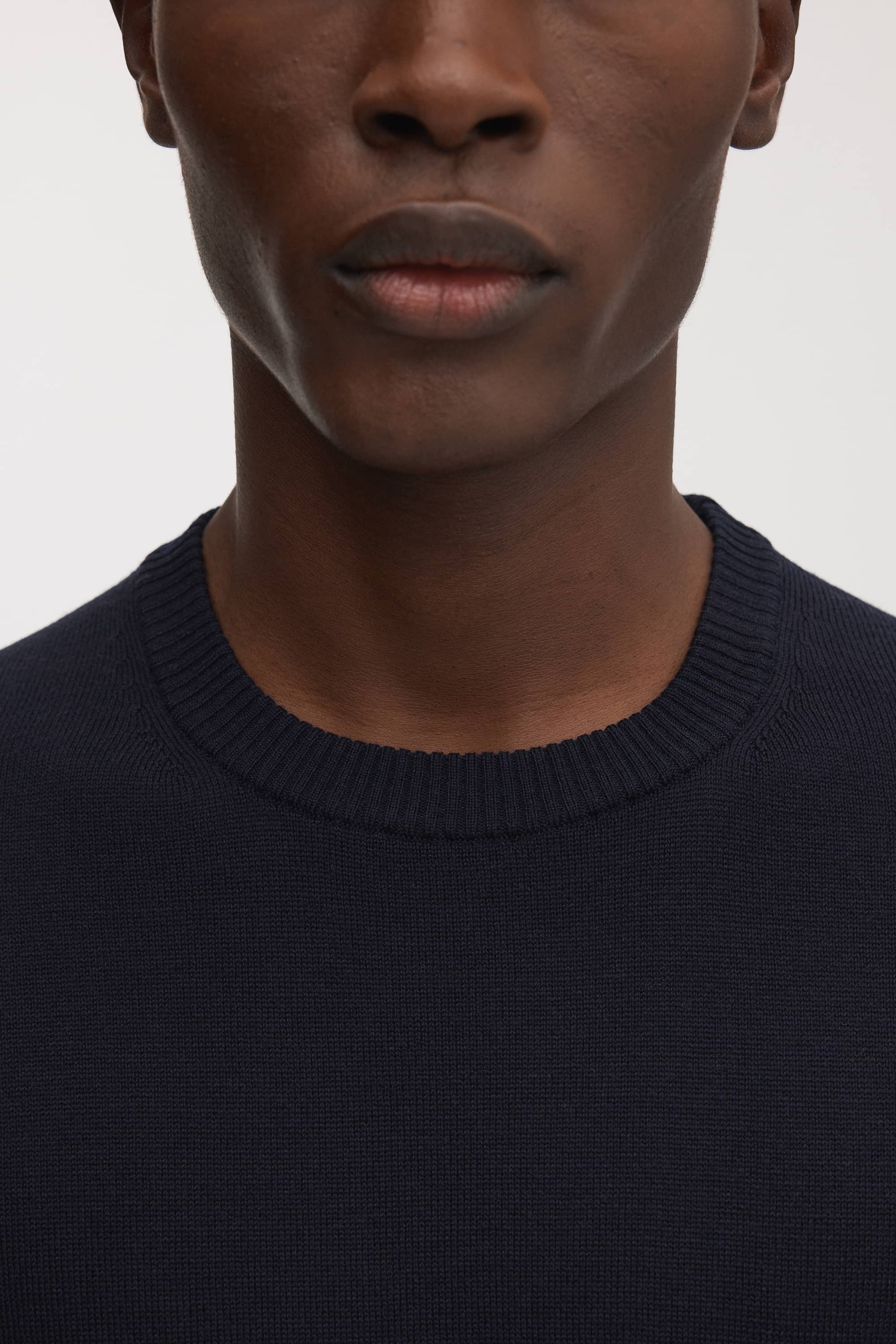
With natural warmth, breathability and resilience, Merino wool is a product of nature's ingenuity. Its adoption in our collection put the spotlight on animal welfare and land management. If you'd get just one knit, this is the piece: comfortable across all seasons, refined without being precious.
Release year
2016
Current version
1.4
Version remarks
Fully traceable since 2019, from regenerative farms since 2025, minor fit tweaks over time
Garment archetype
Late 19th century insulation for workwear, military uniforms, and civilian daily wear.
Fabric/Mill
NE 2/30, 18 gauge, Filatura Tollegno 1900, IT
"To achieve traceable merino for our Fall/Winter 2019 production, we had to commit to 4 tonnes of wool in 2018. A commitment representing more than 10 times the merino sweaters we'd ever sold. Once committed and traced, we visited the farm in Australia and discovered that it didn't live up to our animal welfare standards. The garments were already made, so no going back - but the year after we moved to Nativa certified farms in South America."
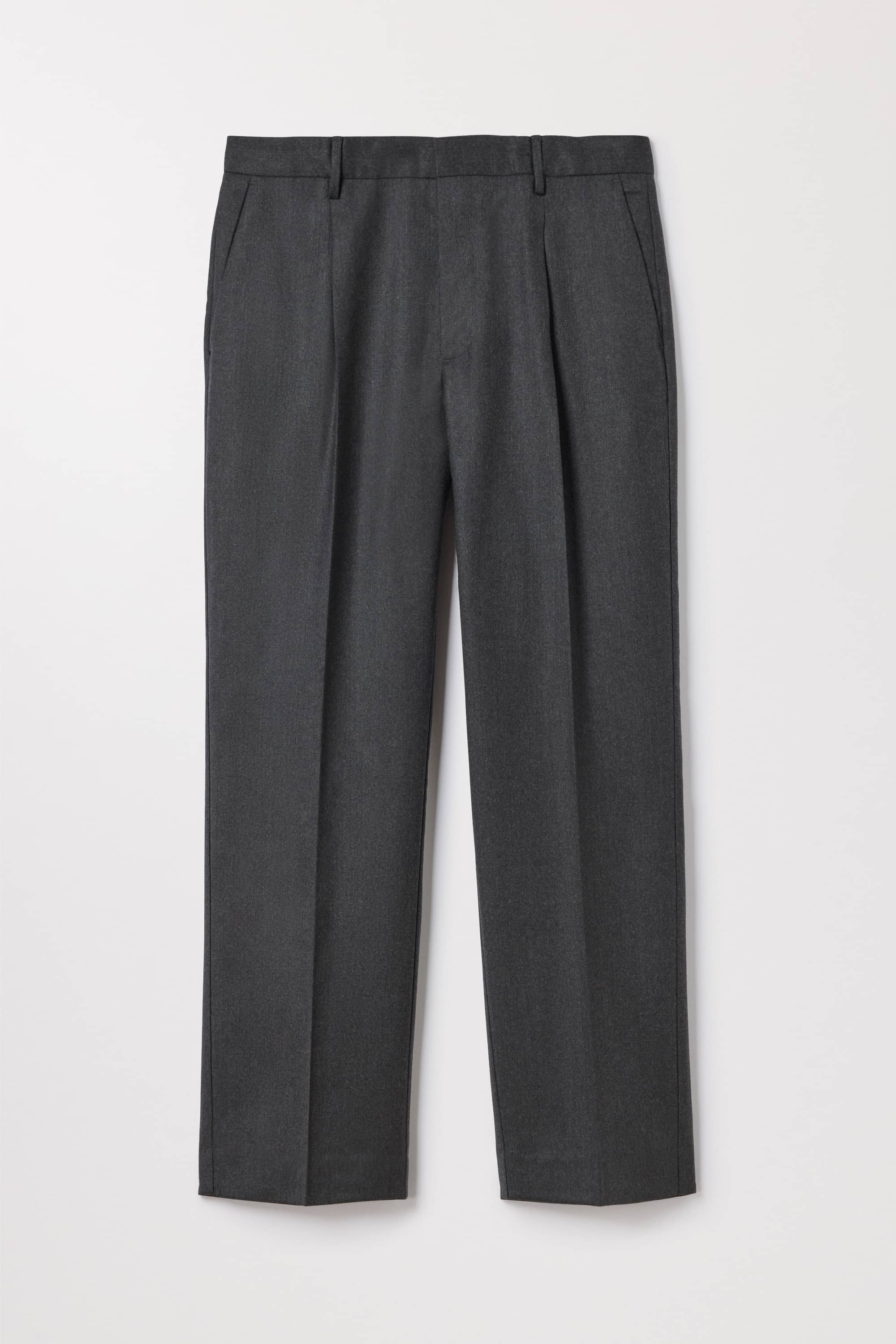
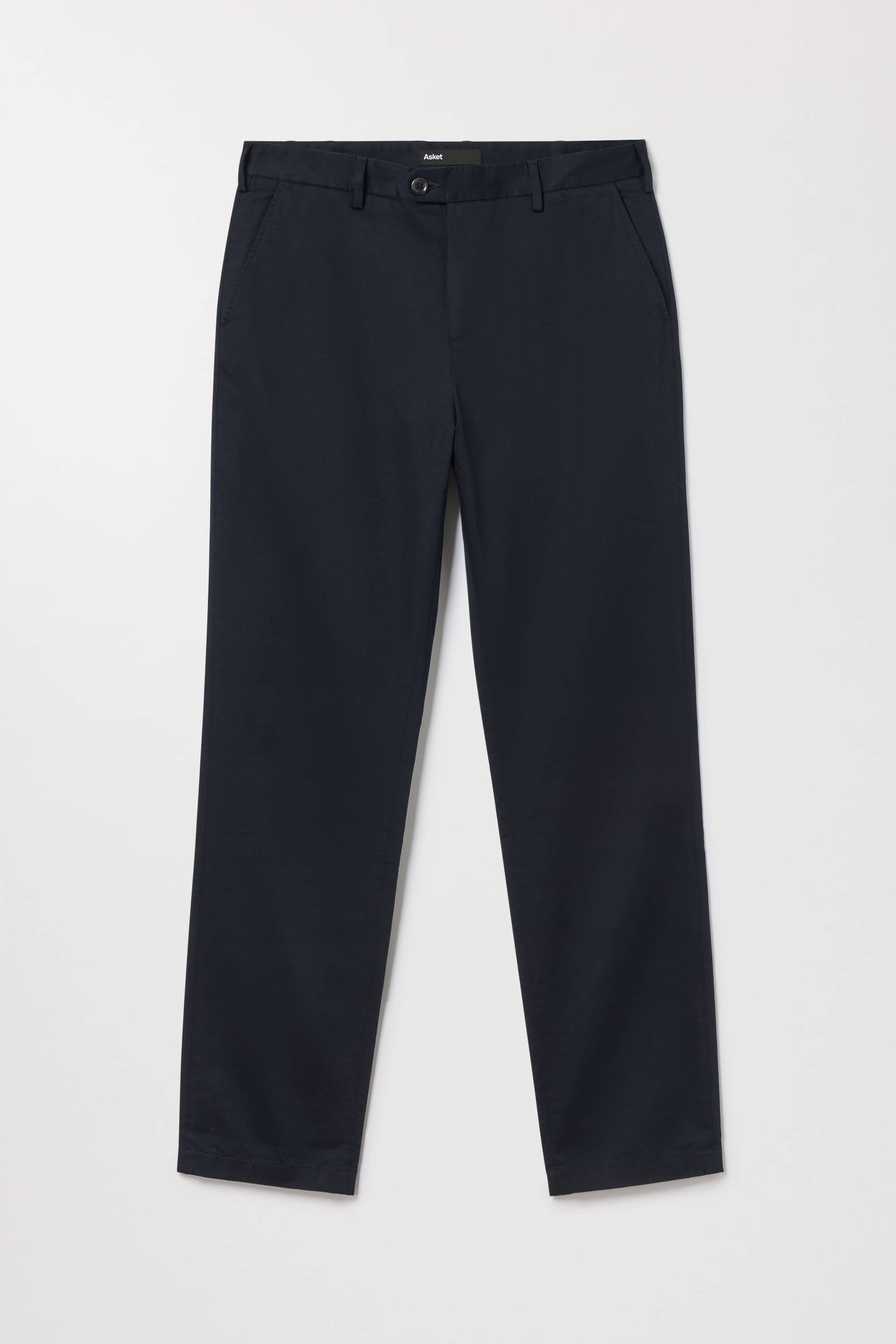
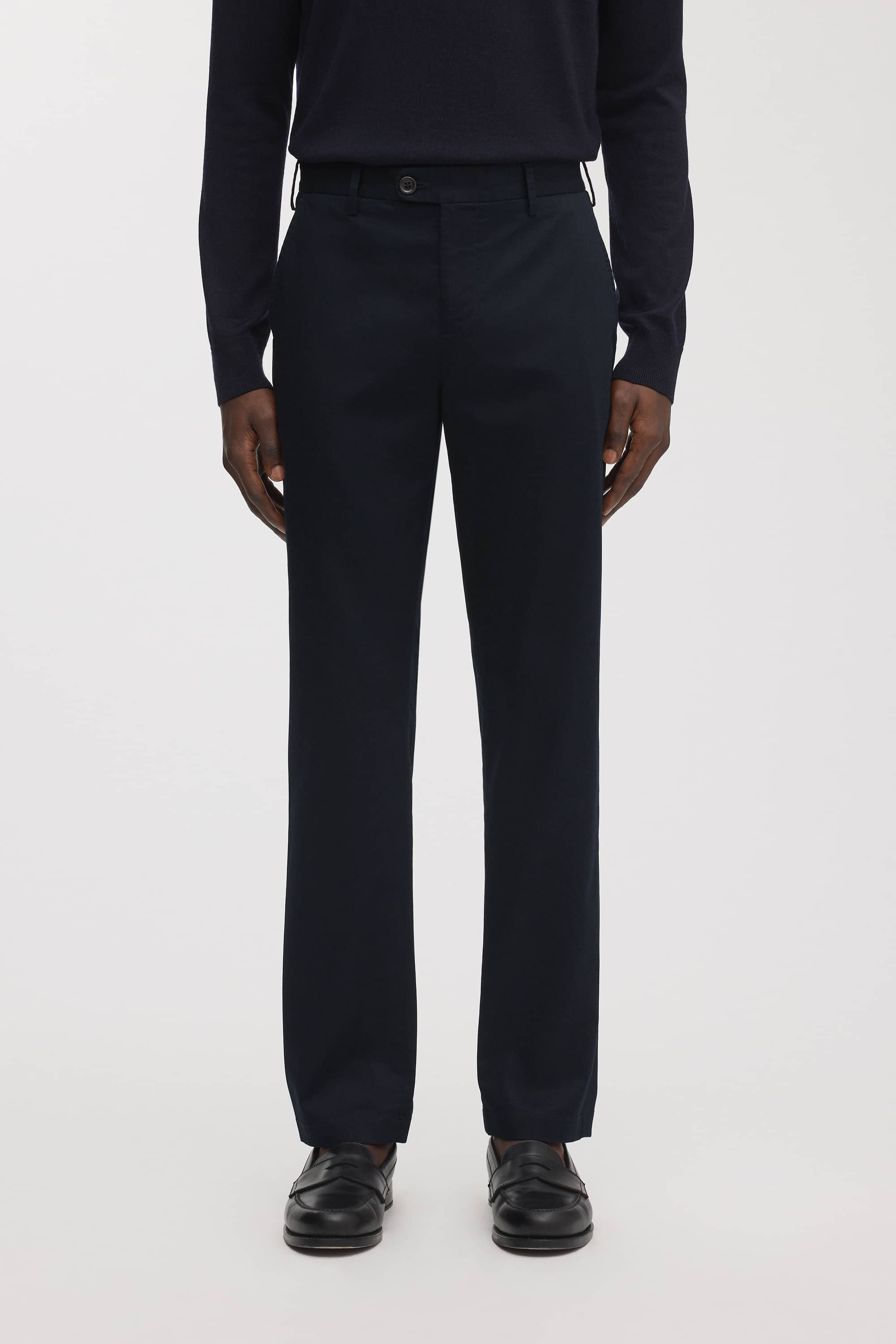
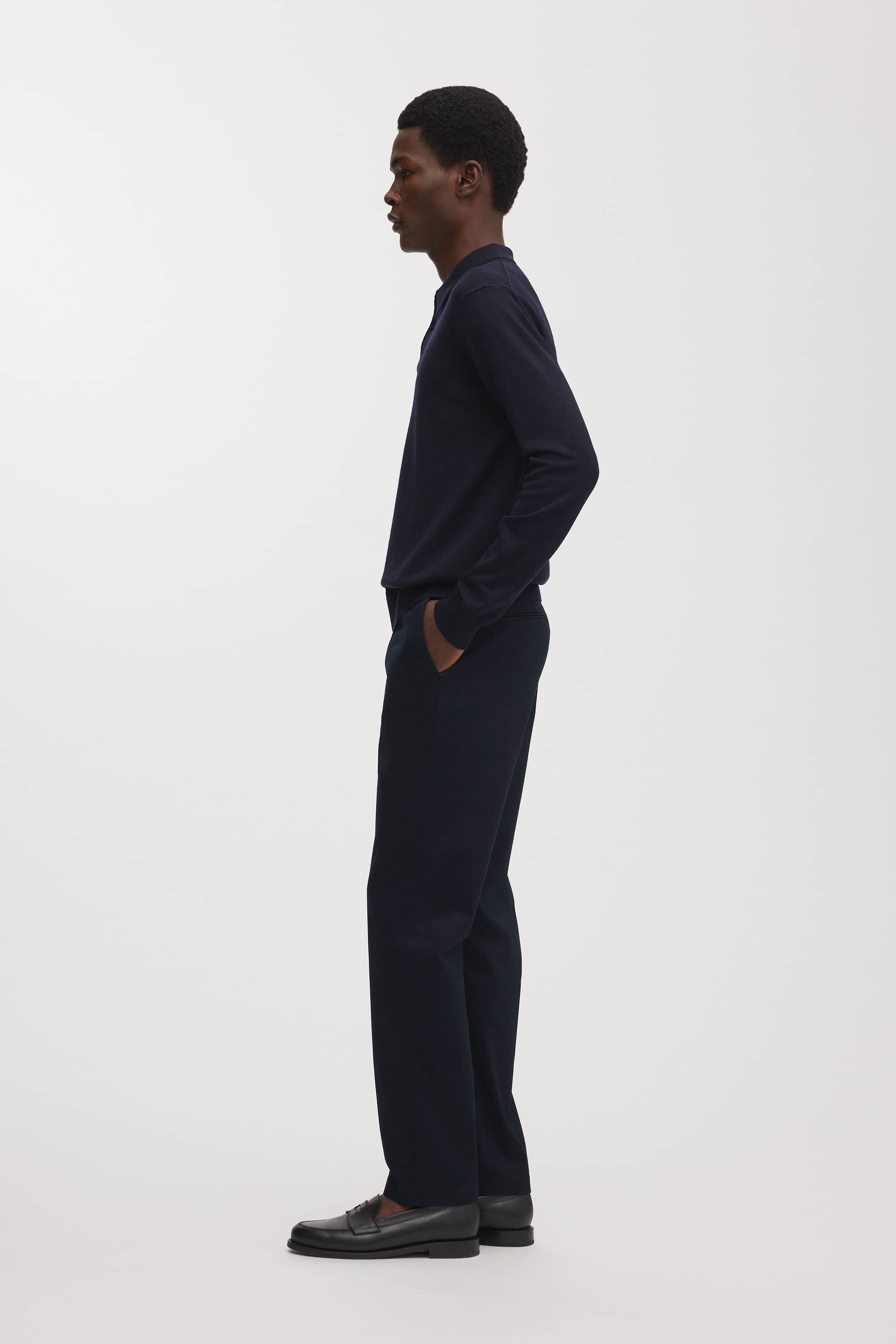
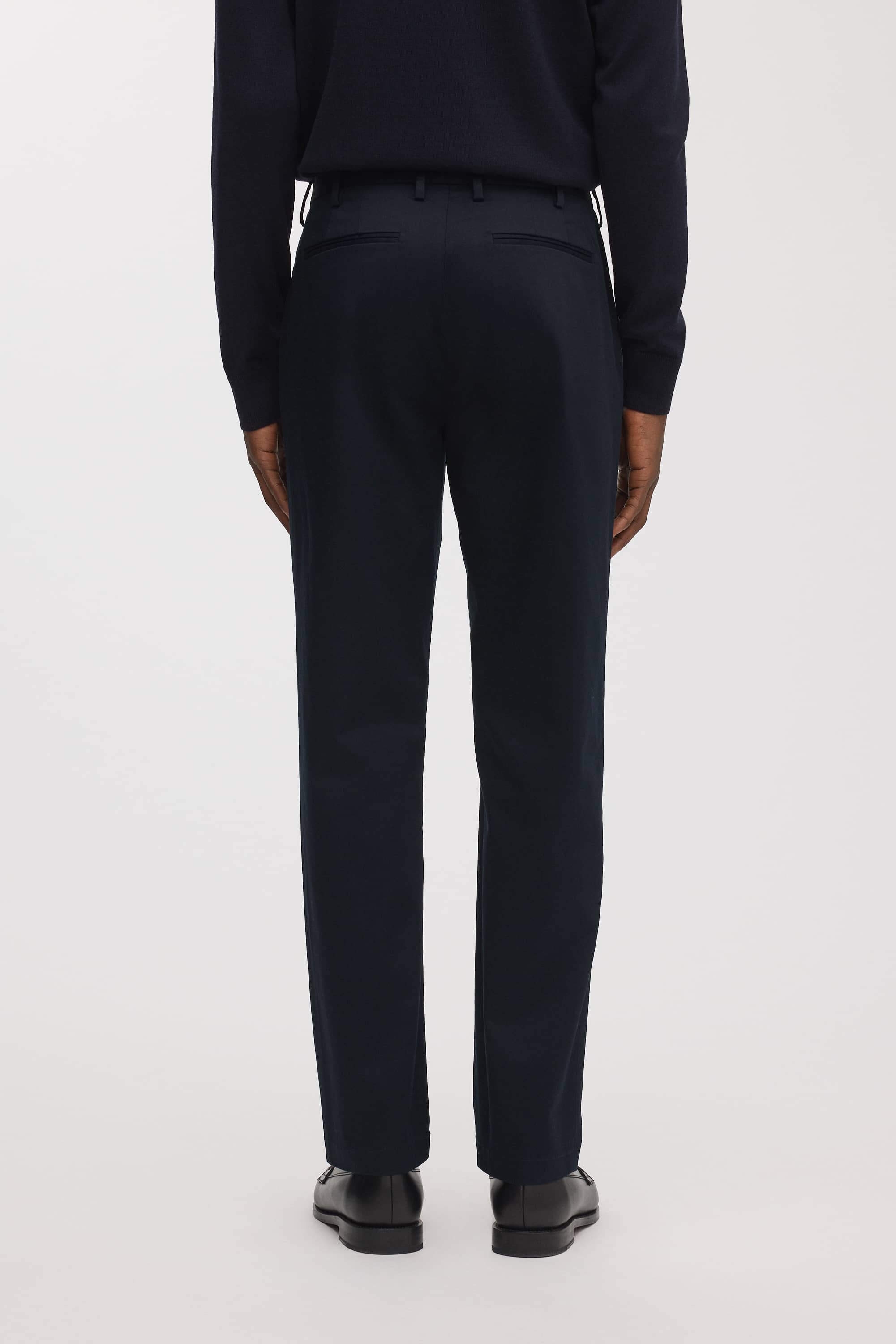
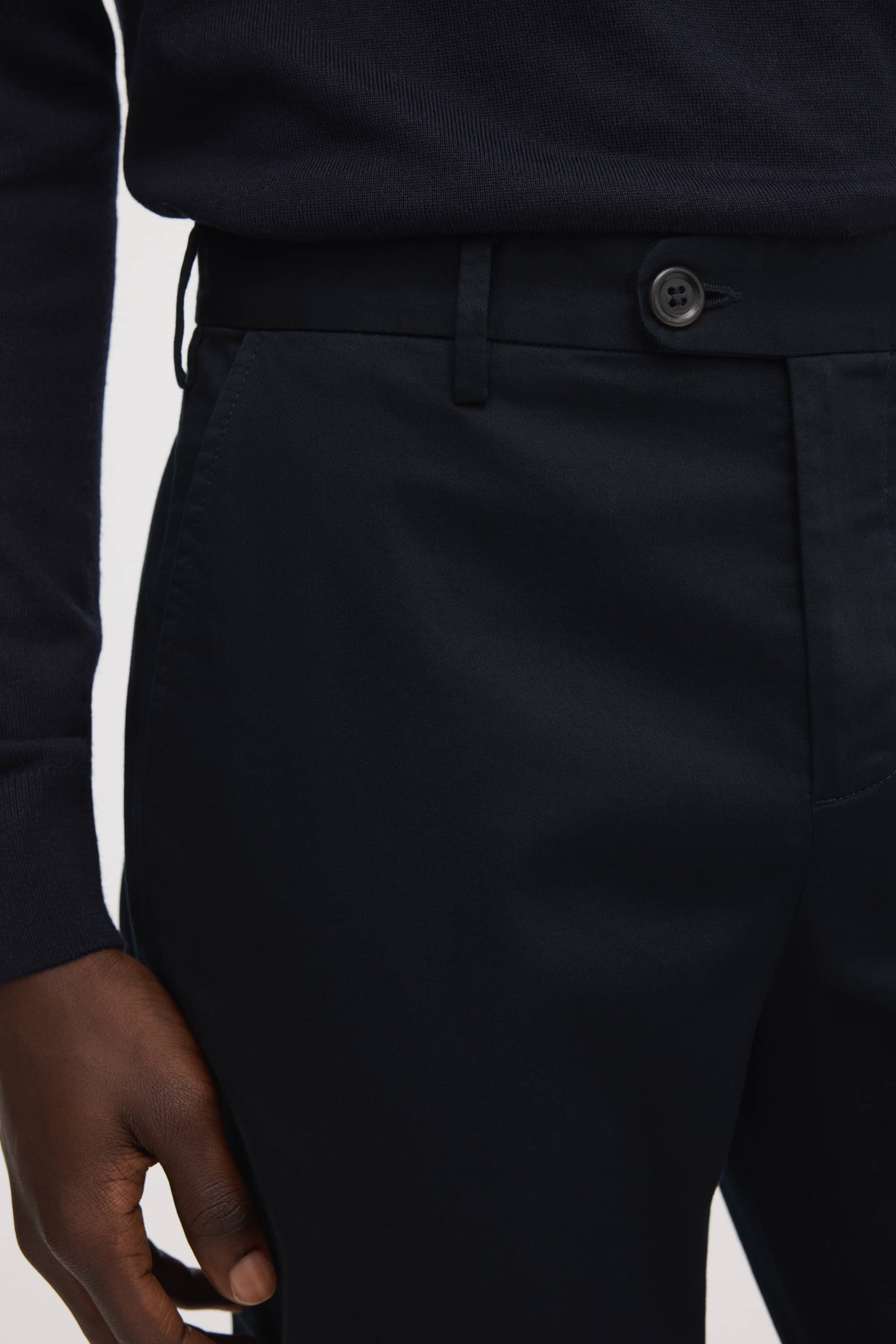
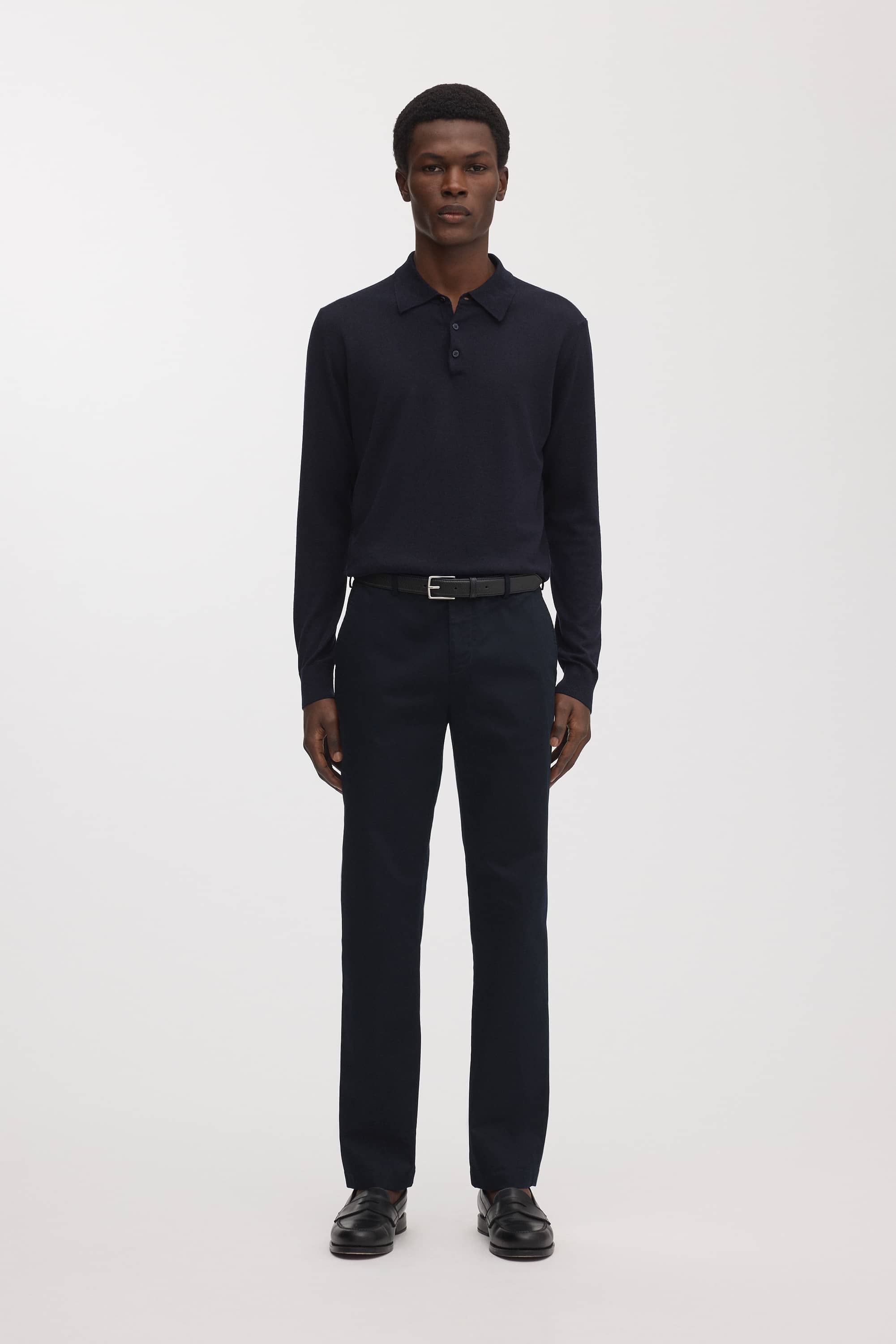
Our first trouser — and a lesson in restraint. Quietly refined over time, even when changes weren't universally welcomed. In your wardrobe, it's an elevated trouser, good for everyday wear.
Release year
2017
Current version
3.1
Version remarks
Removing fabric brushing, organic cotton since 2022, introduced in two fits in 2024
Available fits
Slim, regular
Garment archetype
Military uniform trousers, mid-20th century
Fabric/Mill
260gsm sateen weave, Tessuti Italiani (TBM), IT
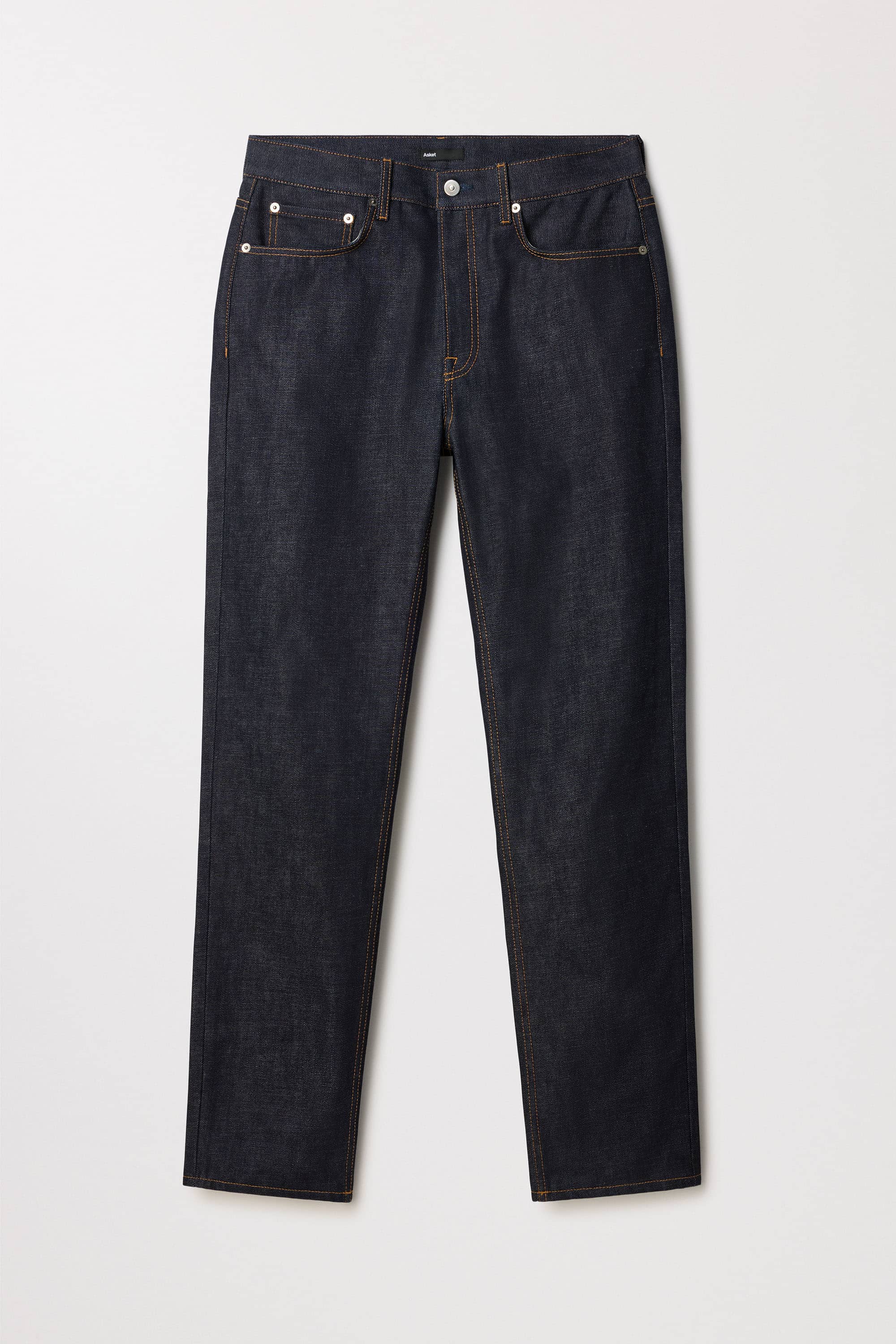
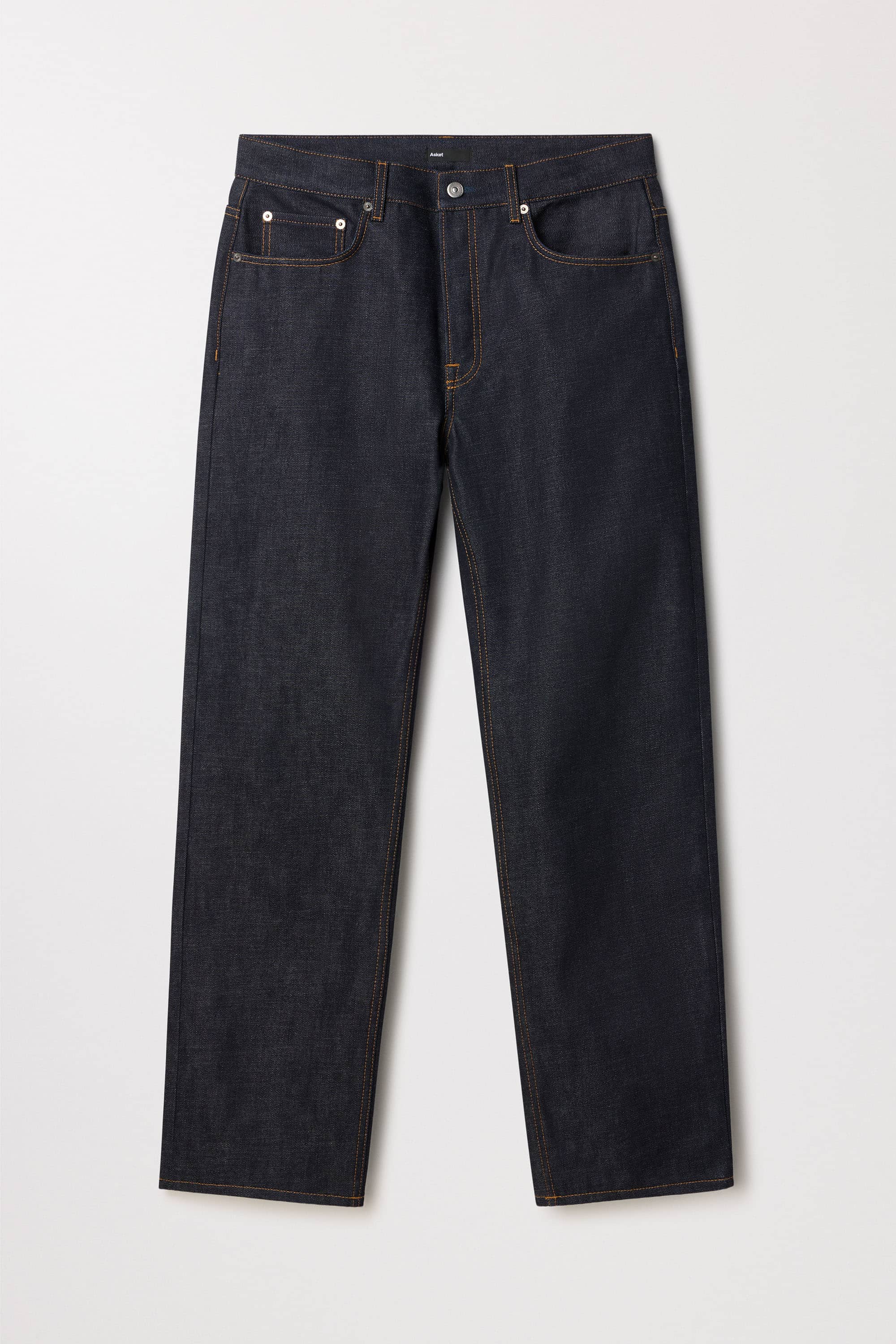
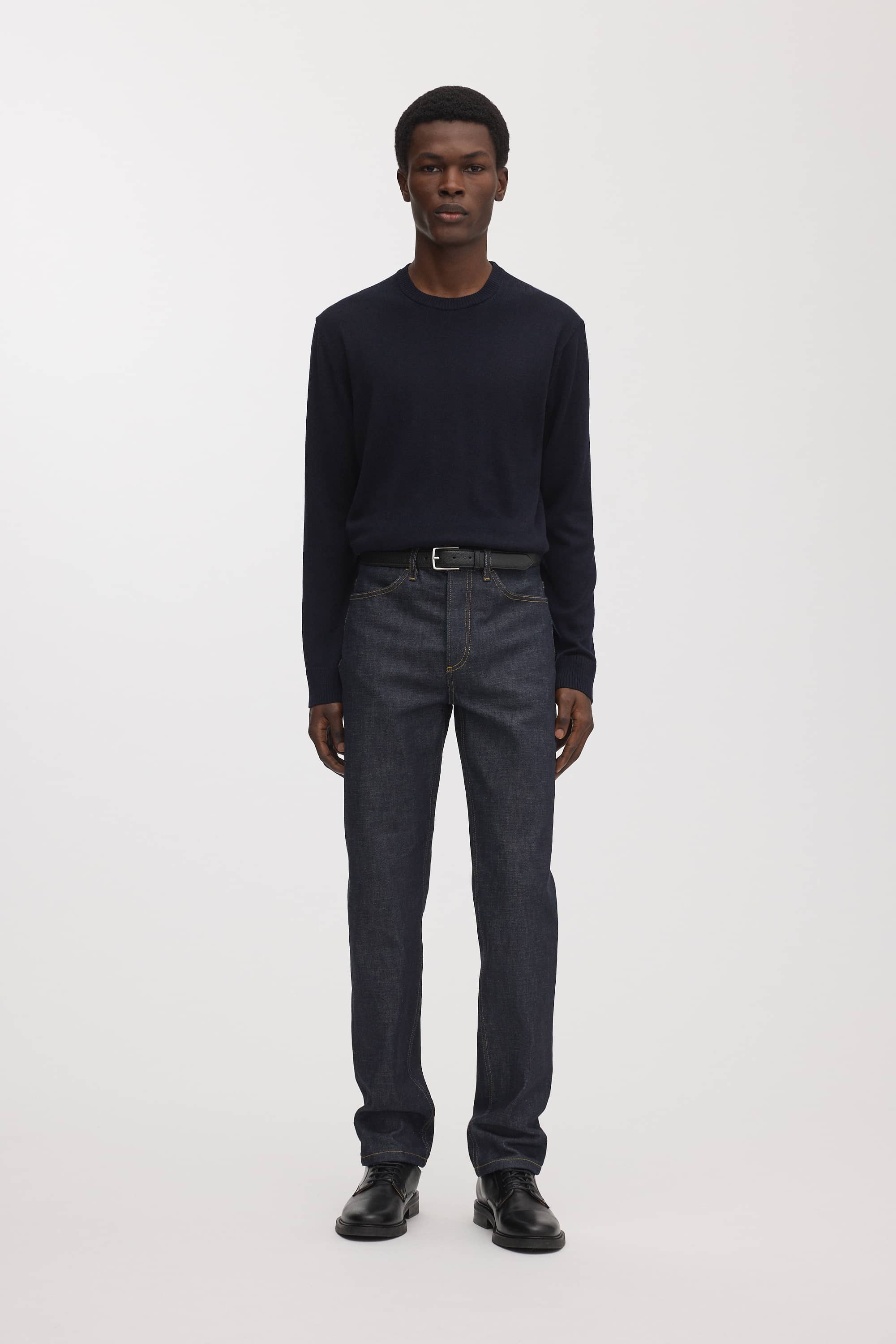
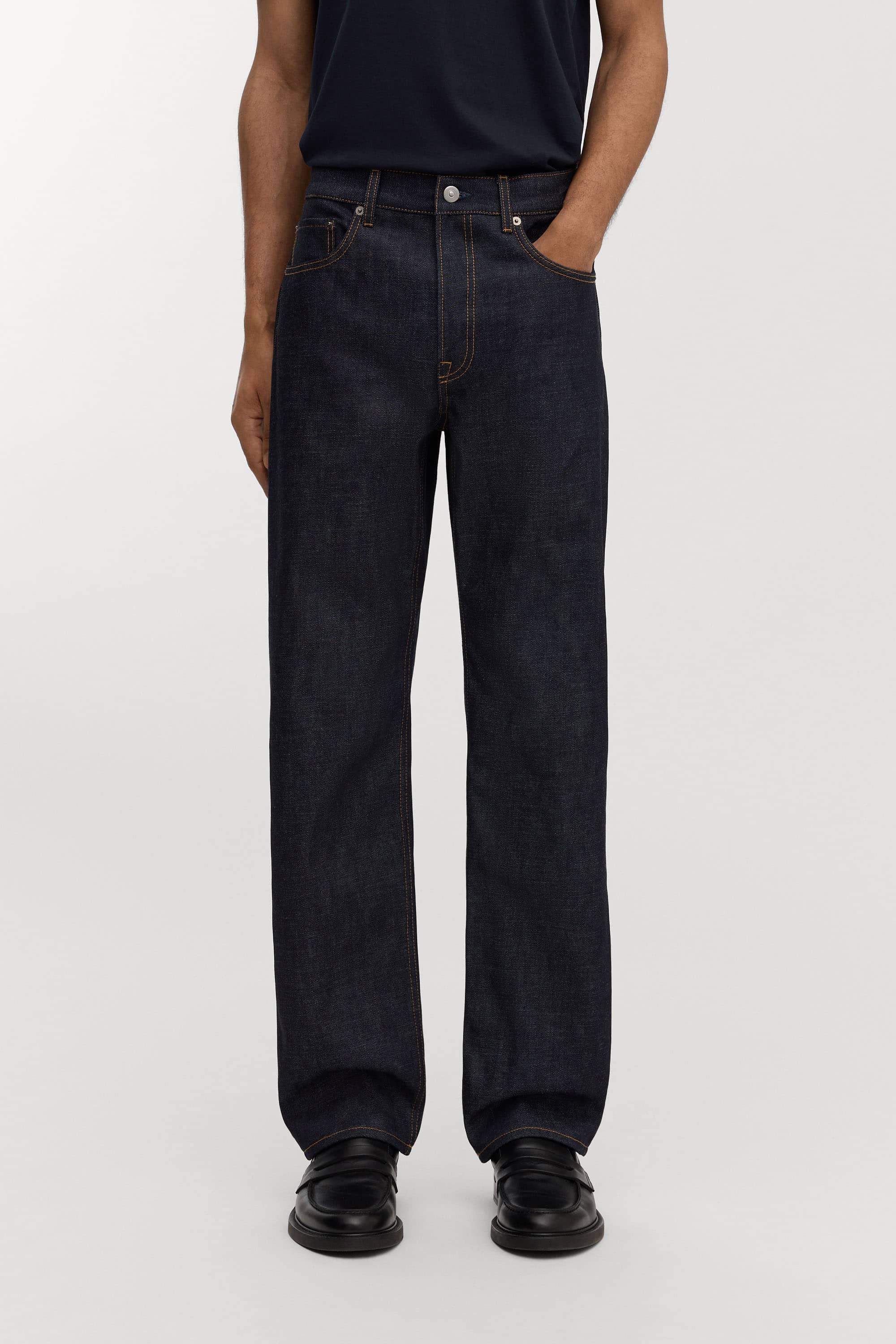
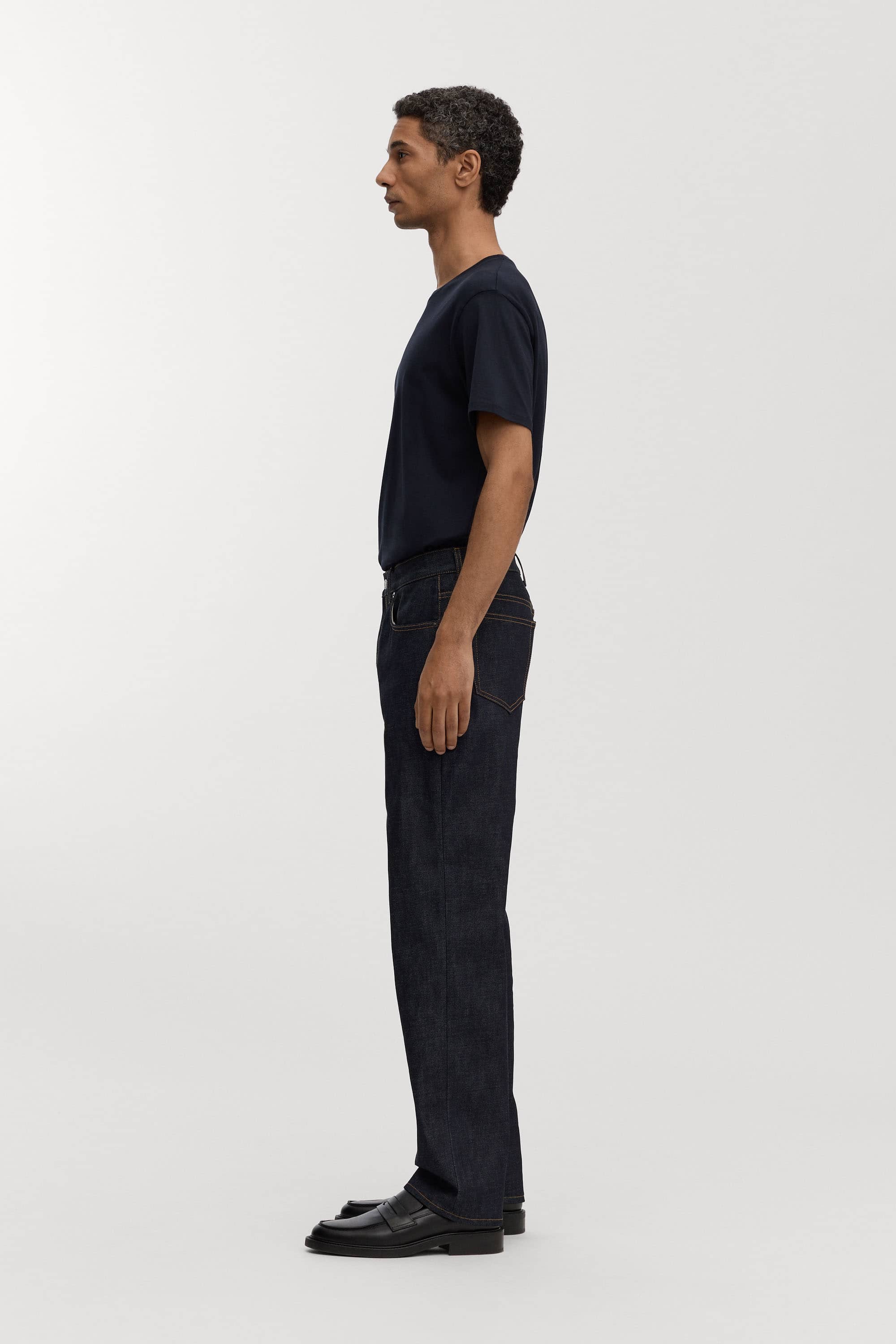
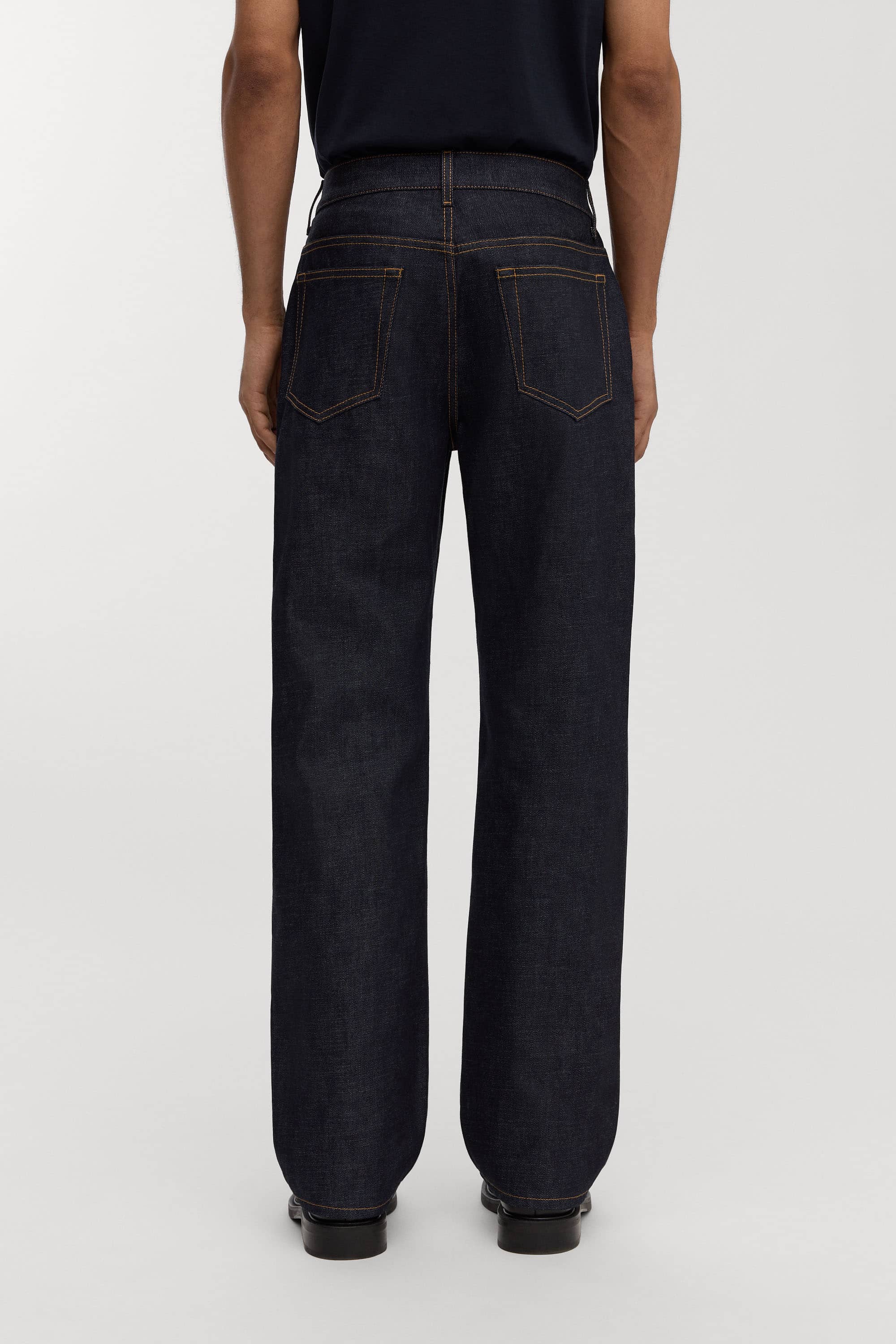
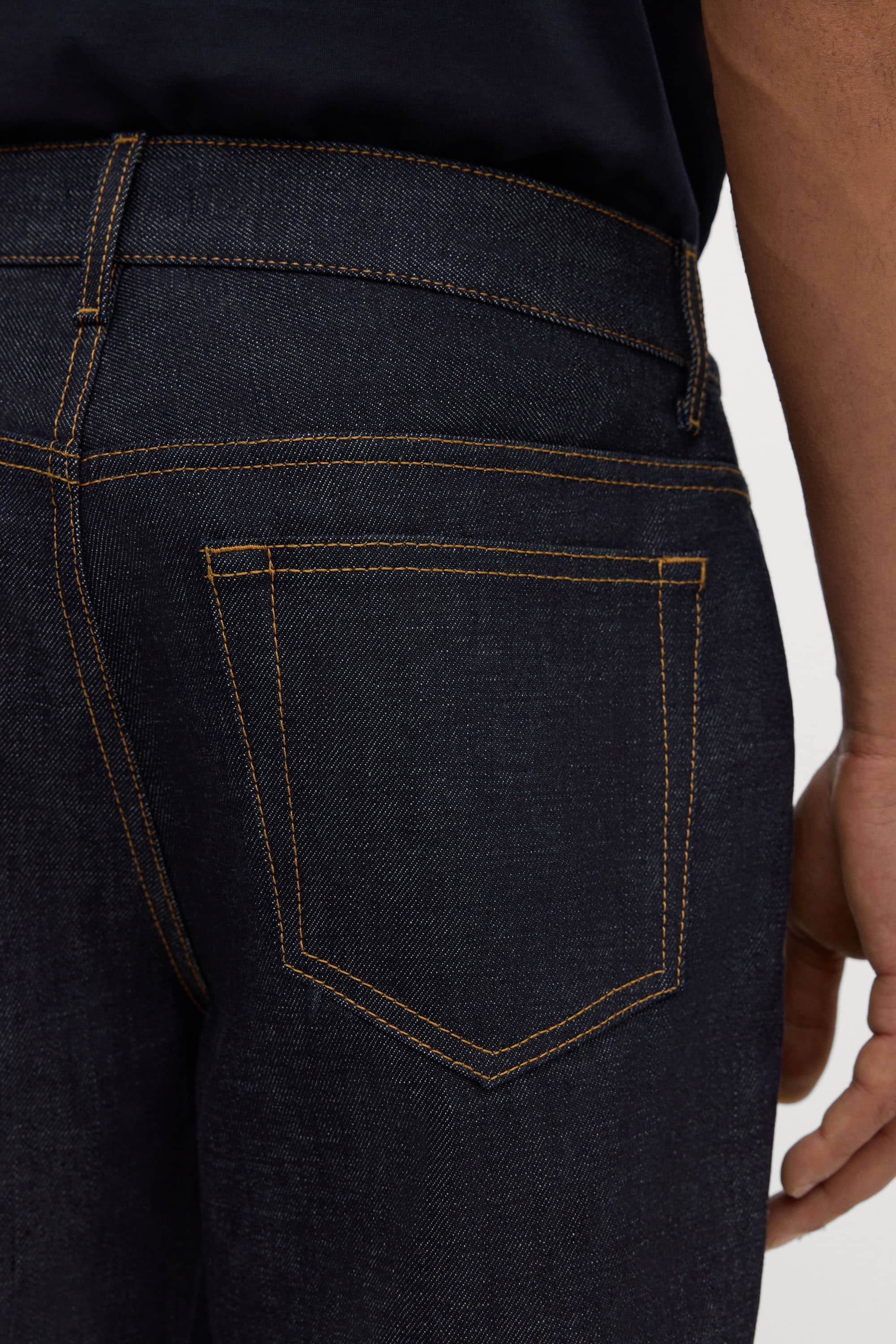
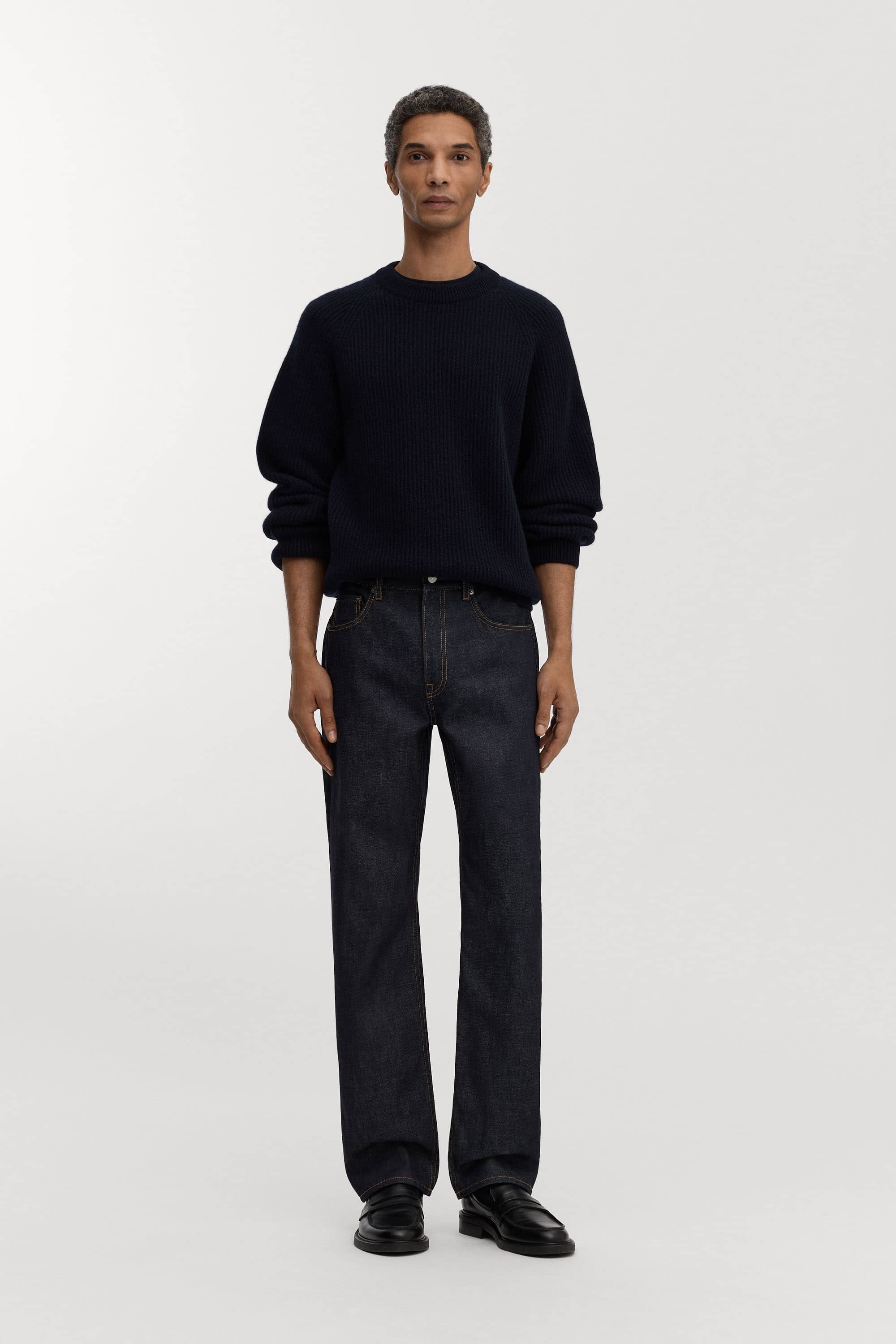
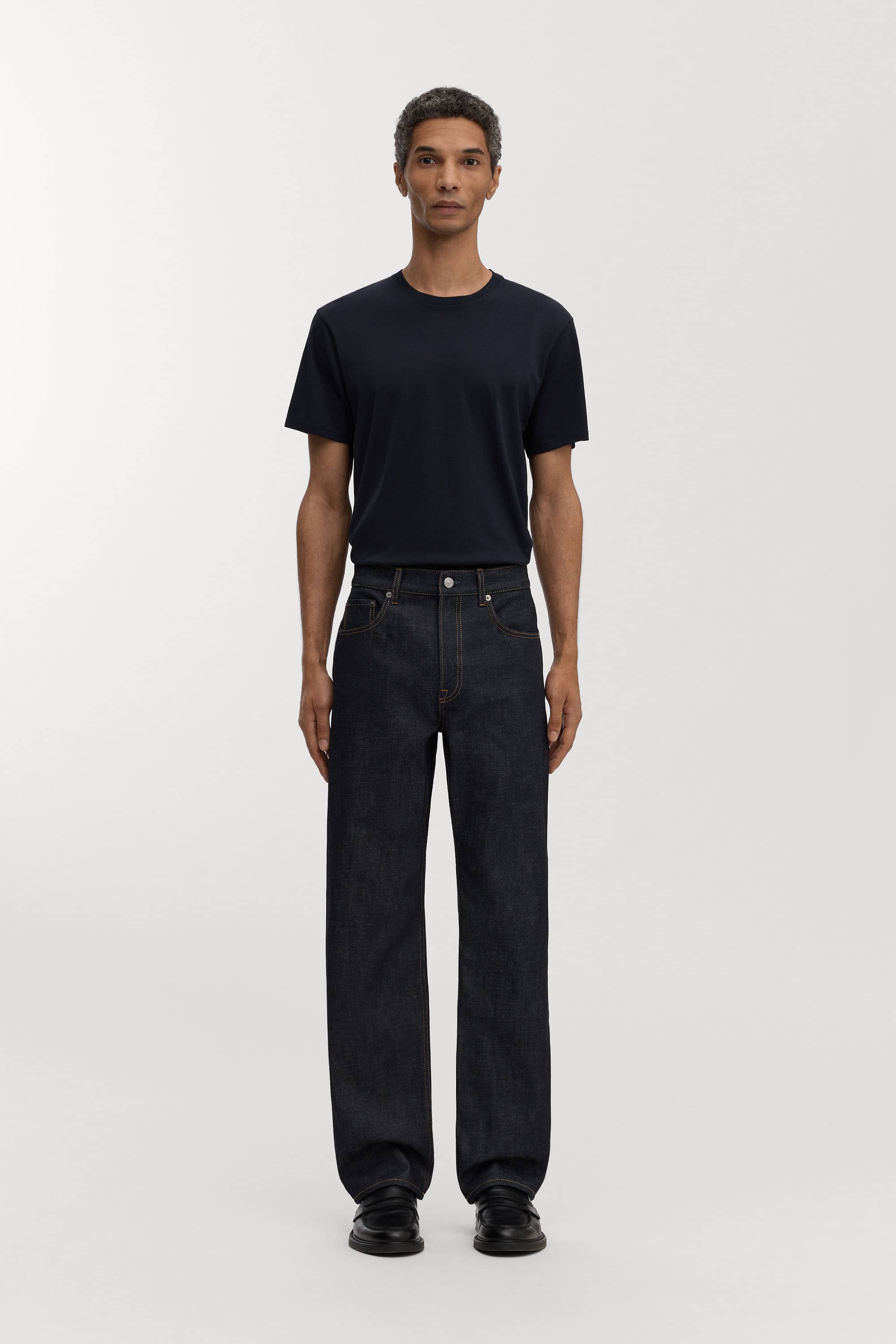
Sourcing raw denim from Japan taught us that heritage matters most when it improves the result. While selvedge has become a symbol of quality, it isn't automatically a better denim. With shorter and slower looms, it's more resource intensive, but not objectively better. We opted for a 3/1 denim twill woven on a jet loom using a heritage, ring spun and rope dyed yarn. In your wardrobe, it's the long-term piece — designed to break in visibly and personally.
Release year
2018
Current version
2.0
Version remarks
Organic cotton since 2021, available in three fits since 2025
Available fits
Slim, regular, loose
Garment archetype
Industrial workwear denim, late 19th century
Fabric/Mill
Rope dyed and sanforized 3/1 twill/Kurabo Industries, JP
"Our first piece of denim took us all the way to Japan. An iconic trip, highlighting both mutual values and conflicting cultures, taught us what makes denim great. Beyond over half a century old machinery that produces unique yarns, secretive rope dyeing techniques, and uncompromising finishing processes, it's the genuine pride in every step of the value chain that makes the difference."
Japanese Weaving Facility, 2018
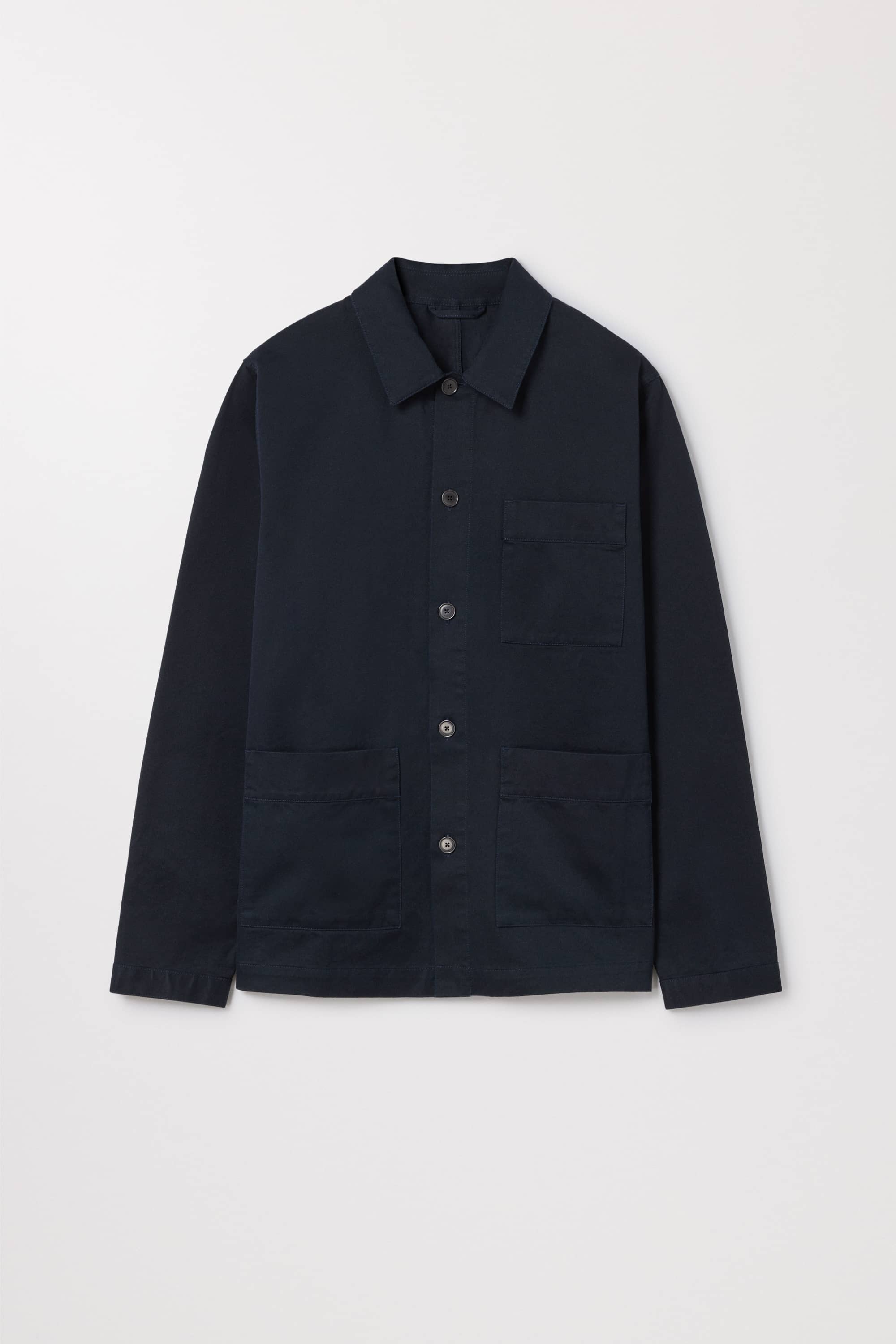
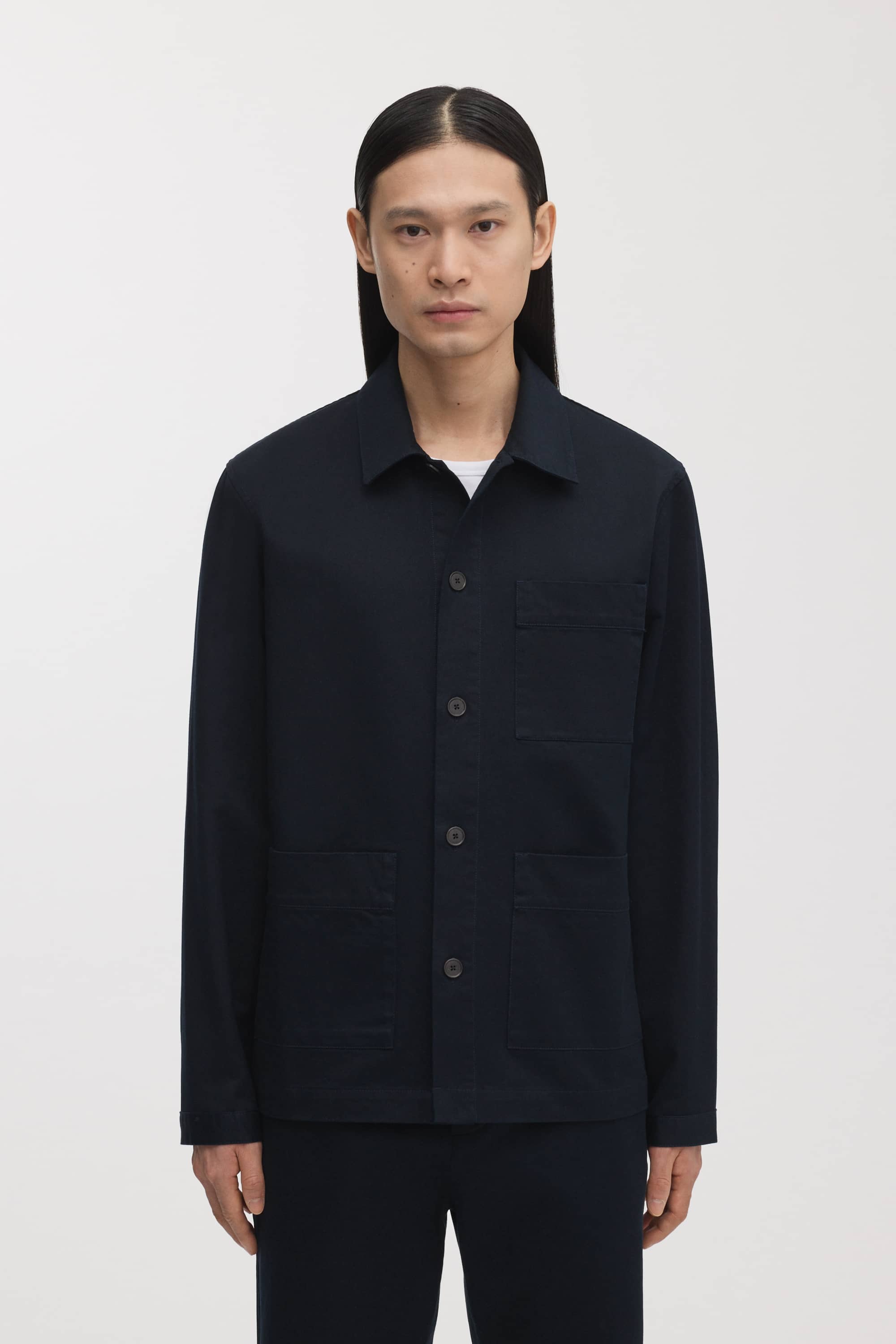
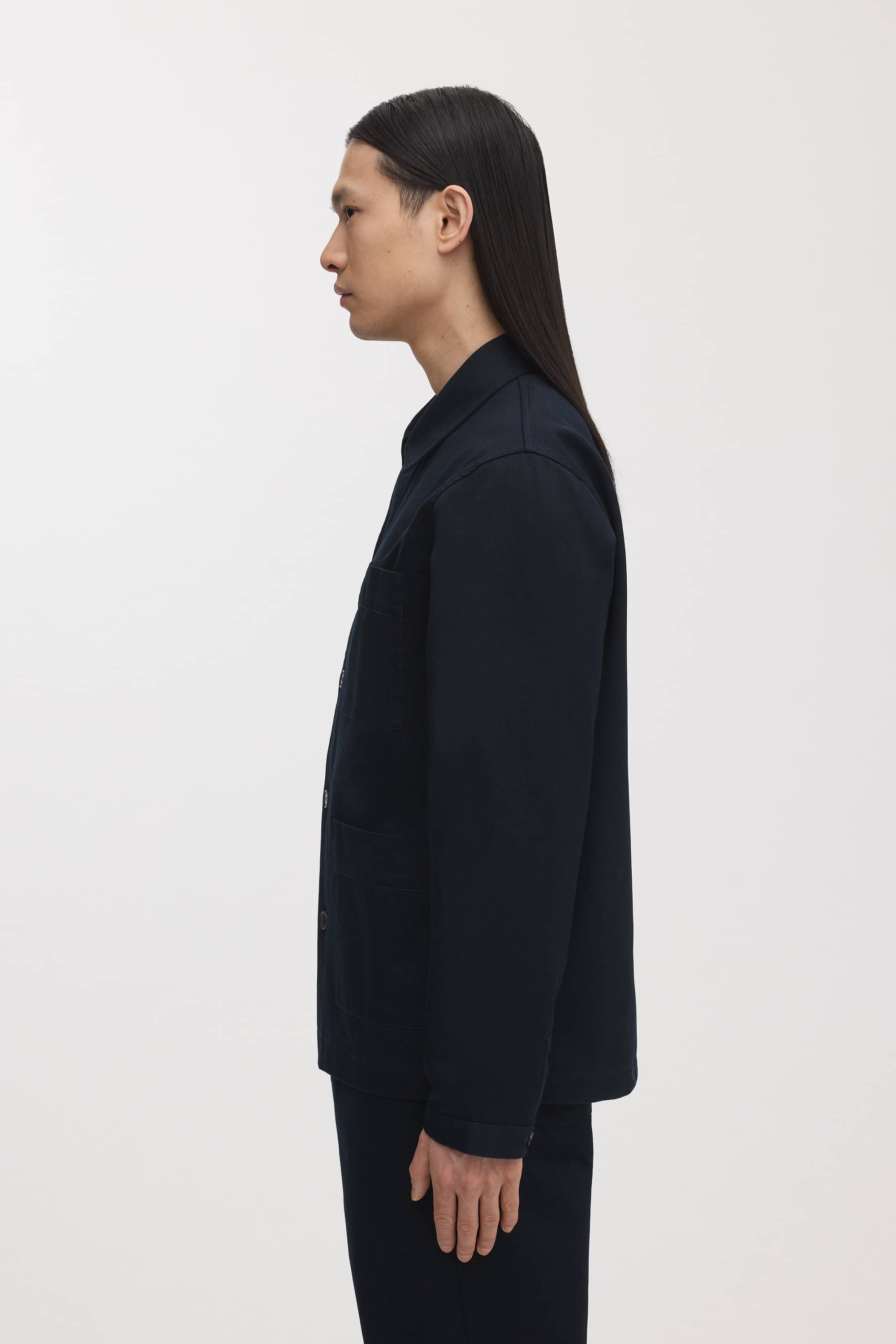
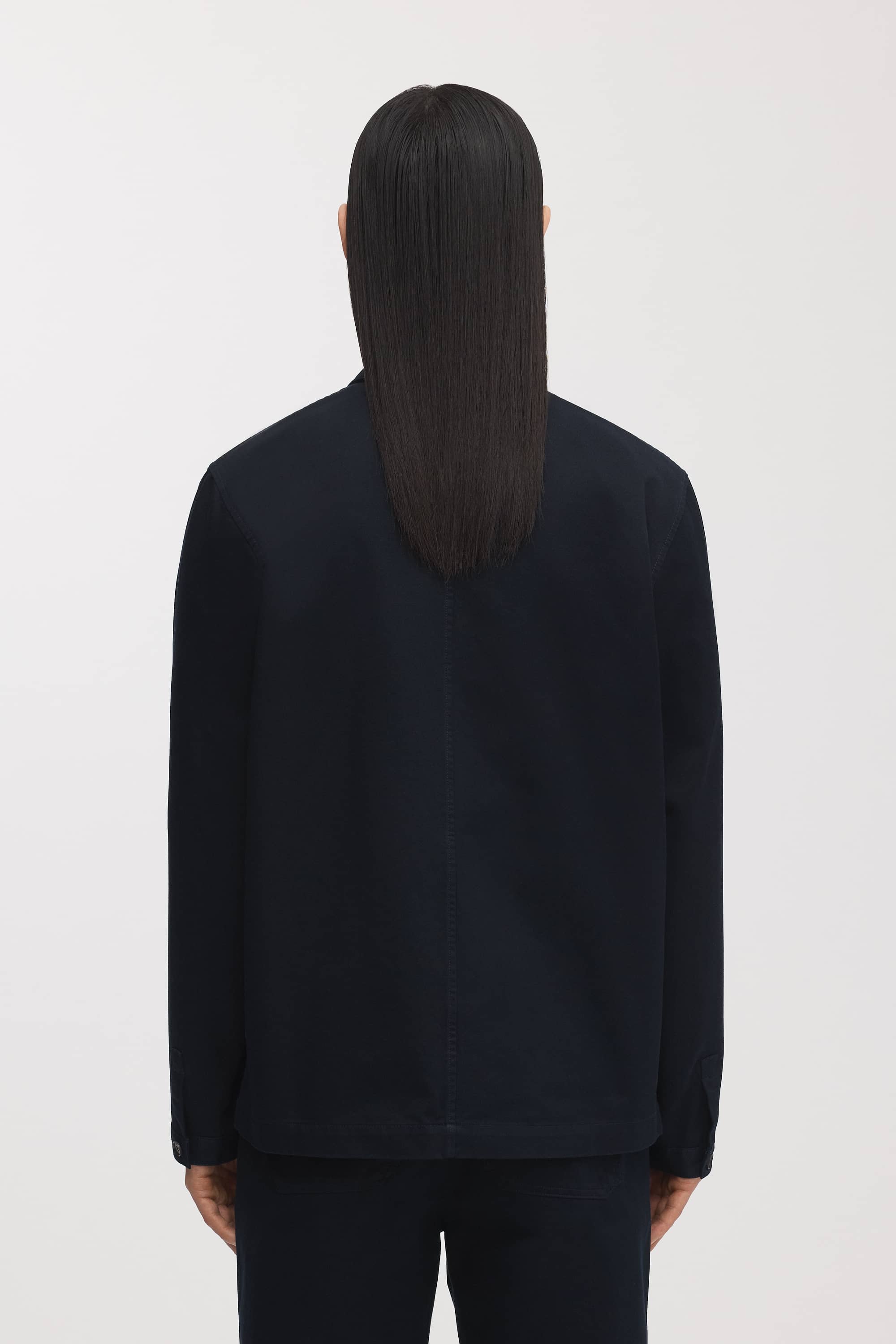
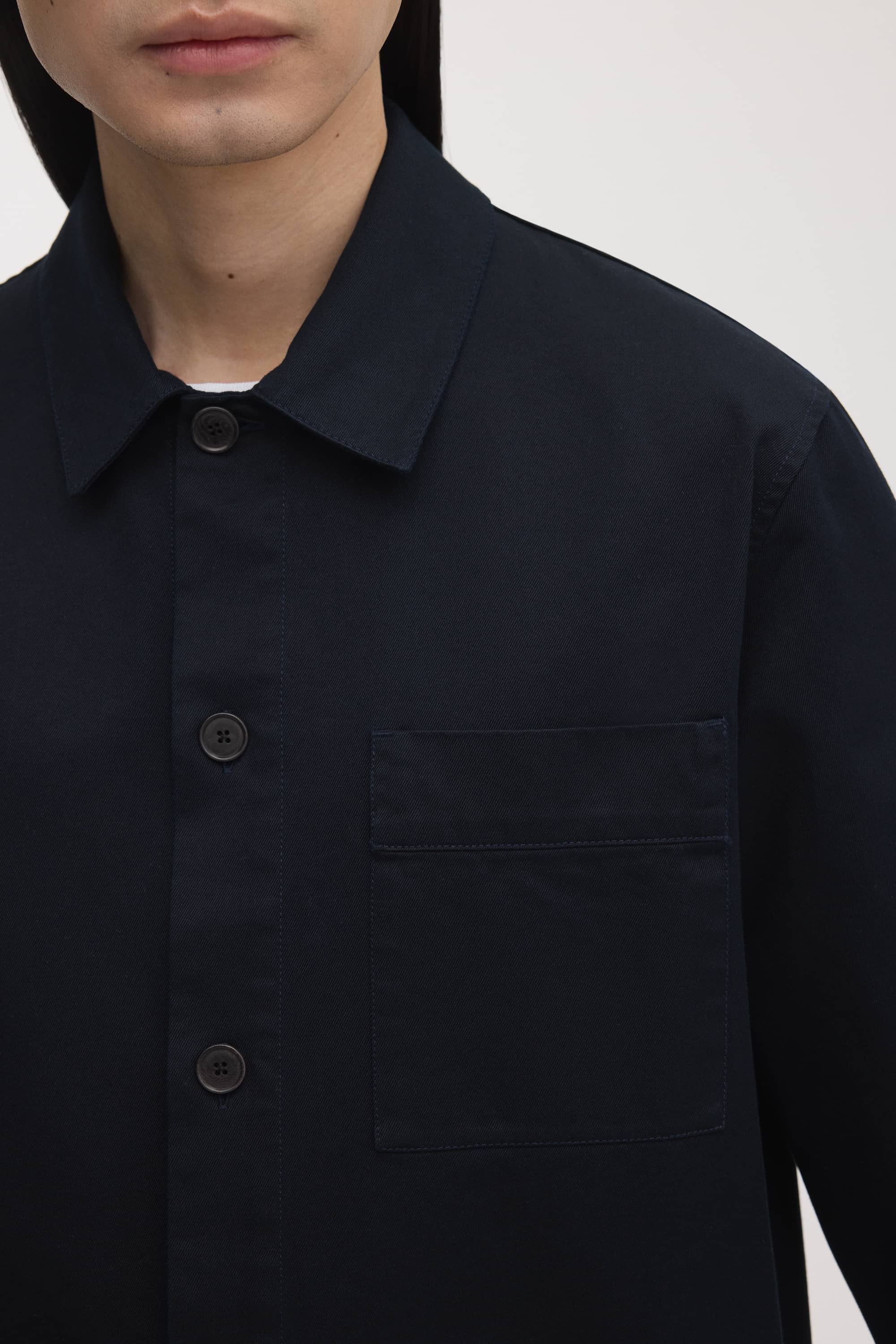
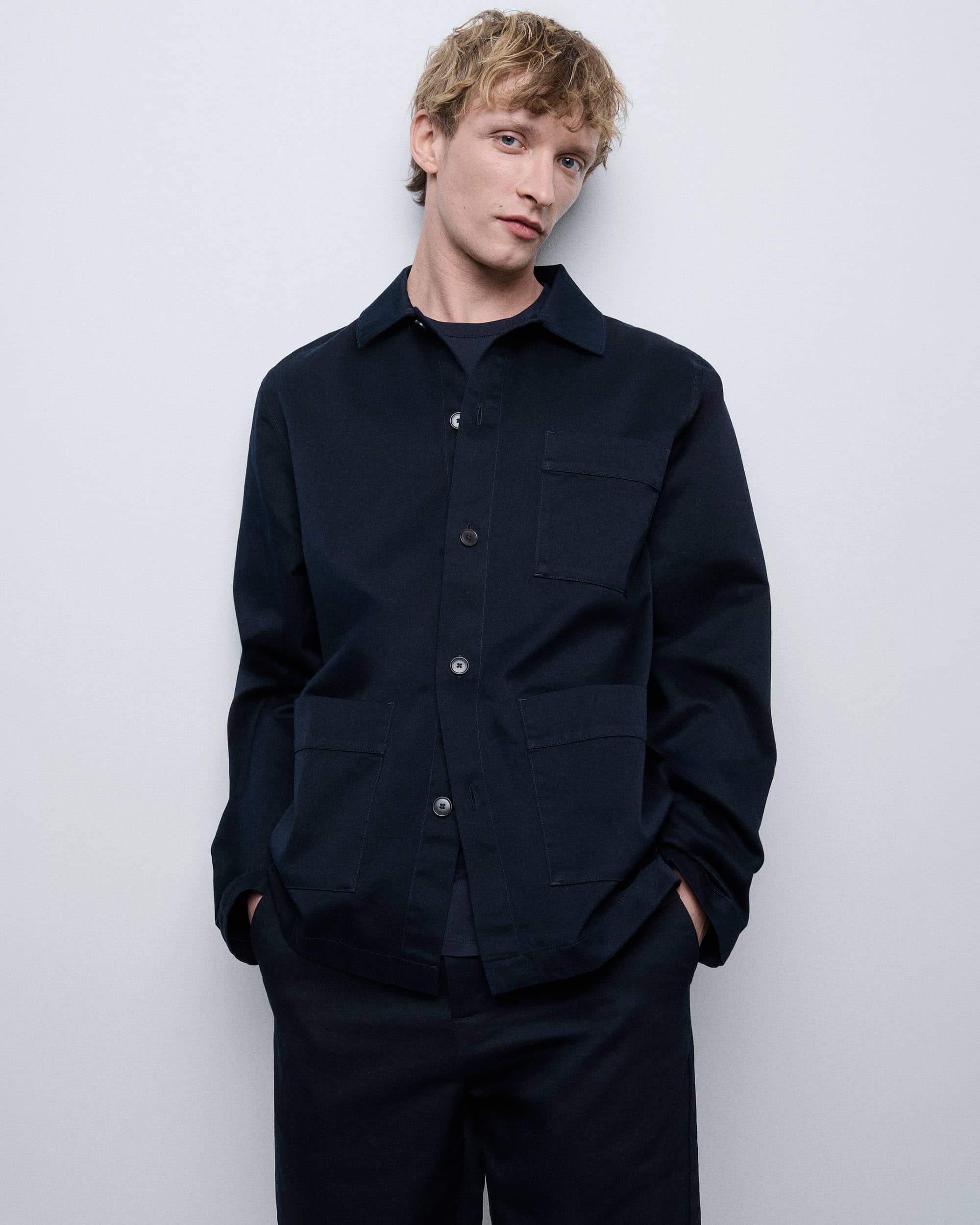
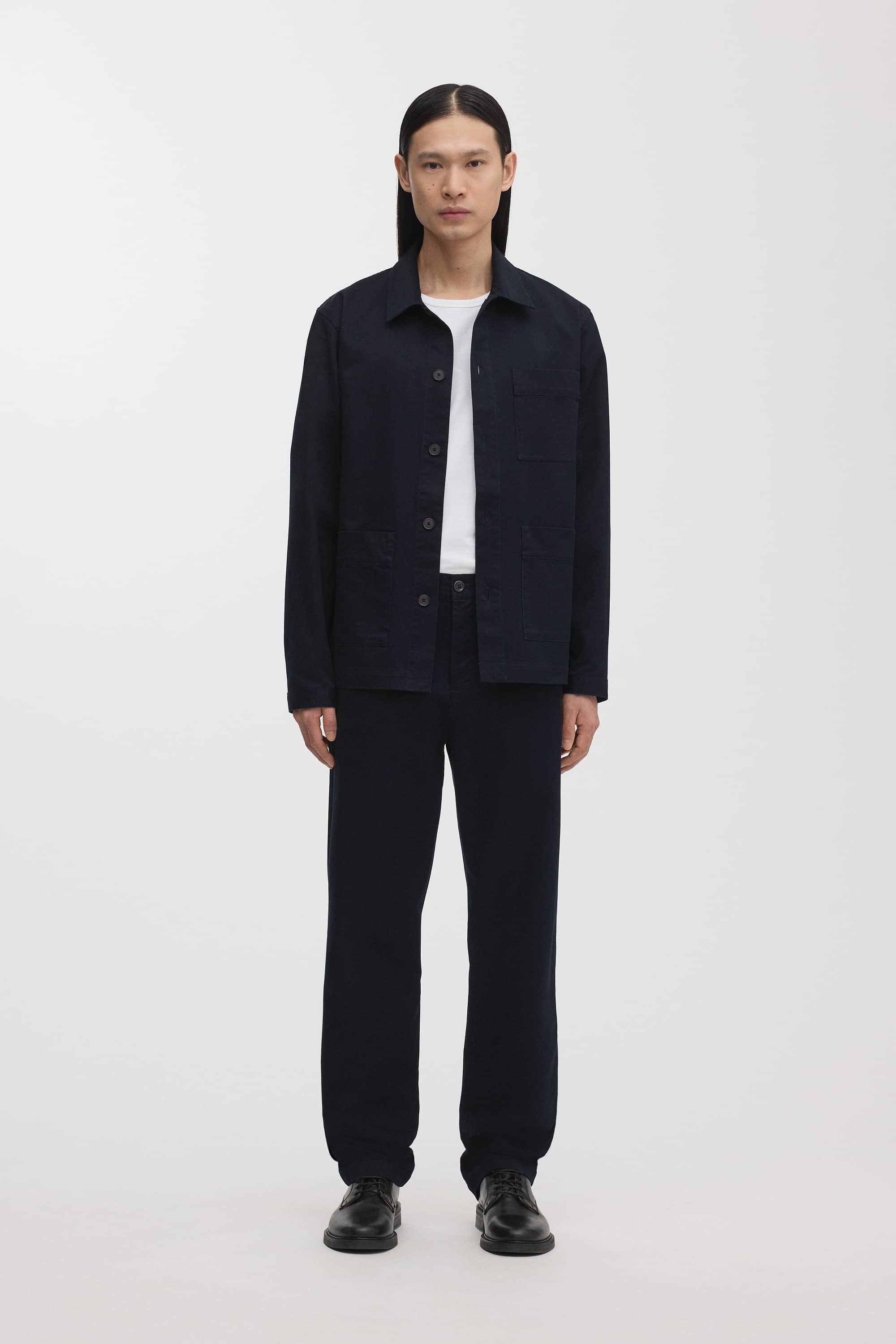
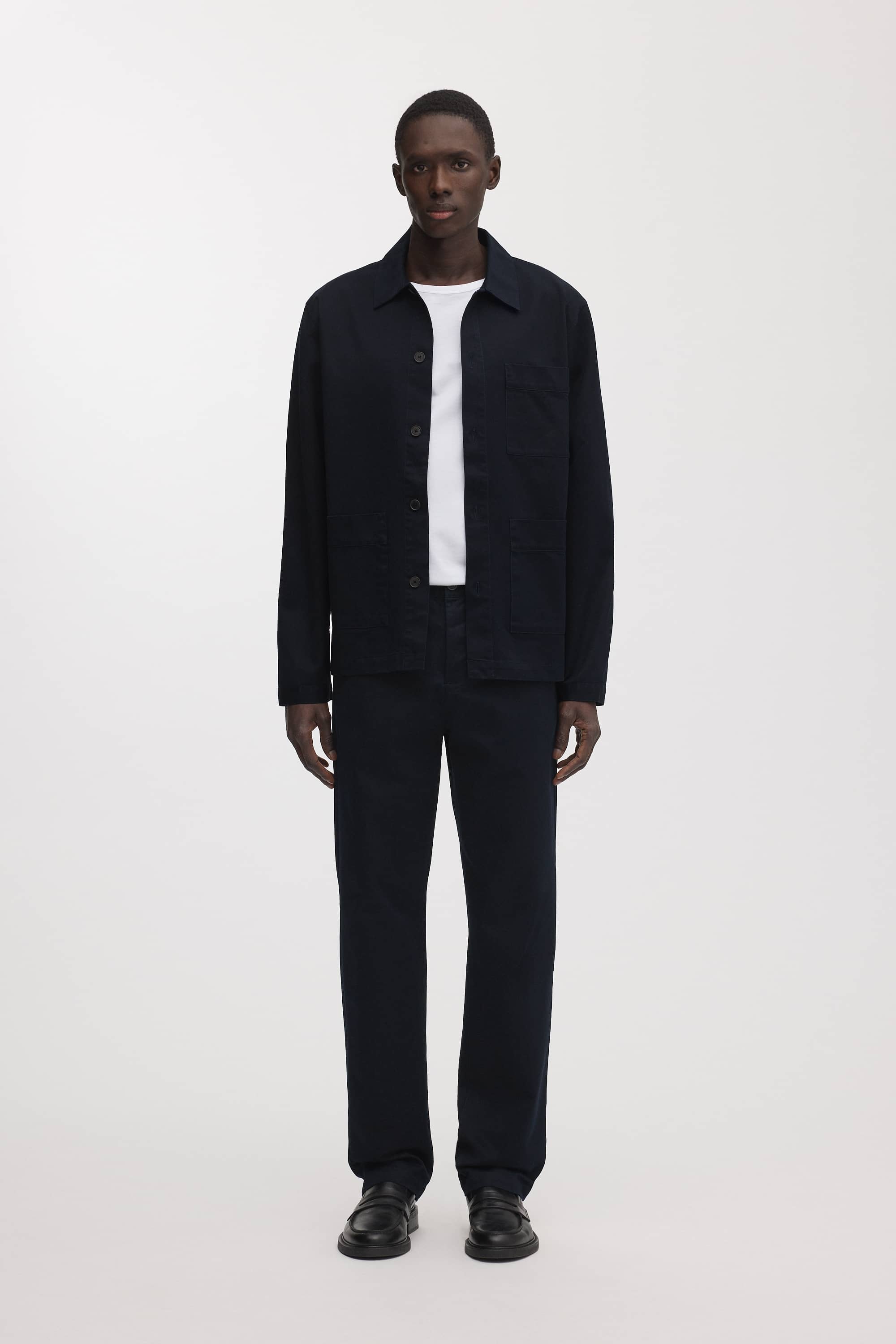
Originally worn as a protective layer in manual labor, the overshirt sits between shirt and jacket. Resisting it as a trend taught us the value of patience in design decisions. It's the transitional piece — a versatile layer that adds structure without formality.
Release year
2020
Current version
2.1
Version remarks
Aligned fabric with the twill chino in 2024, minor fit tweaks over time
Garment archetype
Workwear overshirt / utility shirt, early 20th century
Fabric/Mill
Warp: Ne 40/2 Weft: 20/2 3/1 Twill weave/Tessuti Italiani (TBM), IT
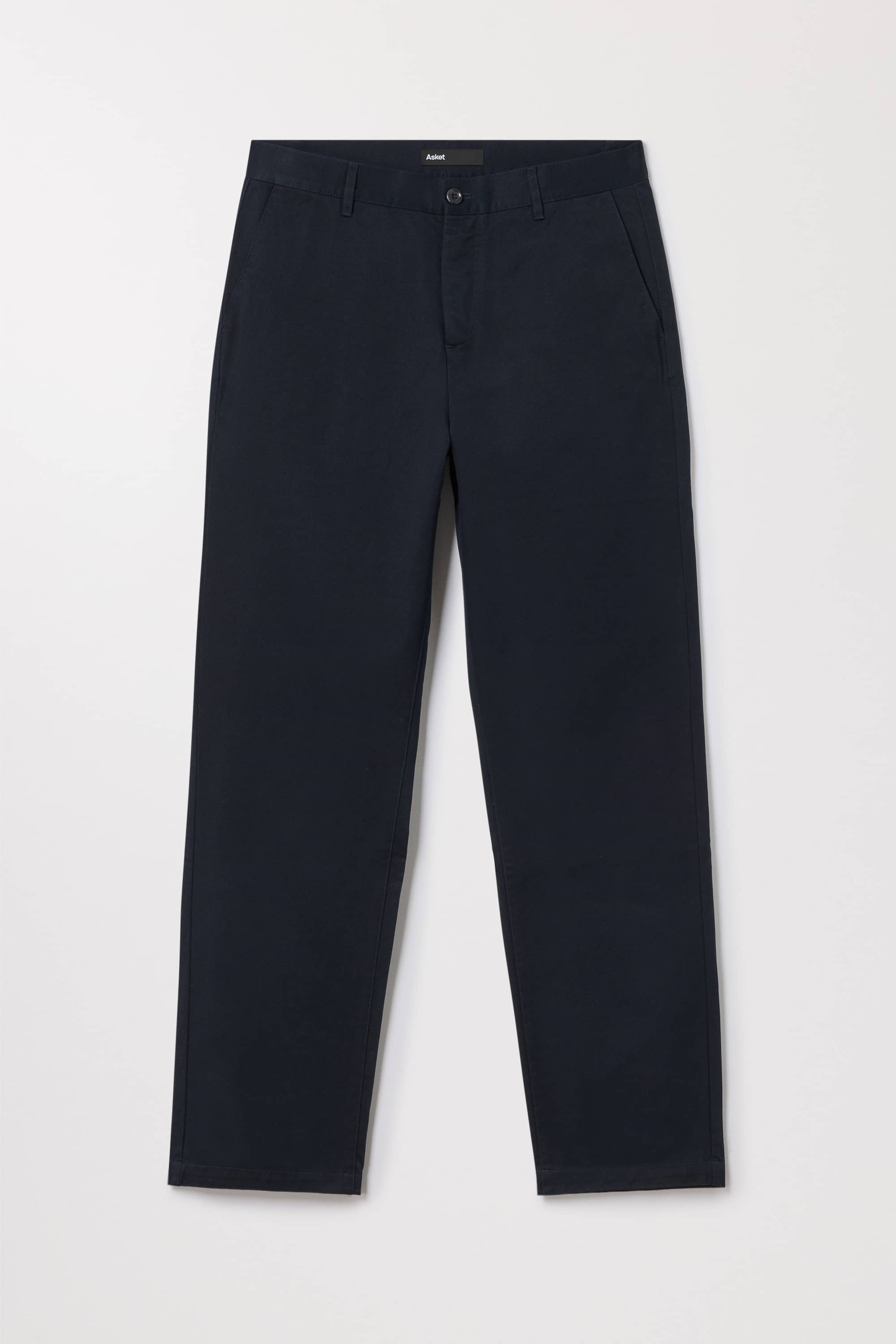
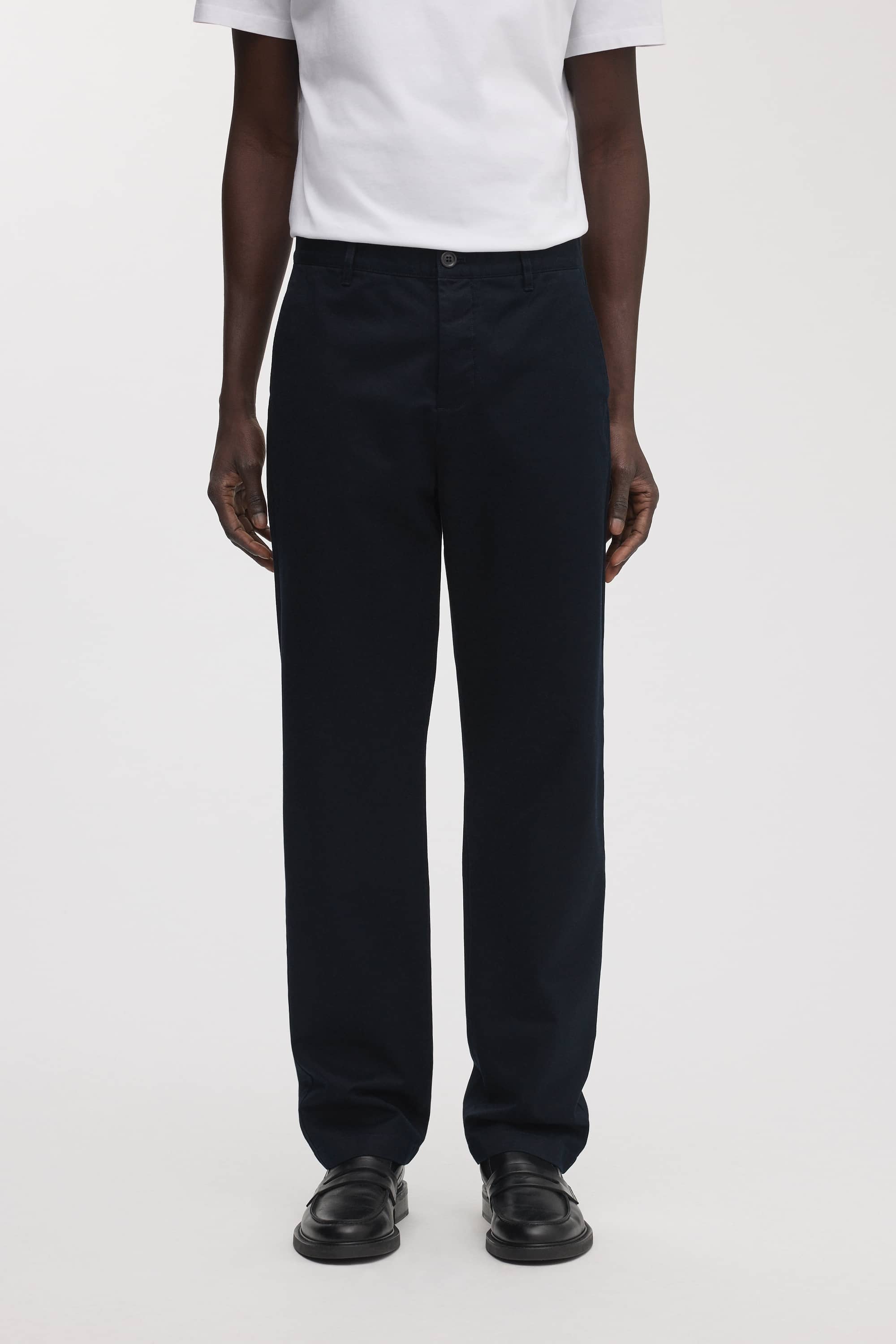
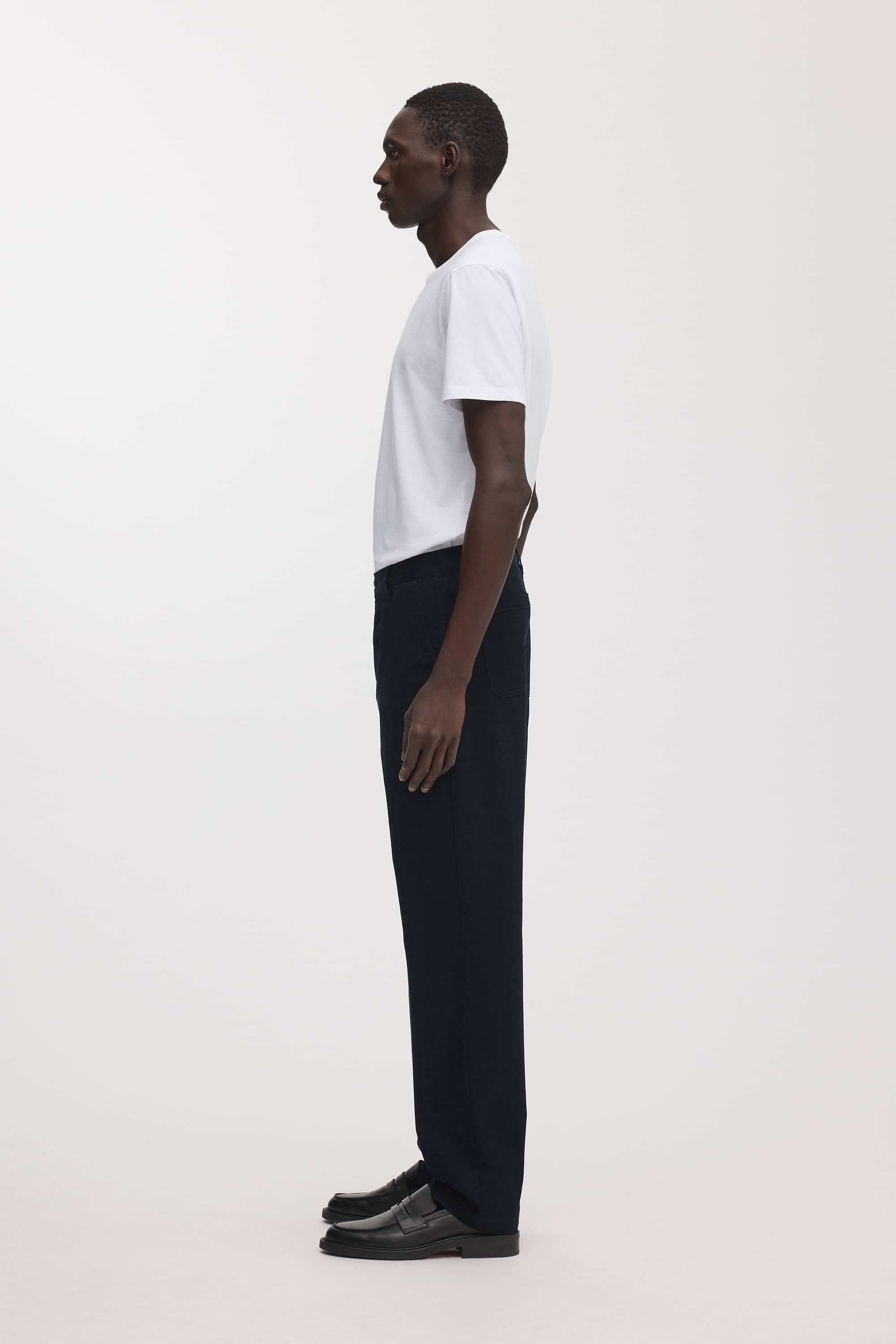
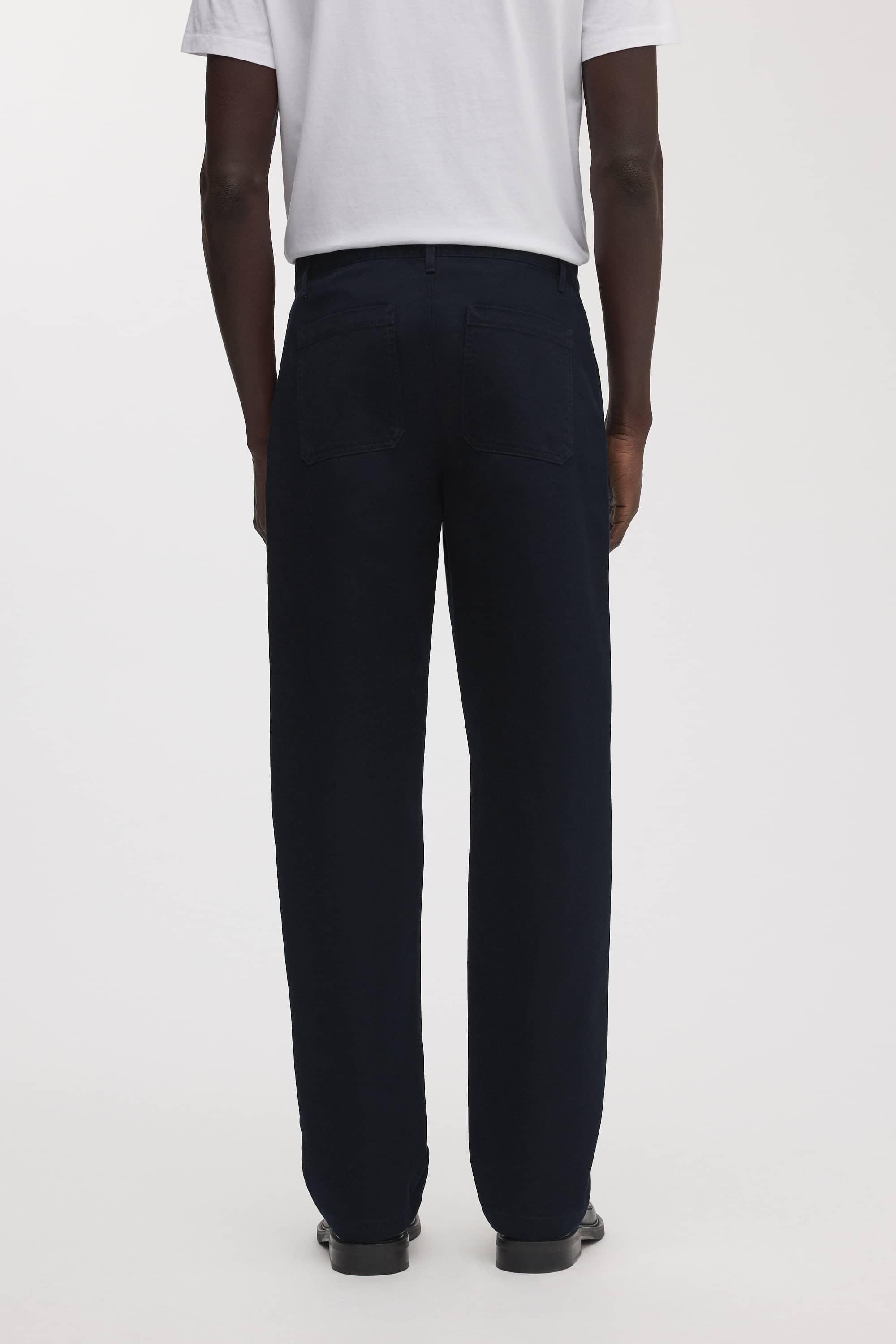
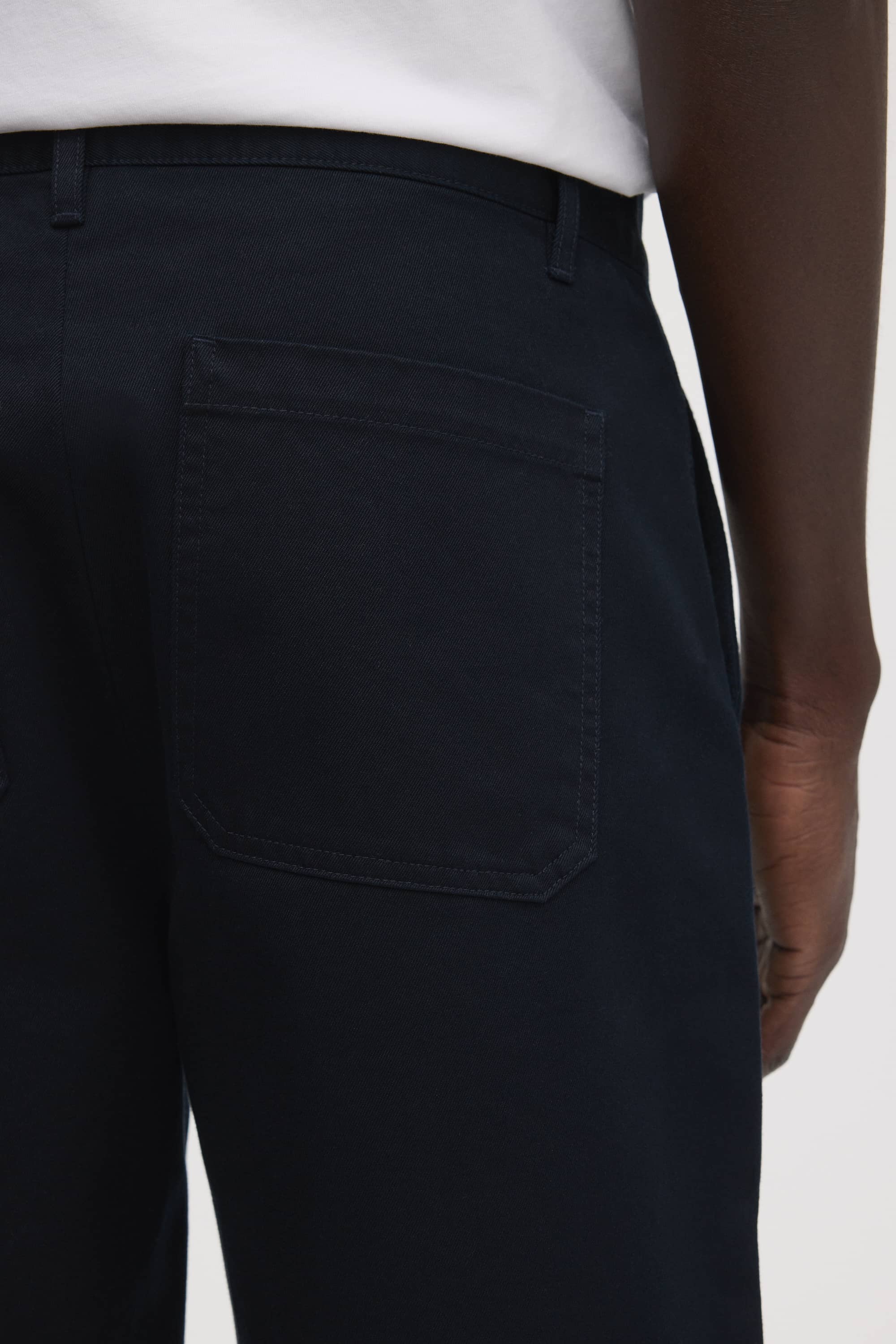
Workwear uniforms demanded toughness before comfort. Reworking the twill chino in 2024 taught us how fit and fabric can evolve without losing integrity. In your wardrobe, it serves casual elegance: a structured fabric, detailing hinting at its laborious origins, and a silhouette that works with almost anything.
Release year
2019
Current version
2.0
Version remarks
Refined fabric and two new fits in 2024
Available fits
Regular, loose
Garment archetype
Industrial workwear trousers, early to mid-20th century
Fabric/Mill
Warp: Ne 40/2 Weft: 20/2 3/1 Twill weave/Tessuti Italiani (TBM), IT